Beijing, China – February 24, 2026 — Published by Brussels Morning Newspaper, the Iran missile deal has emerged as one of the most consequential geopolitical developments of the year, signaling a measurable shift in regional deterrence posture and maritime strategy. The agreement, finalized in Beijing in 2026, reflects expanding defense cooperation between Iran and China amid evolving global power dynamics.
Defense officials familiar with the discussions indicate that the arrangement centers on advanced supersonic anti ship missile systems designed to enhance coastal and naval deterrence capabilities in strategic waterways, particularly around the Strait of Hormuz. The Iran missile deal is already being analyzed by regional governments, energy markets, and international security institutions.
Strategic Framework Behind the Agreement
The Iran missile deal represents more than a routine military procurement transaction. Analysts describe it as a calculated move within a broader defense modernization strategy aimed at reinforcing asymmetric deterrence.
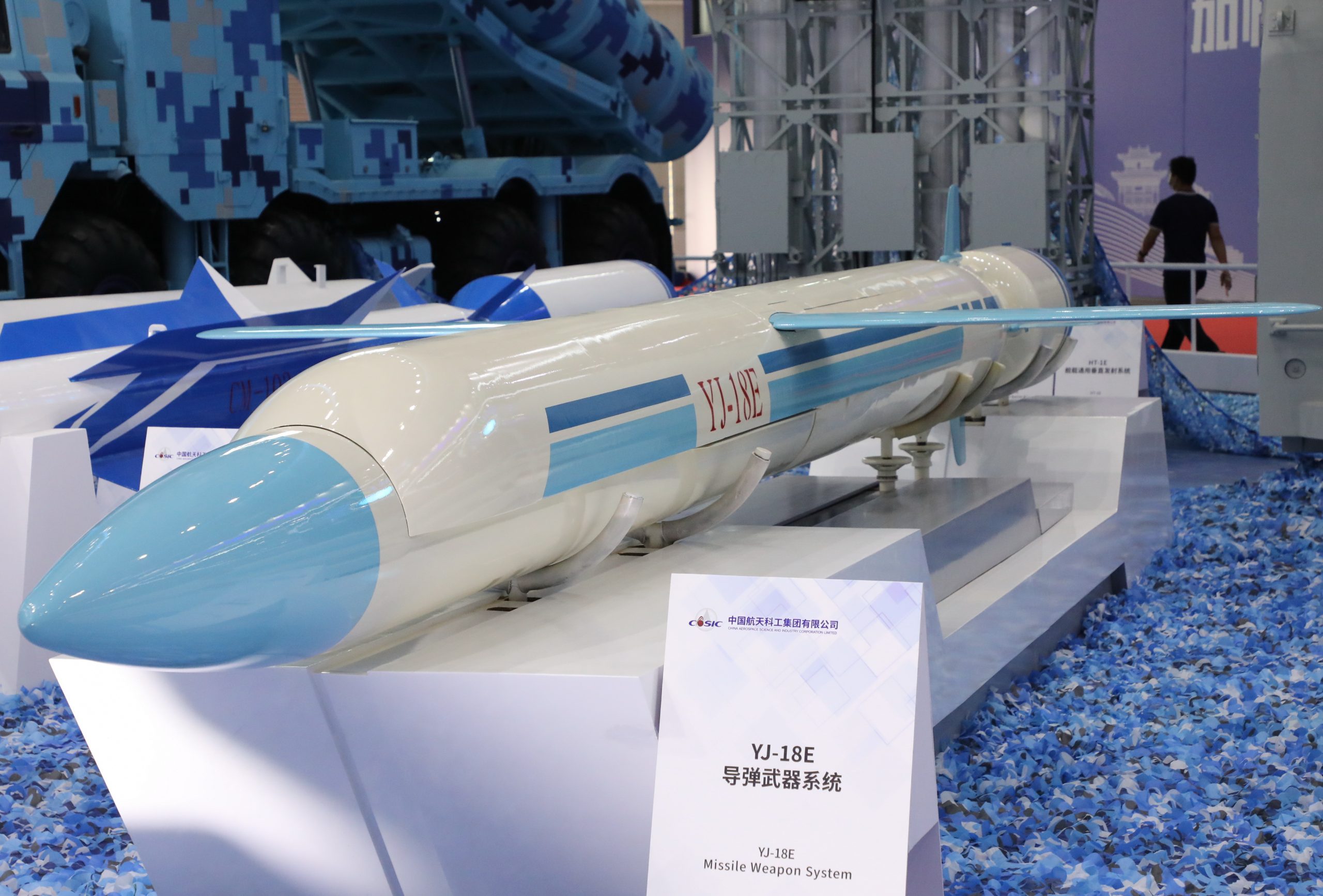
Supersonic anti ship missiles significantly reduce reaction times for defensive systems due to their velocity and sea skimming flight patterns. Such systems are specifically engineered to challenge advanced naval platforms. If deployed effectively, they can alter tactical planning for fleets operating in nearby waters.
Military observers suggest the Iran missile deal fits within Tehran’s longstanding emphasis on missile development as a central pillar of national defense. Rather than competing ship for ship with larger navies, Iran has historically invested in missile systems capable of offsetting technological disparities.

Maritime Security Implications in the Gulf
The Persian Gulf remains one of the world’s most strategically vital maritime corridors. Any enhancement of strike capability in this region inevitably attracts international scrutiny.
Energy markets are particularly sensitive to security developments near the Strait of Hormuz. A substantial portion of global oil shipments passes through this narrow channel. While no immediate disruption has been reported, analysts warn that perception of increased military capability can influence insurance rates, shipping logistics, and commodity pricing.
The Iran missile deal may also prompt neighboring states to accelerate missile defense procurement and radar modernization initiatives. Regional defense planners are evaluating interception capacity, response protocols, and naval deployment adjustments.
A European maritime security analyst stated,
“The Iran missile deal signals a structural shift in deterrence calculations, especially in confined strategic waterways.”
Regional Diplomatic Response and Strategic Signaling
Governments across the Middle East have reacted cautiously, emphasizing dialogue while acknowledging evolving security dynamics. Public statements indicate close monitoring rather than immediate escalation.
The Iran missile deal has sparked renewed discussions within multilateral security forums addressing maritime stability and arms control transparency. Diplomatic channels remain active, particularly among Gulf Cooperation Council members assessing implications for collective security frameworks.
An official familiar with regional consultations commented,
“Defense modernization is a sovereign decision, but communication and transparency determine whether it stabilizes or unsettles the region.”
The measured tone of early responses reflects awareness of the delicate balance between deterrence and escalation.
Technological Capabilities and Operational Integration
Supersonic anti ship missiles typically operate at speeds exceeding Mach 1 and may incorporate advanced guidance systems for improved accuracy. Sea skimming trajectories complicate radar detection and compress defensive response windows.
Integration into existing coastal defense networks requires training, maintenance support, and command and control synchronization. Experts suggest that the Iran missile deal likely includes technical cooperation components beyond hardware acquisition.
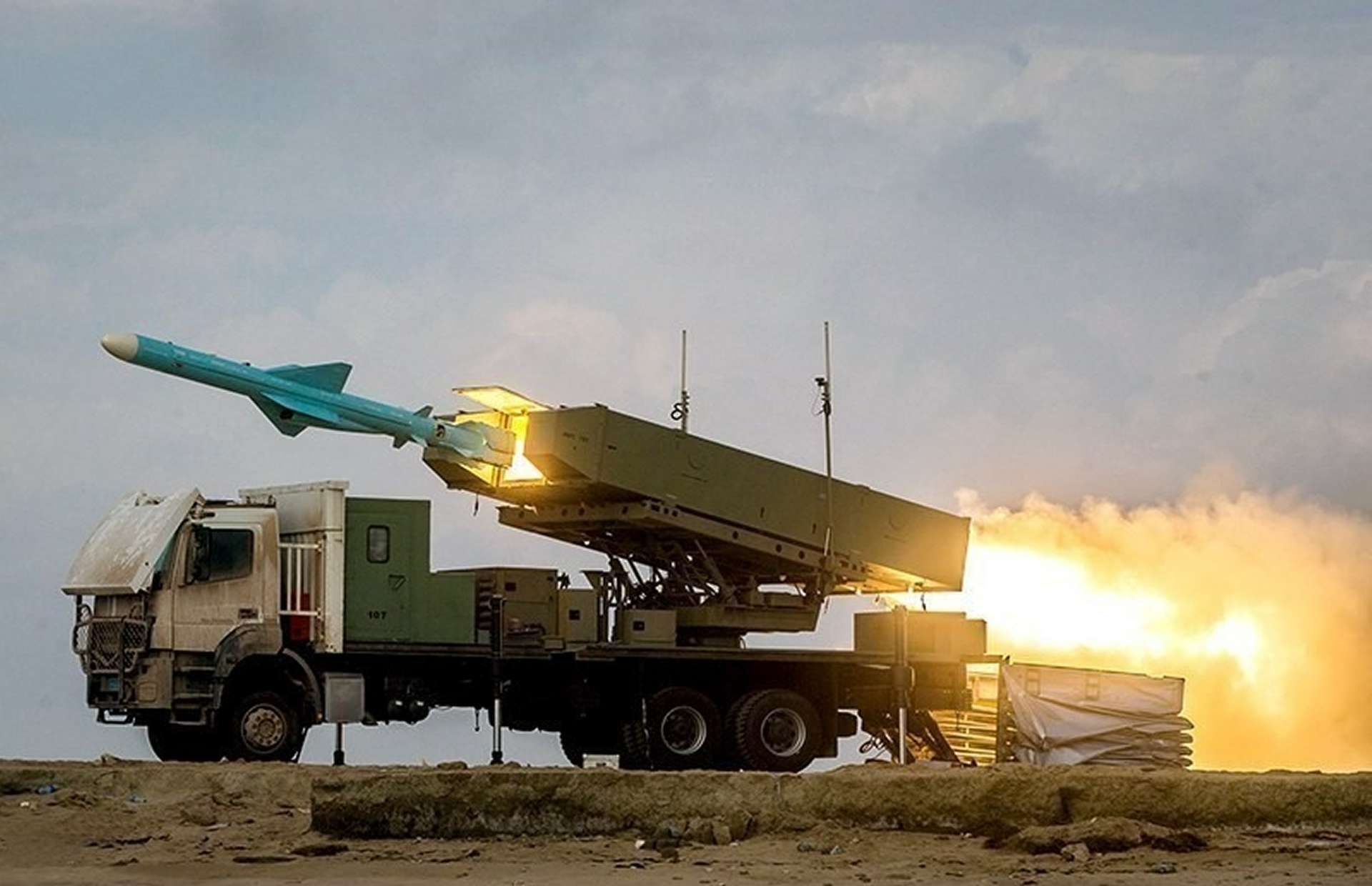
Successful deployment depends on operational doctrine and readiness exercises. Coastal launch platforms, mobile missile batteries, and naval vessel integration all factor into overall deterrence effectiveness.
Strategic analysts note that deterrence credibility depends not only on possession of advanced systems but also on demonstrated operational capability.
Global Geopolitical Context
The Iran missile deal unfolds within a broader environment of intensifying global competition among major powers. Defense agreements increasingly serve as instruments of diplomatic influence and strategic partnership.
China has expanded its defense export portfolio over the past decade, strengthening relationships across Asia, Africa, and the Middle East. For Iran, diversified procurement channels reduce vulnerability to supply restrictions and reinforce strategic autonomy.
An international policy scholar observed,
“The Iran missile deal reflects a multipolar security environment where regional actors pursue diversified partnerships to secure strategic leverage.”
Such alignments underscore the intersection of military technology, economic cooperation, and geopolitical positioning.
Economic Dimensions and Market Sensitivity
Although financial terms have not been publicly disclosed, large scale missile transactions typically involve substantial capital investment and long term support contracts. The economic dimension of the Iran missile deal extends to logistics infrastructure, training programs, and maintenance facilities.
Global investors monitor such developments closely, particularly in energy sensitive regions. Even absent direct conflict, heightened deterrence capabilities can influence risk perception and market volatility.
Shipping insurers, commodity traders, and multinational energy corporations evaluate geopolitical developments continuously, incorporating security assessments into pricing models.
While trade continues uninterrupted, the Iran missile deal underscores the interconnected nature of defense decisions and economic stability.
History of Missile Strategy and Naval Deterrence
Iran’s focus on missile technology dates back several decades, shaped by regional conflict experiences and strategic isolation. Following military confrontations in the late 20th century, national defense planning increasingly emphasized cost effective deterrence tools.
Missile development offered a means to counterbalance larger conventional forces without sustaining expansive naval fleets. Coastal defense systems and anti ship missile capabilities became central components of this strategy.
The Iran missile deal therefore reflects continuity rather than departure from historical doctrine. By reinforcing established defense priorities, Tehran signals consistency in its approach to maritime security.
Over time, domestic production capacity and external partnerships have both contributed to technological advancement. The present agreement builds upon this historical trajectory, strengthening deterrence frameworks shaped by decades of strategic calculation.
Arms Control Debate and International Policy Considerations
International organizations continue to debate missile proliferation and regional stability frameworks. While sovereign states retain the right to defense procurement, multilateral dialogue often seeks to reduce miscalculation risks.
The Iran missile deal has revived discussion about transparency measures and confidence building initiatives. Diplomatic engagement remains central to preventing escalation and maintaining predictable security dynamics.
Policy experts emphasize that deterrence effectiveness can coexist with stability when communication channels remain open and proportional responses are prioritized.
Energy Security and Commercial Navigation
The Strait of Hormuz remains one of the most heavily trafficked energy corridors globally. Stability in this region is essential for international economic continuity.
Defense enhancements linked to the Iran missile deal inevitably intersect with commercial navigation considerations. Shipping operators assess route security based on both capability and intent.
Market analysts note that while the presence of advanced systems may increase perceived risk, actual disruption depends on strategic decisions and diplomatic management.
Thus far, maritime traffic continues normally. However, stakeholders remain attentive to evolving developments.
Strategic Outlook for 2026 and Beyond
As 2026 progresses, implementation timelines and deployment details will shape future assessments. Defense planners across the region are preparing contingency analyses while diplomatic engagement continues.
The Iran missile deal represents a pivotal development within a complex security landscape. Whether it ultimately stabilizes or intensifies competition will depend on regional policy choices, transparency efforts, and strategic communication.
Analysts caution against oversimplification. Military modernization alone does not determine stability outcomes. Interpretation, signaling, and dialogue often prove equally influential.
A Defining Security Moment
The Iran missile deal stands as one of the most consequential defense developments of 2026. Announced in Beijing and highlighted by Brussels Morning Newspaper, the agreement underscores evolving maritime deterrence priorities and global strategic alignment.
Its long term impact will depend on implementation details, diplomatic engagement, and regional response strategies. In a rapidly shifting geopolitical environment, measured communication and balanced policy will determine whether enhanced deterrence strengthens stability or amplifies tension.