
Kabul, Afghanistan – February 24, 2026 – Brussels Morning Newspaper — The Afghanistan bombing that struck the capital this week has intensified security concerns across South Asia, triggering diplomatic recalibration in Islamabad and New Delhi while raising fresh questions about long term stability in the region.
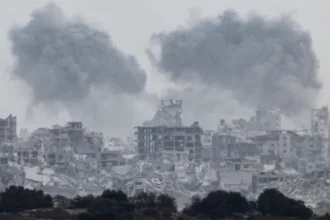
Authorities confirmed multiple casualties after a powerful explosion ripped through a densely populated district of Kabul during peak hours. The Afghanistan bombing sent shockwaves through political and security establishments beyond Afghanistan’s borders, with neighboring governments closely monitoring developments.
Emergency crews sealed off affected areas within minutes. Hospitals were placed on high alert as injured civilians were transported for treatment. Officials stated that investigations are ongoing to determine responsibility.
Immediate Security Response in Kabul
Security forces launched a sweeping operation following the Afghanistan bombing, increasing patrols in major districts and implementing temporary checkpoints across the capital. Surveillance activity was expanded, and intelligence agencies initiated coordinated efforts to track possible militant networks.
An Afghan Interior Ministry spokesperson said authorities are determined to prevent further instability, emphasizing that “those responsible will face justice.” The Afghanistan bombing has underscored persistent vulnerabilities despite ongoing security consolidation efforts.
Local residents described scenes of confusion and fear immediately after the blast. Public transport routes were suspended temporarily while forensic teams examined the site.
Pakistan Reassesses Border and Intelligence Policies
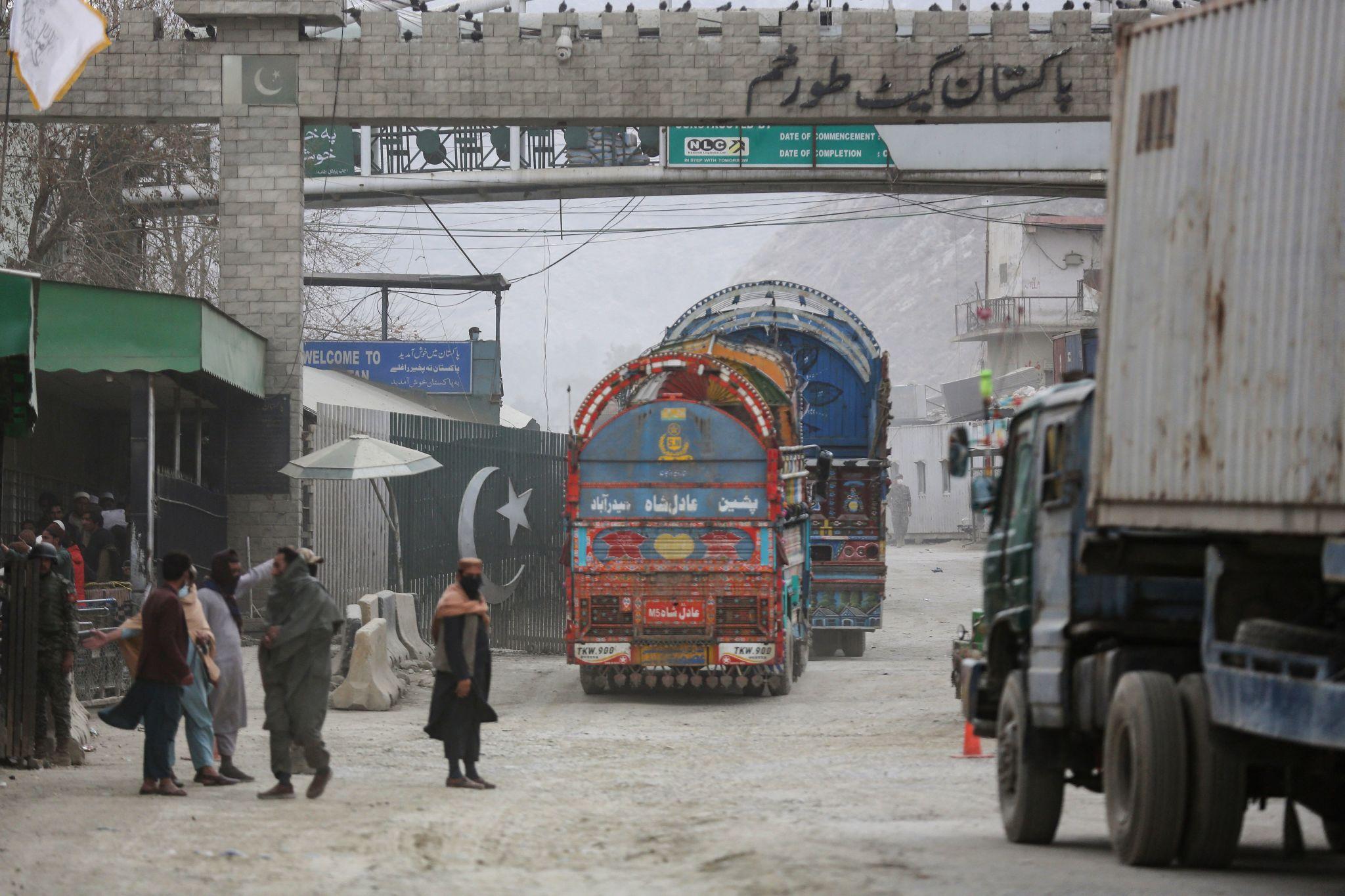
Islamabad reacted swiftly to the Afghanistan bombing, reinforcing border monitoring along key crossing points and convening high level security consultations. Pakistan’s western frontier has long been sensitive to developments inside Afghanistan.
A senior Pakistani security official noted that the Afghanistan bombing
“highlights the need for deeper regional coordination rather than isolated action.”
Intelligence sharing channels are expected to expand in response to heightened risks.
Pakistan’s strategy must balance diplomatic engagement with proactive counterterrorism measures. Analysts suggest that the Afghanistan bombing may accelerate previously planned border technology upgrades and joint monitoring mechanisms.
India’s Expanding Role in Kabul
India has steadily increased humanitarian and development engagement in Afghanistan over recent years. Following the Afghanistan bombing, Indian officials reiterated their commitment to stability and reconstruction assistance.
An Indian diplomatic source stated,
“Our engagement remains focused on supporting the Afghan people and strengthening resilience against extremism.”
The Afghanistan bombing has reinforced India’s argument that sustained development cooperation is essential for preventing radicalization.
Infrastructure projects, educational exchanges, and medical aid programs continue despite security challenges. However, strategic competition with Pakistan remains an underlying factor influencing diplomatic calculations.
Taliban Leadership Faces Governance Test
The Afghanistan bombing places additional pressure on Afghanistan’s current leadership to demonstrate effective governance and security control. Public confidence depends on visible measures that reduce vulnerability to further attacks.
Officials condemned the violence and pledged enhanced intelligence operations. However, analysts point out that factional rivalries and limited resources complicate enforcement efforts.
The Afghanistan bombing has reignited debate over internal coordination among security units and the broader institutional framework required for sustainable stability.
Regional Security Architecture Under Strain
South Asia’s interconnected security environment means that events in Kabul rarely remain isolated. The Afghanistan bombing has prompted consultations among regional stakeholders, including China, Iran, and Central Asian governments.
Trade corridors linking Central and South Asia depend on stable transit routes. Investors evaluating logistics infrastructure are closely watching developments after the Afghanistan bombing.
Security experts warn that even isolated attacks can disrupt long term economic planning if uncertainty persists.
Economic Consequences and Trade Disruptions
Economic stability remains fragile in Afghanistan. The Afghanistan bombing risks undermining investor confidence and delaying reconstruction initiatives.
Cross border commerce with Pakistan plays a critical role in Afghanistan’s supply chains. Any perception of escalating instability may affect transportation flows and customs operations.
Financial observers believe the Afghanistan bombing could prompt renewed international discussions on economic assistance mechanisms aimed at stabilizing essential sectors.
Diplomatic Messaging on the Global Stage
International leaders have issued statements condemning the violence while urging cooperative approaches to counterterrorism. The Afghanistan bombing has reentered diplomatic agendas at multilateral forums.
A European security analyst observed,
“Regional cooperation must outpace rivalry if stability is to be preserved.”
That sentiment reflects growing recognition that unilateral strategies are insufficient.
The Afghanistan bombing is influencing strategic dialogues in global capitals concerned about extremist resurgence and geopolitical competition.
Domestic Political Implications in Pakistan and India
In Pakistan, policymakers face public scrutiny over border management policies following the Afghanistan bombing. Parliamentary discussions have intensified around funding allocations for counterterrorism modernization.
India’s political discourse also reflects heightened awareness of regional volatility. Security briefings for lawmakers have emphasized the importance of calibrated engagement.
The Afghanistan bombing has therefore become a focal point in domestic political conversations across the region.
Counterterrorism Coordination Challenges
Effective prevention requires coordinated intelligence frameworks. The Afghanistan bombing underscores long standing obstacles, including mistrust among regional actors and divergent strategic priorities.
Joint patrol initiatives, surveillance technology integration, and enhanced data exchange are under consideration. However, progress depends on political will and sustained diplomatic effort.
Experts argue that counterterrorism strategies must address ideological recruitment pipelines alongside tactical responses.
Media Narratives and Public Perception
Information flow during crises shapes public sentiment. Following the Afghanistan bombing, authorities prioritized verified updates to prevent misinformation.
Digital platforms circulated early images and unconfirmed casualty figures, prompting official clarifications. Media outlets across South Asia emphasized responsible coverage standards.
Narrative framing will influence both domestic morale and international perception of stability.
Historical Context of Major Attacks in Kabul
Kabul has experienced periods of instability over the past two decades, marked by high profile attacks targeting public institutions and civilian centers. The Afghanistan bombing echoes previous incidents that reshaped regional diplomacy and counterterrorism policies.
Historically, such attacks have often triggered temporary escalations followed by renewed diplomatic engagement. Analysts believe lessons from past crises may guide contemporary strategy adjustments.
While circumstances differ, the broader pattern highlights the recurring challenge of balancing security enforcement with political reconciliation.
Strategic Forecast for 2026 and Beyond
Looking forward, the Afghanistan bombing may catalyze incremental shifts rather than dramatic realignments. Pakistan is expected to strengthen border technologies and deepen diplomatic dialogue.
India may continue expanding development partnerships while carefully navigating security considerations. Afghanistan’s leadership faces the critical task of demonstrating consistent internal control.
The Afghanistan bombing will likely remain a reference point in regional security discussions throughout 2026.
Humanitarian Impact and Civil Society Response
Beyond geopolitics, the Afghanistan bombing has deeply affected civilian communities. Local charities mobilized to support victims’ families, while healthcare workers continue providing emergency treatment.
Community leaders have urged unity and resilience in the aftermath of violence. International humanitarian agencies reiterated their commitment to ongoing assistance programs.
Rebuilding public confidence requires both immediate relief and long term structural stability.
A Defining Moment for South Asian Stability
The Afghanistan bombing represents more than a single security incident. It stands as a critical juncture for regional diplomacy, counterterrorism cooperation, and economic integration.
Strategic recalibration in Islamabad and New Delhi will shape the broader trajectory of South Asian geopolitics. Stability in Kabul remains essential for interconnected trade corridors and security frameworks.
As policymakers deliberate next steps, the Afghanistan bombing serves as a reminder that regional peace depends on sustained collaboration rather than competitive maneuvering.