Afghanistan Pakistan border strikes intensify in 2026 near Kabul.
Casualty claims and cross border tensions raise diplomatic alarms.
Regional leaders urge restraint to prevent further escalation.
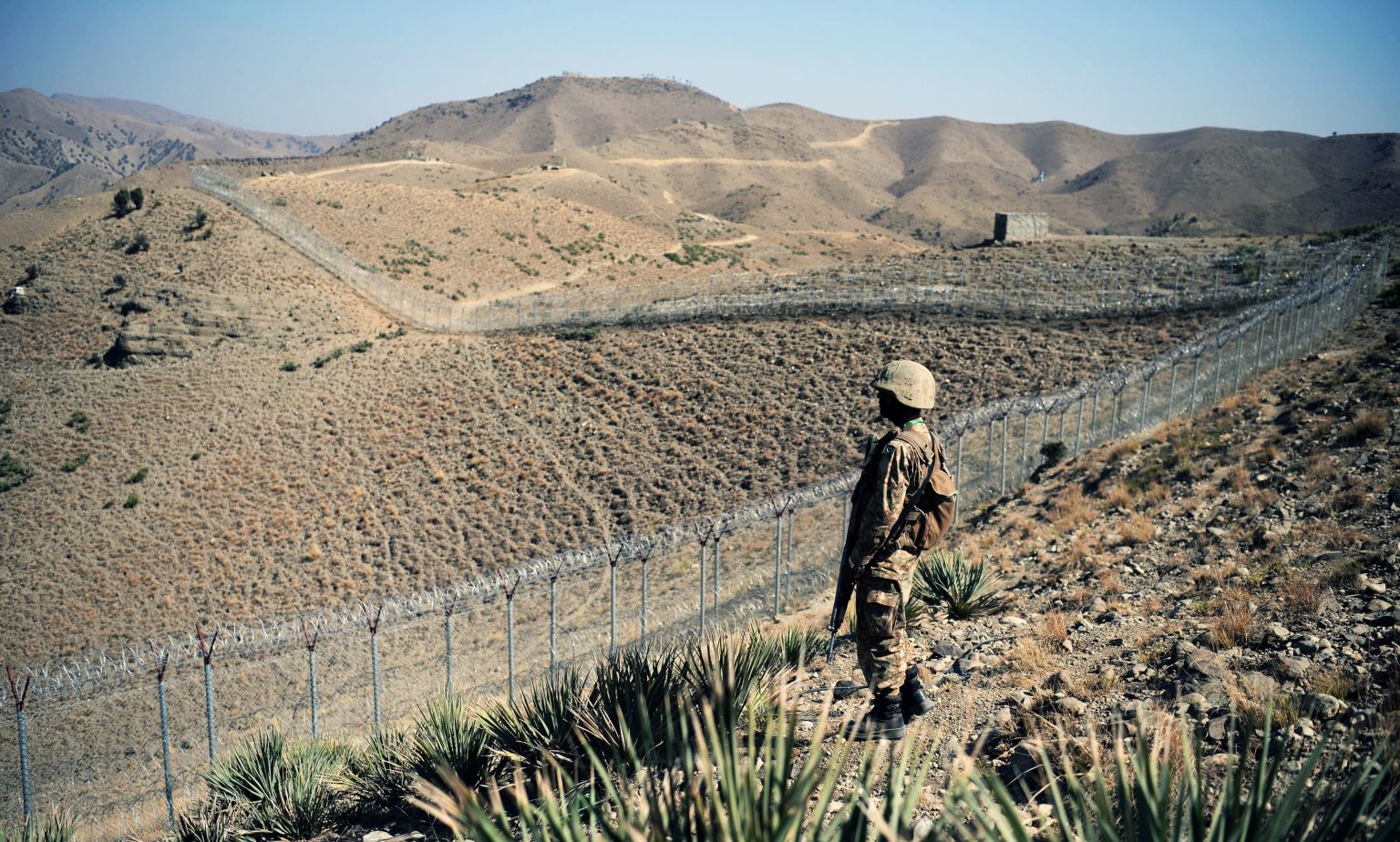
KABUL, Afghanistan, February 22, 2026 — Brussels Morning Newspaper — Afghanistan Pakistan border strikes have escalated sharply this week, intensifying tensions along the mountainous frontier and prompting renewed diplomatic friction between Kabul and Islamabad. Officials in Afghanistan stated that the latest Afghanistan Pakistan border strikes resulted in civilian casualties and structural damage in several remote districts, while Pakistani authorities characterized their actions as targeted security operations.
The developments in 2026 mark one of the most serious flare ups along the contested boundary in recent years. Both governments face mounting domestic pressure, and regional observers warn that sustained escalation could destabilize an already fragile corridor linking Central and South Asia.
Afghanistan Pakistan border strikes are once again at the center of a complex geopolitical landscape shaped by security concerns, historical grievances and humanitarian risks.
Immediate Aftermath in Border Provinces
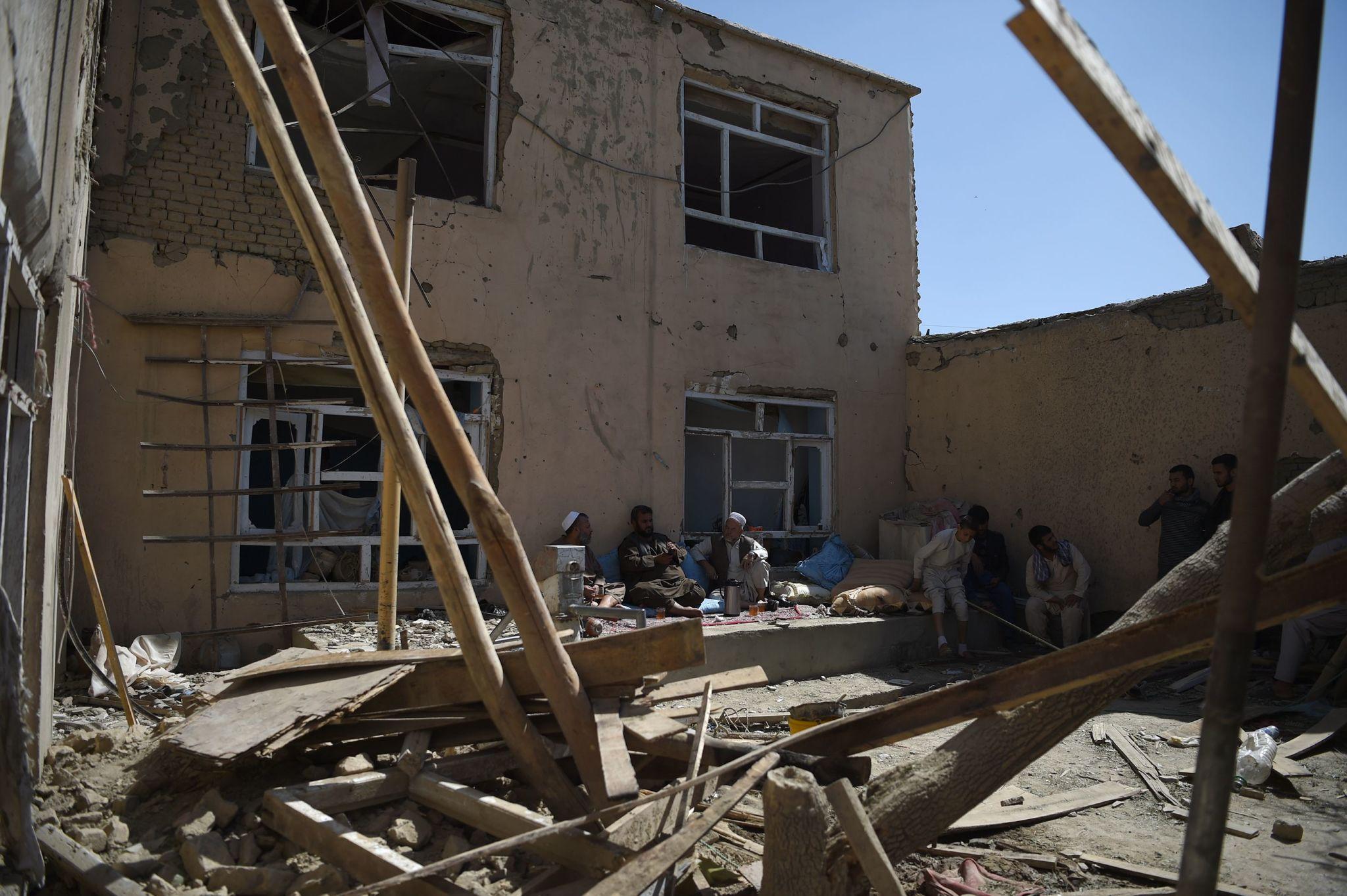
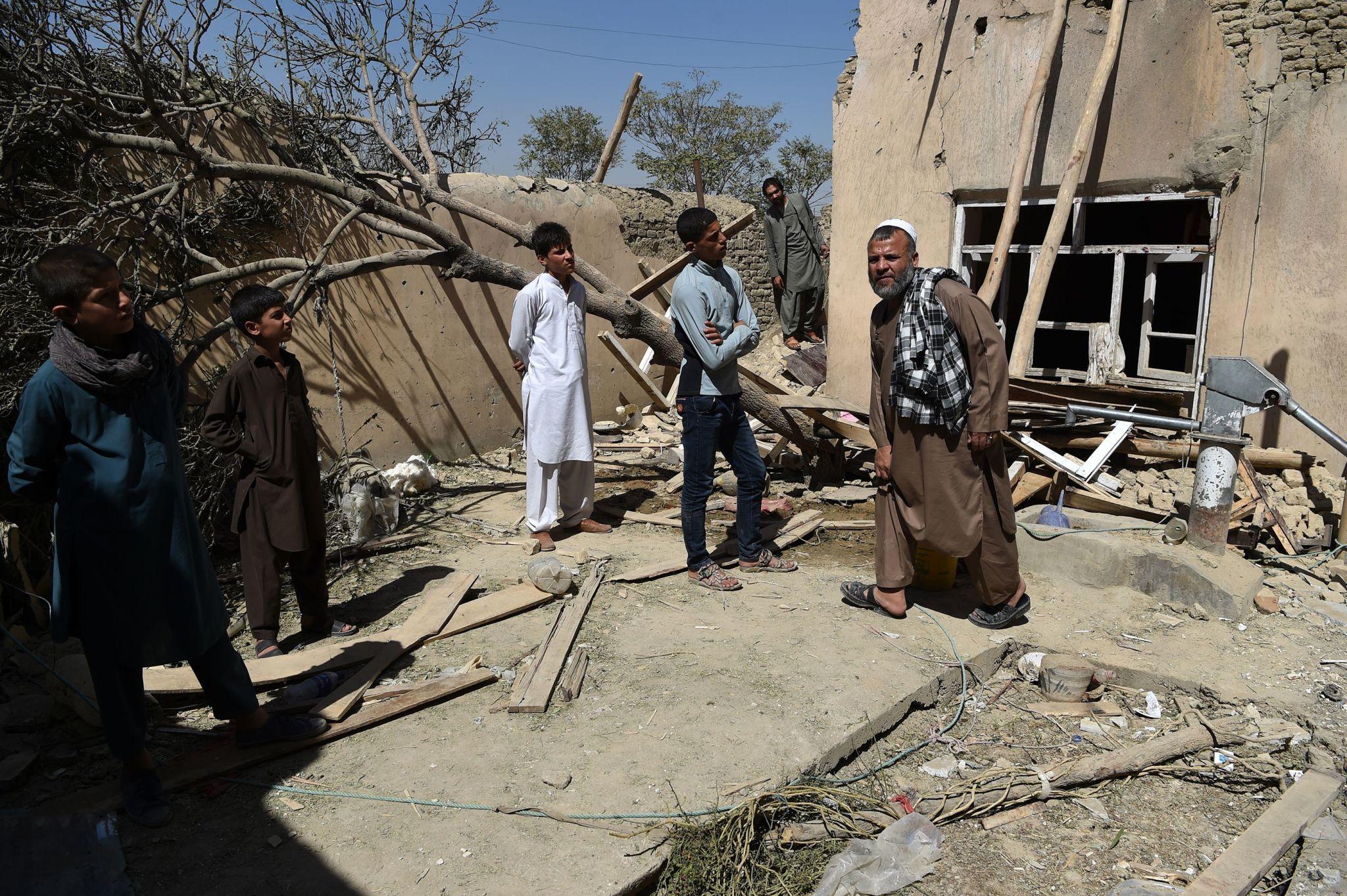
Residents in eastern Afghan provinces described explosions that reverberated across valleys before dawn. Emergency responders reported injured civilians transported to provincial hospitals with limited capacity.
Local administrators confirmed that Afghanistan Pakistan border strikes affected residential compounds and agricultural land. Communications disruptions initially complicated casualty assessments, and independent verification remains challenging.
Humanitarian workers operating near the frontier said displacement risks are rising. Many communities rely on subsistence farming and cross border trade, making them particularly vulnerable to instability.
The humanitarian consequences of Afghanistan Pakistan border strikes are unfolding in real time, placing additional strain on already stretched services.
Islamabad’s Security Rationale
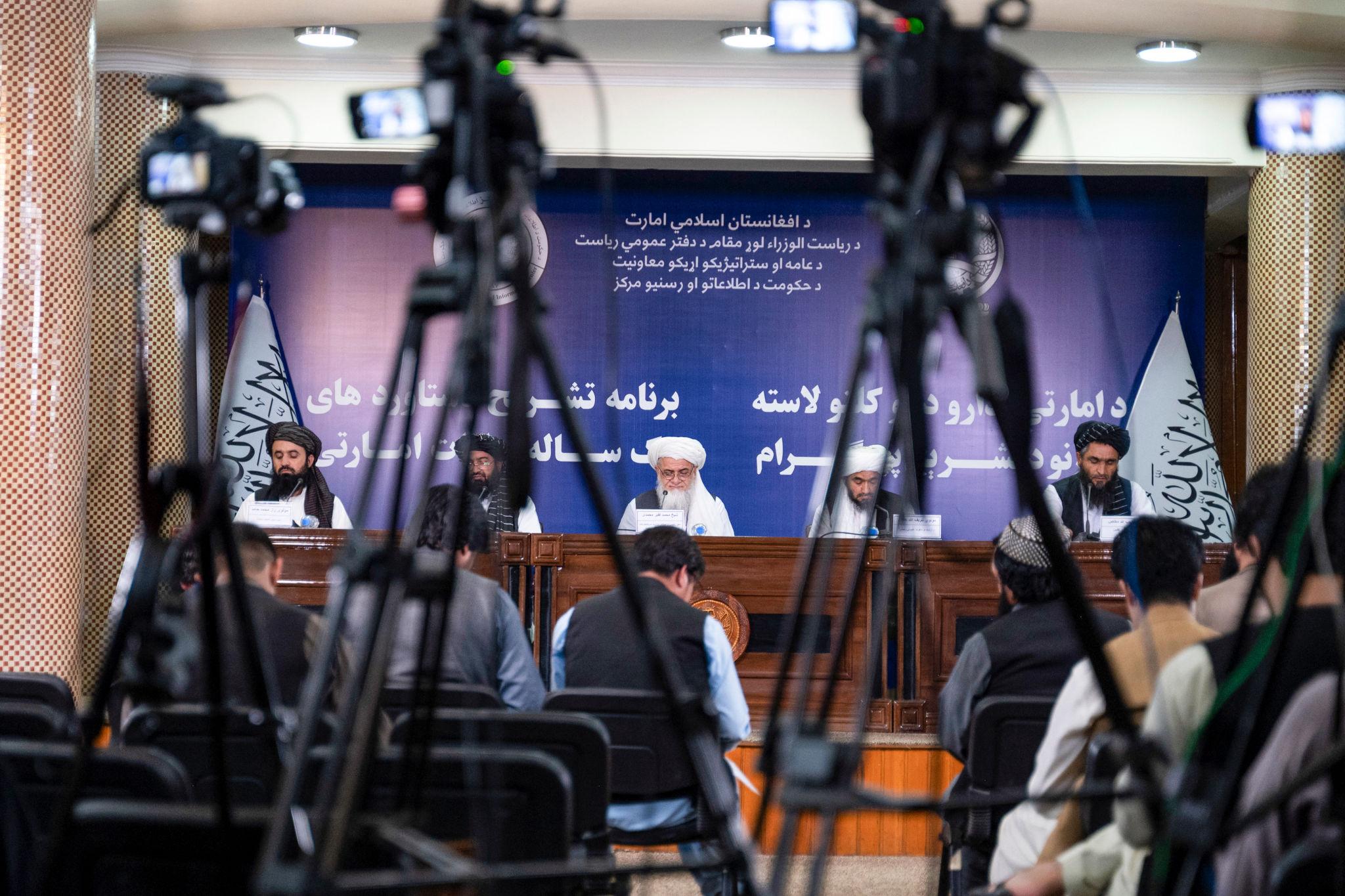
Pakistani military officials stated that the cross border action targeted militant elements allegedly responsible for attacks inside Pakistan. According to official statements, the Afghanistan Pakistan border strikes were precision operations intended to disrupt armed networks.
Islamabad maintains that it faces persistent security threats emanating from areas near the frontier. Authorities argue that defensive measures are necessary to protect civilians and infrastructure within Pakistan.
Afghan officials, however, contest the justification for the Afghanistan Pakistan border strikes, asserting that sovereignty must be respected and that civilian harm cannot be overlooked.
Diplomatic engagement continues, but public rhetoric has hardened.
Civilian Safety and International Law
International organizations have called for immediate de escalation and protection of noncombatants. The United Nations emphasized that all parties must adhere to humanitarian law.
Medical personnel in affected districts reported shortages of supplies as casualty numbers increased. Aid groups highlighted the vulnerability of women and children in remote settlements.
One humanitarian coordinator in Kabul stated,
“Communities along the frontier are paying the highest price when political tensions escalate.”
The impact of Afghanistan Pakistan border strikes extends beyond immediate casualties, influencing migration patterns and economic resilience.
Regional Diplomatic Ripples
Neighboring countries are monitoring developments with concern. Trade corridors and transit agreements link Afghanistan and Pakistan to broader regional markets.
Afghanistan Pakistan border strikes risk undermining fragile economic cooperation initiatives. Diplomatic channels remain open, but trust deficits complicate negotiations.
Regional analysts suggest that mediation efforts may be necessary to prevent further deterioration.
Historical Context of the Frontier Dispute
The border between Afghanistan and Pakistan, commonly known as the Durand Line, was drawn during the late nineteenth century. The demarcation has been contested ever since, fueling decades of mistrust.
Afghanistan Pakistan border strikes are part of a broader historical pattern of tension. Past incidents have included artillery exchanges, air operations and political standoffs.
Throughout the twentieth and twenty first centuries, shifts in regional politics have periodically intensified frontier disputes. Militant movements, refugee flows and economic interdependence have all shaped relations.
Understanding Afghanistan Pakistan border strikes requires acknowledging this layered history and its lingering political sensitivities.
Strategic Calculations in 2026
The 2026 escalation reflects competing security narratives. Pakistan emphasizes counterterrorism imperatives, while Afghanistan stresses territorial sovereignty and civilian protection.
Afghanistan Pakistan border strikes intersect with domestic politics in both countries. Leaders face pressure to demonstrate resolve while avoiding broader confrontation.
Security experts argue that unilateral actions often generate cycles of retaliation. Long term stability, they contend, depends on joint monitoring mechanisms and transparent intelligence sharing.
The balance between deterrence and diplomacy remains precarious.
Economic Implications for Cross Border Trade
The frontier is more than a security flashpoint. It is a conduit for commerce connecting Central Asia to South Asia.
Afghanistan Pakistan border strikes have disrupted transport routes, delaying shipments of food, fuel and construction materials. Traders report uncertainty about border crossing schedules.
Economic disruption compounds humanitarian challenges, particularly in regions dependent on cross border markets.
Analysts warn that prolonged instability could erode investor confidence and impede development initiatives.
Domestic Political Reactions
Within Afghanistan, officials have condemned the strikes and called for international attention. Public sentiment reflects anger over perceived violations of sovereignty.
In Pakistan, authorities frame the operations as necessary responses to militant activity. Political leaders emphasize the state’s duty to safeguard national security.
Afghanistan Pakistan border strikes therefore resonate deeply within both societies, shaping public discourse and political positioning.
International Community’s Response
Global powers have urged restraint and dialogue. Diplomatic statements emphasize the importance of regional stability.
Human rights organizations are advocating for independent investigations into casualty claims. Transparency is seen as essential to restoring trust.
Afghanistan Pakistan border strikes have once again drawn attention to the fragility of peace in a strategically significant region.
Security Cooperation Prospects
Despite tensions, both governments recognize the mutual benefits of coordinated border management. Intelligence sharing and joint patrol frameworks have been proposed in the past.
Afghanistan Pakistan border strikes highlight the urgency of revitalizing such mechanisms. Without structured cooperation, incidents risk recurring.
Diplomatic observers suggest that confidence building measures could reduce misunderstandings and prevent escalation.
The Human Dimension of a Strategic Crisis
Behind geopolitical narratives are families seeking safety and stability. Farmers tending land near the frontier face uncertainty about the next outbreak of violence.
Afghanistan Pakistan border strikes disrupt education, healthcare and livelihoods. For many residents, daily survival overshadows political debate.
Civil society leaders stress the importance of humanitarian corridors and emergency assistance.
Pathways Toward De Escalation
Experts propose several steps to ease tensions. Immediate ceasefire understandings, third party mediation and transparent investigation mechanisms could create space for dialogue.
Afghanistan Pakistan border strikes demonstrate the cost of unresolved disputes. Sustainable peace requires long term investment in governance, infrastructure and trust.
Regional forums may play a role in facilitating constructive engagement.
A Moment of Reckoning for Regional Stability
The events of March 2026 underscore how quickly border tensions can intensify. Afghanistan Pakistan border strikes serve as stark reminders that historical grievances remain potent.
One regional analyst remarked,
“Without sustained cooperation, each incident risks triggering broader instability.”
As leaders weigh their options, the priority must be civilian protection and diplomatic restraint. The path forward will require patience, transparency and political courage.
In a region shaped by complex history and enduring security concerns, the challenge lies in transforming confrontation into collaboration. Afghanistan Pakistan border strikes are not inevitable; they are the result of choices made under pressure.
The coming weeks will determine whether those choices lead toward further escalation or renewed commitment to peaceful engagement.