US Cuba claims are before the Supreme Court in Washington in June 2026.
Billions in property disputes tied to 1960s nationalizations hang in the balance.
The decision could reshape international investment and diplomatic strategy.
Washington, United States – February 22, 2026 – Brussels Morning Newspaper — The long-running legal fight over US Cuba claims has reached a decisive moment at the United States Supreme Court, where justices are weighing arguments that could redefine how American courts handle foreign property disputes dating back more than six decades. With billions of dollars potentially affected, the case is being closely followed by investors, policymakers, and multinational corporations across the globe.
The dispute centers on whether U.S. law permits private plaintiffs to pursue foreign companies alleged to have benefited from properties confiscated by Cuba’s government after the 1959 revolution. The ruling could have lasting effects on sovereign immunity standards, international business risk assessments, and diplomatic maneuvering between Washington and Havana.
Legal Turning Point for Cross Border Property Rights
At the heart of the proceedings is a complex question of statutory interpretation. Congress previously enacted provisions allowing certain lawsuits tied to confiscated Cuban property. Plaintiffs argue that those provisions clearly authorize expanded litigation against companies profiting from former American-owned assets. Defense attorneys maintain that such an expansive reading risks overstepping constitutional boundaries.
The Court must determine whether lower courts properly interpreted federal law in allowing lawsuits connected to decades-old seizures. Legal observers note that conflicting rulings have created uncertainty for businesses operating in Cuba or in partnerships indirectly linked to disputed properties.
A constitutional scholar familiar with the case stated,
“The Court’s decision will clarify how far U.S. courts can extend their reach into foreign sovereign actions taken generations ago.”

Financial Stakes Measured in Billions
Certified property losses associated with the confiscations are estimated in the billions of dollars. Many of the original claims stem from American individuals and corporations that lost sugar mills, manufacturing facilities, commercial buildings, and agricultural land.
If the Supreme Court permits broader enforcement of US Cuba claims, affected companies could face substantial financial exposure. Interest accumulation over decades has increased the scale of potential liabilities, heightening market sensitivity.
Investment analysts warn that expanded liability standards could influence how corporations approach risk in politically sensitive jurisdictions. Some firms have already begun reassessing compliance frameworks and insurance protections in anticipation of the ruling.
Diplomatic Sensitivity and Geopolitical Context
The legal debate unfolds against a backdrop of fluctuating diplomatic relations. U.S. policy toward Cuba has alternated between cautious engagement and tightened restrictions over multiple administrations.
Observers say the Court’s handling of US Cuba claims may indirectly shape future diplomatic negotiations. A broad ruling empowering plaintiffs could complicate executive branch flexibility. A narrower decision might preserve space for bilateral settlements.
A foreign policy advisor commented,
“Legal clarity is essential, but the diplomatic consequences cannot be ignored.”
Investor Confidence and Market Reaction
Financial markets favor predictability. As arguments proceed, investors are analyzing potential scenarios. A ruling limiting litigation may reassure multinational companies with exposure to Cuban assets. Conversely, an expansive interpretation could raise caution among global investors.
Analysts emphasize that US Cuba claims are more than isolated legal disputes. They represent a broader test of how historical nationalizations interact with modern commercial operations.
Market strategists have indicated that clarity from the Court could stabilize long-term investment planning, particularly in Latin America and the Caribbean.
Congressional Authority Versus Executive Power
The Supreme Court’s review also touches on constitutional balance. Historically, foreign policy matters fall within executive authority. However, Congress possesses the power to create statutory remedies.
The justices must determine whether legislative language authorizing lawsuits tied to confiscated property was intended to extend broadly or remain narrowly confined. The answer will define the future legal trajectory of US Cuba claims.
Legal analysts argue that the case may become a benchmark for how courts reconcile statutory intent with diplomatic discretion.
Business Community Response
Corporate leaders stress the importance of stable and transparent legal standards. While acknowledging the legitimacy of long-standing grievances, business groups caution against retroactive liability that could undermine international partnerships.
Trade associations have urged clarity from the Court, warning that prolonged uncertainty surrounding US Cuba claims could deter investment beyond Cuba itself.
Meanwhile, advocacy groups representing claimants maintain that delayed justice undermines property rights protections. They argue that decades of inaction justify firm judicial remedies.
Historical Context of Nationalizations
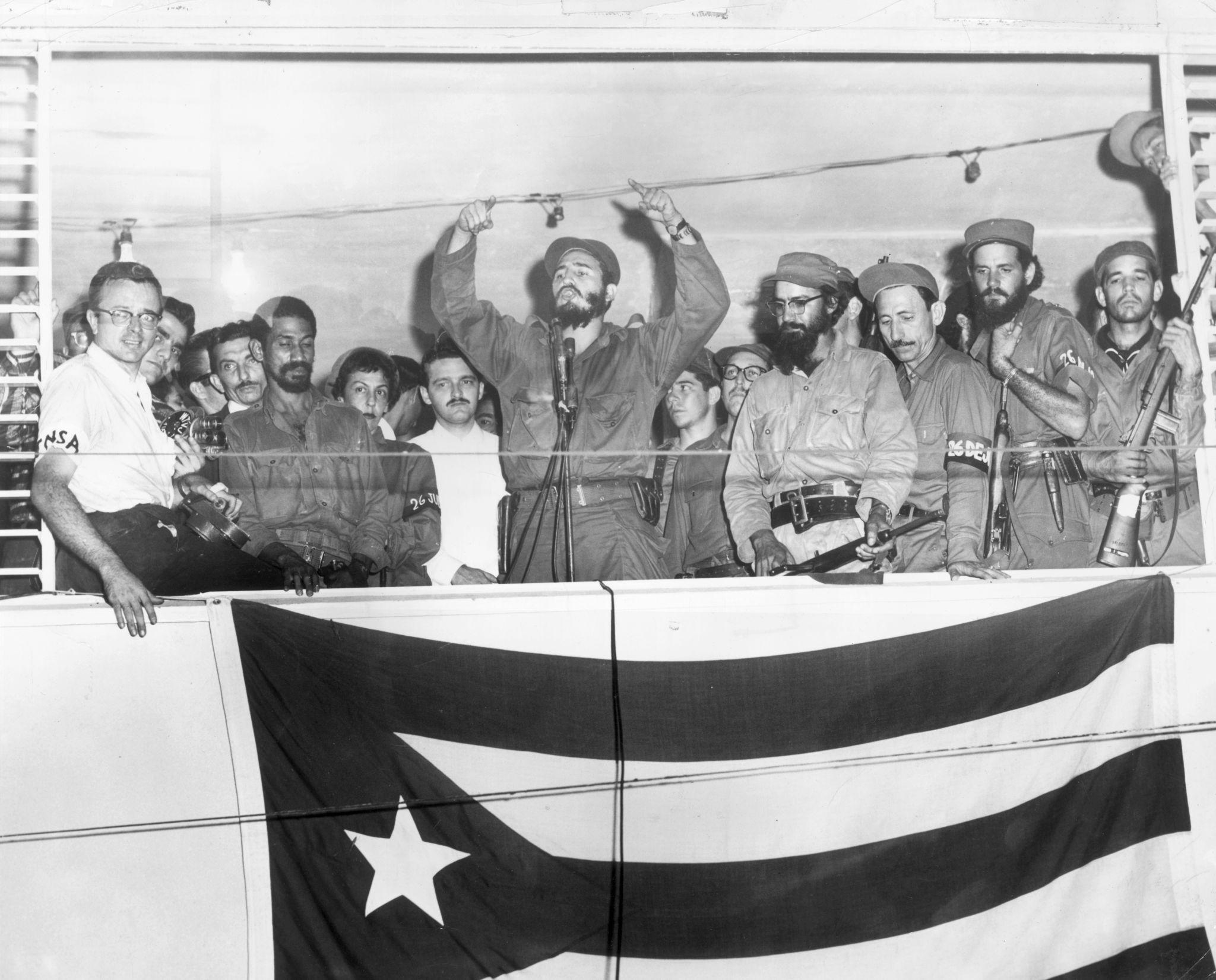
Following the Cuban Revolution, sweeping nationalizations transferred private foreign assets to state control. Thousands of American property owners were affected, leading to certified compensation claims that remain unresolved today.
Although periodic diplomatic discussions addressed compensation frameworks, no comprehensive settlement emerged. The revival of litigation pathways brought these unresolved grievances back into U.S. courts, culminating in the present Supreme Court review.
This historical backdrop underscores why US Cuba claims continue to resonate politically and economically decades after the original events.
International Law Implications
Beyond Cuba, the Court’s ruling could influence global jurisprudence concerning expropriation and sovereign immunity. Other nations with histories of nationalization may observe the decision closely.
Legal experts suggest that precedent established in cases involving US Cuba claims could shape strategies for future international arbitration disputes.
Financial institutions are also monitoring developments, as expanded liability interpretations could affect lending standards and insurance underwriting policies.
Political Debate in Washington
Lawmakers remain divided. Some argue that upholding property rights is essential to American legal principles. Others caution that aggressive litigation may complicate foreign policy objectives.
The Supreme Court’s forthcoming decision on US Cuba claims will likely intensify political discourse, particularly if it reshapes enforcement standards.
Anticipated Timeline and Judicial Outlook
Oral arguments are expected to conclude in mid-2026, with a decision anticipated before the end of the Court’s term. Once issued, the ruling will guide lower courts handling pending lawsuits.
Legal observers predict that clarity will reduce fragmentation across federal jurisdictions. Whether litigation expands or contracts will depend on how the justices frame their interpretation.
Long Term Economic Consequences
The broader economic consequences extend beyond immediate plaintiffs and defendants. If enforcement standards broaden, multinational firms may incorporate additional political risk premiums into investment calculations.
If the Court narrows the scope, businesses may gain renewed confidence in cross-border ventures involving historically contested regions.
In either scenario, the resolution of US Cuba claims will mark a pivotal moment in modern international business law.

A Defining Moment for Property Rights and Diplomacy
As Washington awaits the Court’s ruling, the debate surrounding US Cuba claims highlights the enduring tension between justice for past grievances and stability for present commerce.
The decision will not rewrite history, but it will determine how history is interpreted within the American judicial framework. Businesses, investors, policymakers, and claimants alike recognize the magnitude of the moment.
Whatever direction the Court chooses, the outcome will shape legal doctrine, diplomatic strategy, and investment behavior for years to come.