
Israel land policy debate has intensified in Jerusalem in June 2026.
Regional leaders and global powers are responding to renewed statements on territory.
Diplomatic, economic, and security implications are now under close review.
Jerusalem, Israel – February 22, 2026 – Brussels Morning Newspaper — The Israel land policy debate has entered a renewed and highly sensitive phase in Jerusalem this year, drawing strong political reactions from across the Middle East and beyond. Officials, diplomats, and international observers are closely monitoring developments as territorial rhetoric and policy discussions reemerge at the forefront of regional diplomacy.
The Israel land policy debate remains one of the most consequential and enduring issues in modern Middle Eastern politics. At its core are deeply rooted questions of sovereignty, historical narrative, security, and international law. Statements delivered by senior political figures in recent days have intensified scrutiny and prompted renewed dialogue among regional governments.
Diplomatic Tensions Expand Beyond Borders
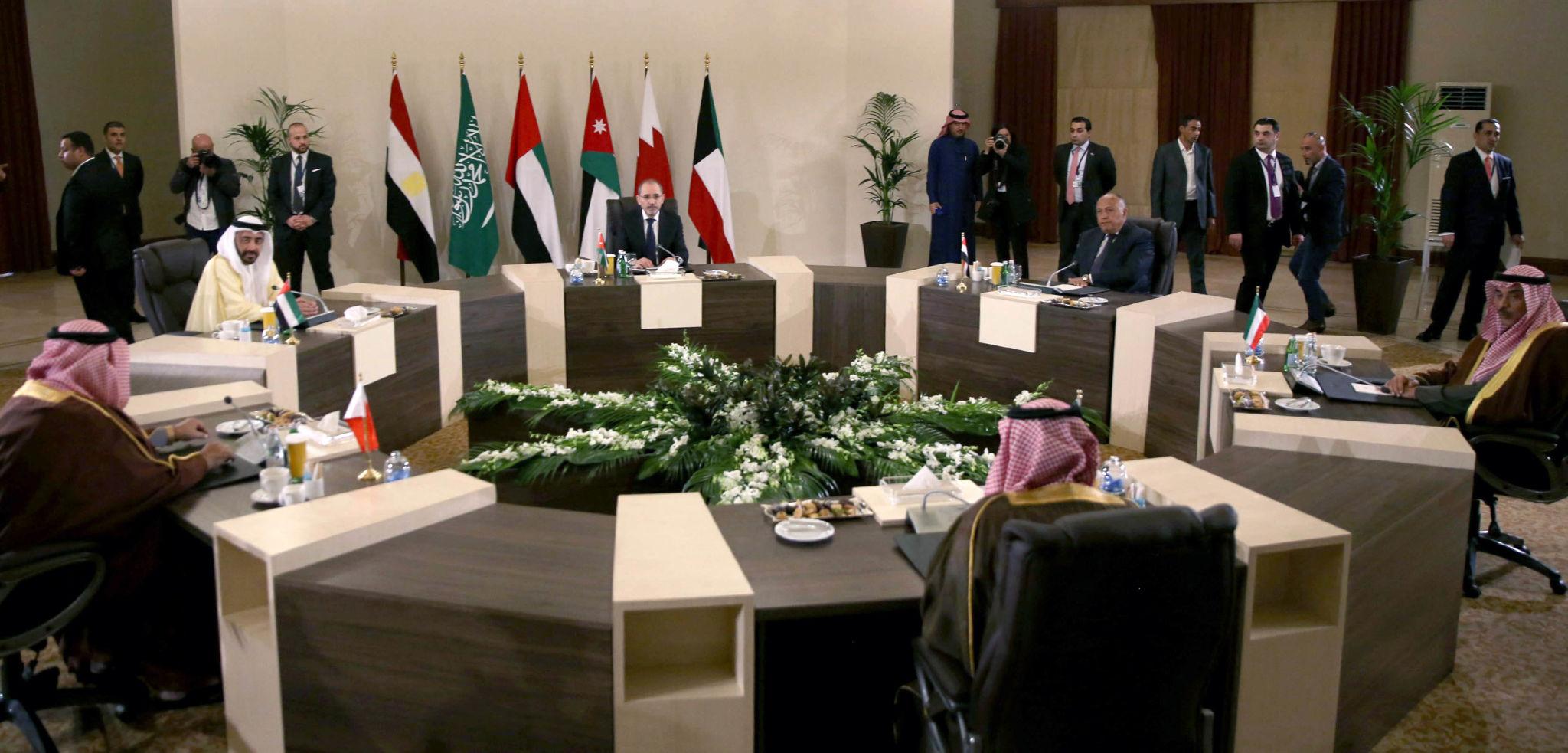
Governments throughout the region responded swiftly to the latest developments surrounding the Israel land policy debate. Foreign ministries in neighboring states reiterated support for negotiated solutions and adherence to established international resolutions. Several leaders emphasized that land related rhetoric must be handled with caution to prevent escalation.
Political analysts note that territorial issues are inseparable from national identity in the region. The Israel land policy debate therefore resonates far beyond domestic policy discussions. Even incremental shifts in language or emphasis can generate significant diplomatic consequences.
A senior regional diplomat stated,
“The Israel land policy debate affects every layer of political dialogue in this region.”
Domestic Political Calculations in Israel
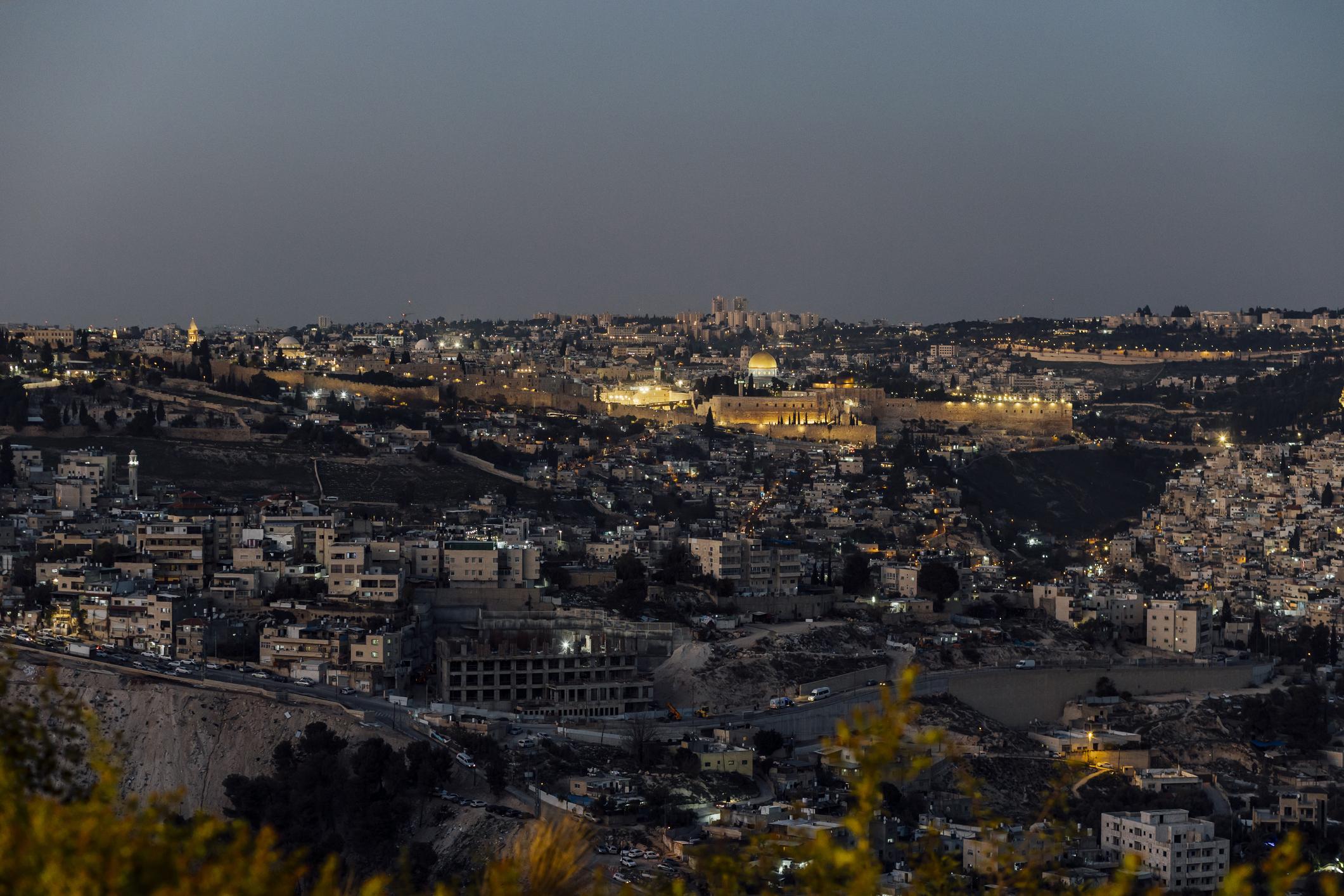
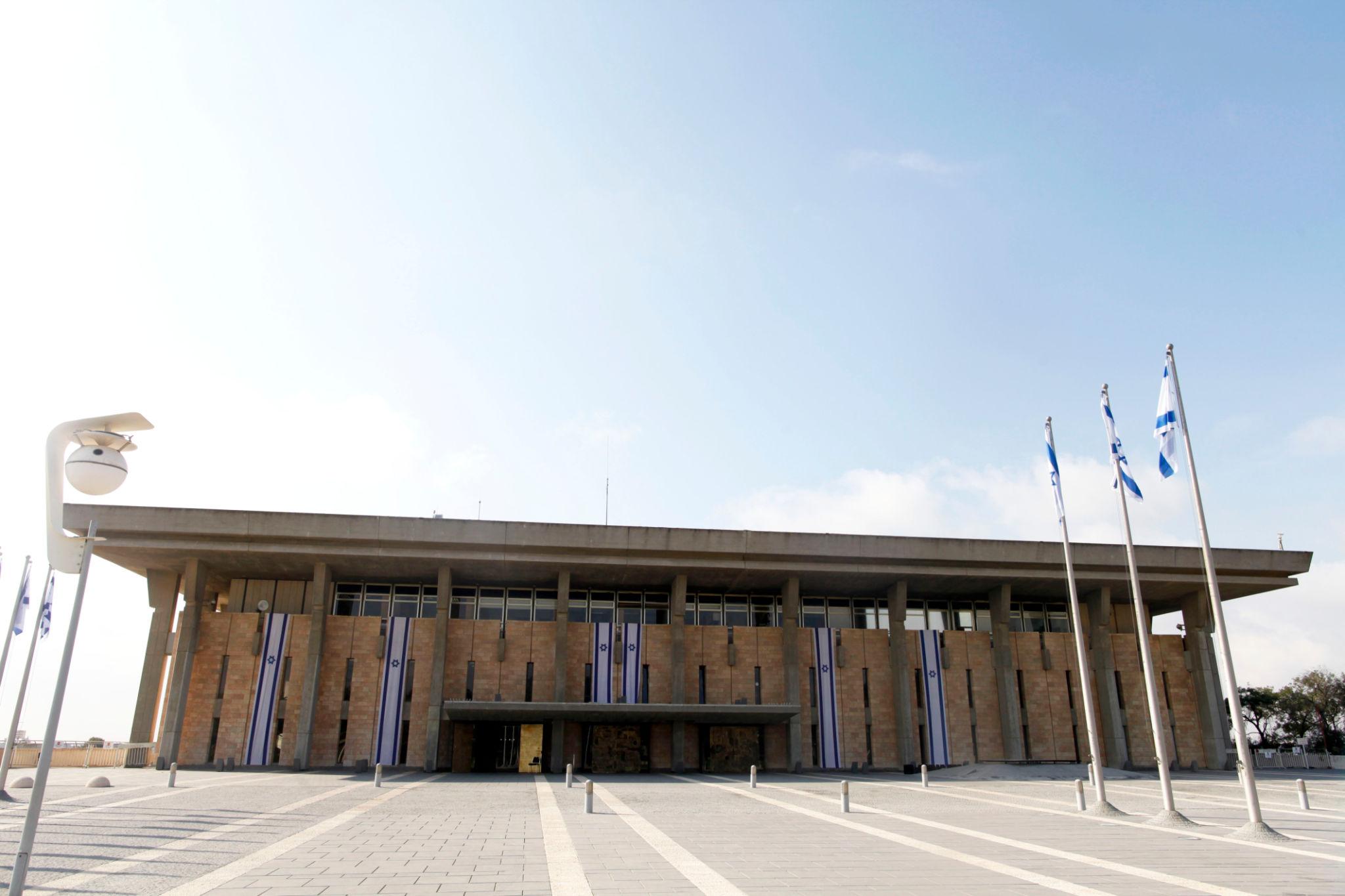
Within Israel, the Israel land policy debate intersects with internal coalition politics and electoral considerations. Different political factions approach territorial governance from varying ideological perspectives. Some prioritize security imperatives and assertive sovereignty claims, while others advocate renewed negotiations and diplomatic flexibility.
Public discourse has intensified as citizens debate how best to balance historical claims with contemporary geopolitical realities. Analysts observe that the Israel land policy debate often mirrors broader national conversations about identity, democracy, and long term stability.
Domestic political dynamics inevitably shape how policies are articulated and implemented.
Palestinian Leadership and Community Response
Palestinian leaders have framed the renewed Israel land policy debate as central to future statehood aspirations. Public statements emphasize international legal principles and the importance of negotiated settlement frameworks.
Community representatives argue that land governance decisions directly impact daily life, mobility, and economic opportunity. The Israel land policy debate therefore extends beyond abstract diplomacy and into tangible socioeconomic conditions.
Human rights organizations have urged restraint and constructive engagement from all parties.
Security Implications and Regional Stability
Territorial discourse frequently carries security implications. Defense analysts warn that heightened rhetoric surrounding the Israel land policy debate may increase tensions in sensitive areas. Border coordination mechanisms remain active, but observers emphasize the importance of measured communication.
Security officials from multiple countries have underscored that stability remains a shared priority. Military readiness has not significantly changed, yet the diplomatic climate requires vigilance.
Experts note that historical experience demonstrates how quickly localized incidents can escalate when political rhetoric intensifies.
Economic Ramifications
Investors and business leaders are watching developments carefully. Political uncertainty linked to the Israel land policy debate can influence tourism, foreign investment, and regional trade flows.
Israel’s technology sector continues to demonstrate resilience, but sustained diplomatic friction may affect long term economic planning. Similarly, Palestinian economic initiatives depend heavily on predictable land governance frameworks.
Economic analysts suggest that clarity and dialogue are essential to preserve investor confidence.
Global Powers and Multilateral Institutions React
European governments reiterated support for a negotiated solution consistent with international law. The United States emphasized continued engagement with regional partners. Asian and African nations called for de-escalation and constructive diplomacy.
Multilateral organizations stressed that sustainable peace requires careful management of land related issues. The Israel land policy debate therefore occupies a prominent position on the international diplomatic agenda.
One international relations scholar commented,
“The Israel land policy debate is both regional and global in its implications.”
Historical Foundations of Territorial Disputes
The roots of the Israel land policy debate trace back to the mid twentieth century. The establishment of the State of Israel in 1948, subsequent wars, and shifting borders laid the groundwork for decades of territorial contention.
The 1967 conflict significantly altered territorial control, bringing areas such as the West Bank and East Jerusalem under Israeli administration. International diplomacy since then has revolved around balancing security considerations with aspirations for Palestinian self governance.
Peace accords, including negotiations in the 1990s and early 2000s, sought to address these complexities. While certain agreements were reached, a comprehensive and lasting settlement has remained elusive.
Understanding this historical trajectory is essential to evaluating the contemporary Israel land policy debate. Past events continue shaping perceptions, legal arguments, and diplomatic strategies.
Media Narratives and Public Opinion
Media coverage plays a powerful role in shaping public perception. Headlines emphasizing confrontation may amplify tensions, while balanced analysis can contribute to informed discussion.
Social media platforms have further accelerated the spread of commentary related to the Israel land policy debate. Competing narratives circulate rapidly, influencing both domestic and international audiences.
Communication specialists advise policymakers to prioritize clarity and precision when addressing territorial matters.
Legal Considerations and International Frameworks
International law remains central to the Israel land policy debate. United Nations resolutions and previous agreements outline principles governing territorial disputes and negotiated solutions.
Legal scholars highlight the importance of dialogue grounded in established frameworks. While interpretations vary, adherence to internationally recognized standards provides a common reference point for negotiation.
Recent statements have prompted renewed examination of how these legal frameworks apply to current circumstances.
Civil Society and Grassroots Perspectives
Civil society organizations in both Israel and Palestinian territories advocate peaceful resolution and dialogue. Community leaders emphasize coexistence initiatives and cross border cooperation projects.
Grassroots voices often highlight practical concerns such as housing, infrastructure, and access to resources. The Israel land policy debate intersects directly with these everyday realities.
Non governmental organizations continue promoting dialogue and mutual understanding despite heightened political rhetoric.
Diplomatic Pathways Forward
Diplomatic channels remain open. Behind closed doors, officials are engaging in discussions aimed at preventing escalation and restoring focus on long term solutions.
Analysts believe incremental confidence building measures may help stabilize the situation. These could include economic cooperation initiatives or reaffirmations of prior commitments.
Sustainable progress in the Israel land policy debate likely depends on balancing security priorities with negotiated compromise.
Strategic Outlook for 2026 and Beyond
As Jerusalem navigates the current phase of the Israel land policy debate in 2026, policymakers face complex choices. The intersection of history, identity, security, and diplomacy creates a multidimensional challenge.
Regional stability depends not only on official statements but on sustained engagement. Global partners continue encouraging dialogue and restraint.
The coming months will reveal whether the renewed intensity leads to substantive diplomatic breakthroughs or reinforces entrenched positions.
When Territory Shapes Tomorrow’s Diplomacy
The Israel land policy debate stands as one of the defining geopolitical issues of the modern Middle East. Its influence extends beyond borders, affecting international alliances, economic strategies, and domestic politics.
As 2026 unfolds in Jerusalem, leaders confront the responsibility of navigating deeply rooted historical narratives while seeking a path toward lasting stability. The choices made today may shape regional diplomacy for decades to come.