Tel Aviv, April 9, 2026 — Brussels Morning Newspaper — Israel has approved the creation of 34 new settlements in the West Bank, signaling an unprecedented expansion in disputed areas near Tayasir and beyond. The cabinet decision, quietly authorized on April 1, includes both new communities and the legalization of existing outposts, providing them with independent budgets and local leadership rights. Human rights groups warn that these settlements heighten the risk of violence against Palestinians, who have already faced attacks and displacement in isolated villages. The move underscores Prime Minister Netanyahu’s ongoing strategy to consolidate territory while challenging the prospects for Palestinian statehood and drawing international criticism over potential violations of international law.
New Settlements in West Bank
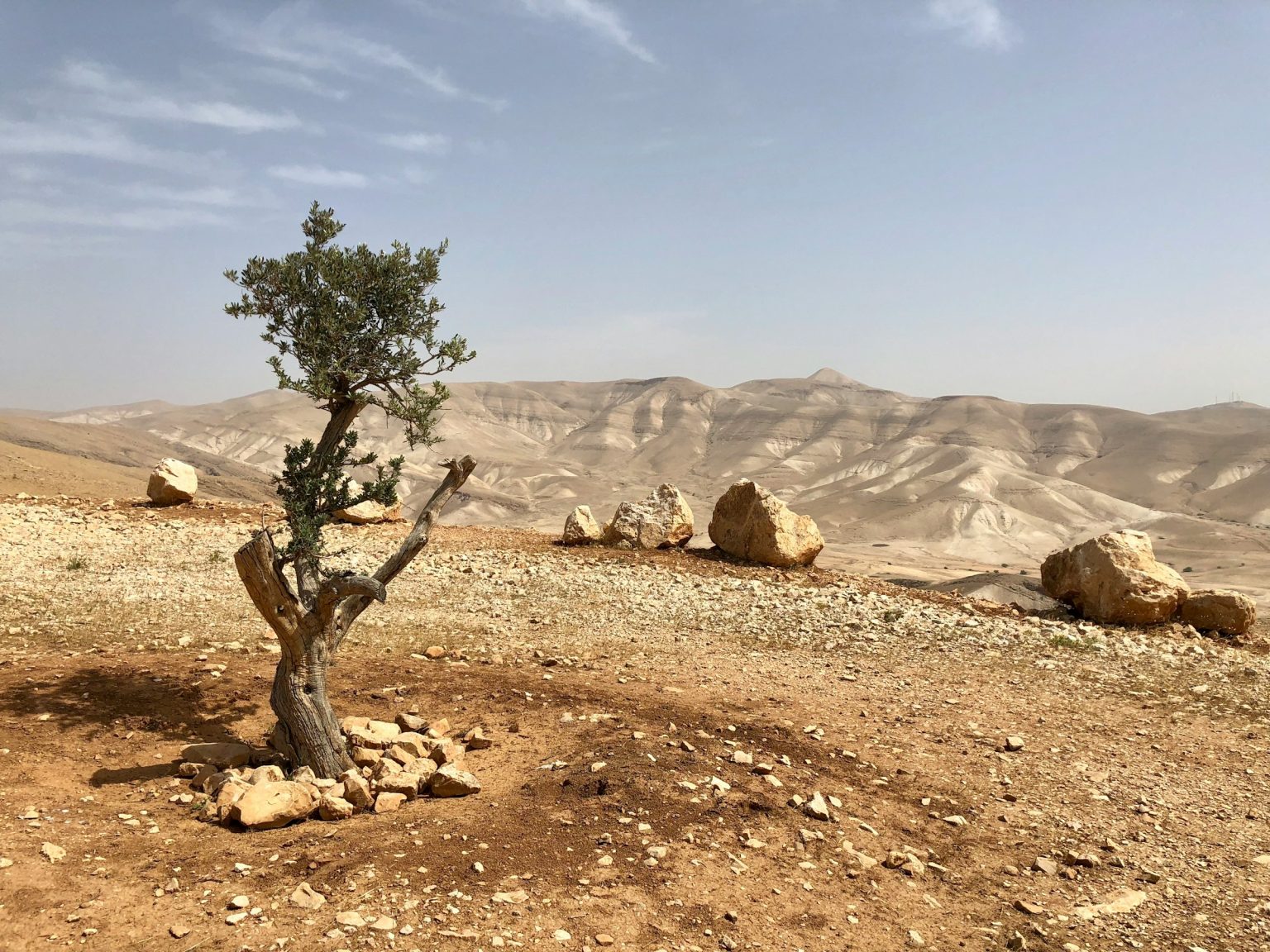
Israel has approved the establishment of dozens of new settlements across the West Bank, escalating tensions in the occupied territory. According to the Israeli watchdog group Peace Now, the government’s decision covers 34 sites, including both brand-new communities and previously unauthorized outposts. Many of these settlements are located in remote, mountainous areas where the Israeli military has limited permanent presence.
The move comes amid rising settler attacks against Palestinians, which have been sharply increasing over recent months. Prime Minister Benjamin Netanyahu’s government has not formally announced the expansion, but Israeli media widely reported the cabinet decision made on April 1. The approval is part of a broader settlement construction agenda, aiming to reinforce strategic areas near the Jordanian border and limit Palestinian statehood prospects.
Government Strategy and Objectives
The Israeli cabinet’s approval of the new settlements represents the largest single expansion in decades. The decision provides these settlements with independent government budgets and the ability to elect local leadership. Finance Minister Bezalel Smotrich stated that the goal is to strengthen Israel’s “eastern backbone” while securing territory close to Jordan.
Although Israel disputes the classification of the West Bank as occupied, the majority of the international community and the United Nations consider settlements there illegal under international law. The Peace Now group emphasized that this expansion demonstrates a historic push by Netanyahu’s government to solidify control over disputed territories and block Palestinian statehood in key regions.
Rising Violence against Palestinian Communities
The approval of new settlements has already intensified violence against Palestinians. On Wednesday, a 28-year-old Palestinian man was killed in Tayasir following a settler attack. Residents report that settlers began establishing outposts near the village about a month ago, increasing the risk of violent clashes.
Hussam Abdel Latif Wahdan, a local farmer, said: ‘They don’t want to leave any place for us. If I had not managed to escape, they would have killed me.’ Settler attacks have included beatings, arson, and vandalism, creating widespread fear among Palestinian residents, particularly in remote areas under Palestinian Authority jurisdiction.
Global implications of West Bank settlements
The approval of new settlements in the West Bank could reverberate far beyond the region, complicating diplomatic efforts in Europe and the United States. Western governments, which have long advocated for a two-state solution, may face renewed pressure to respond to an accelerating expansion that undermines Palestinian territorial claims. Analysts warn that continued settlement growth risks inflaming tensions in the Middle East, potentially disrupting European energy interests and challenging U.S. mediation efforts. If unaddressed, these developments could harden political stances on both sides, making negotiations increasingly difficult and drawing international actors into a more active, and potentially contentious, role in addressing the Israeli-Palestinian conflict.
International Reaction and Legal Concerns
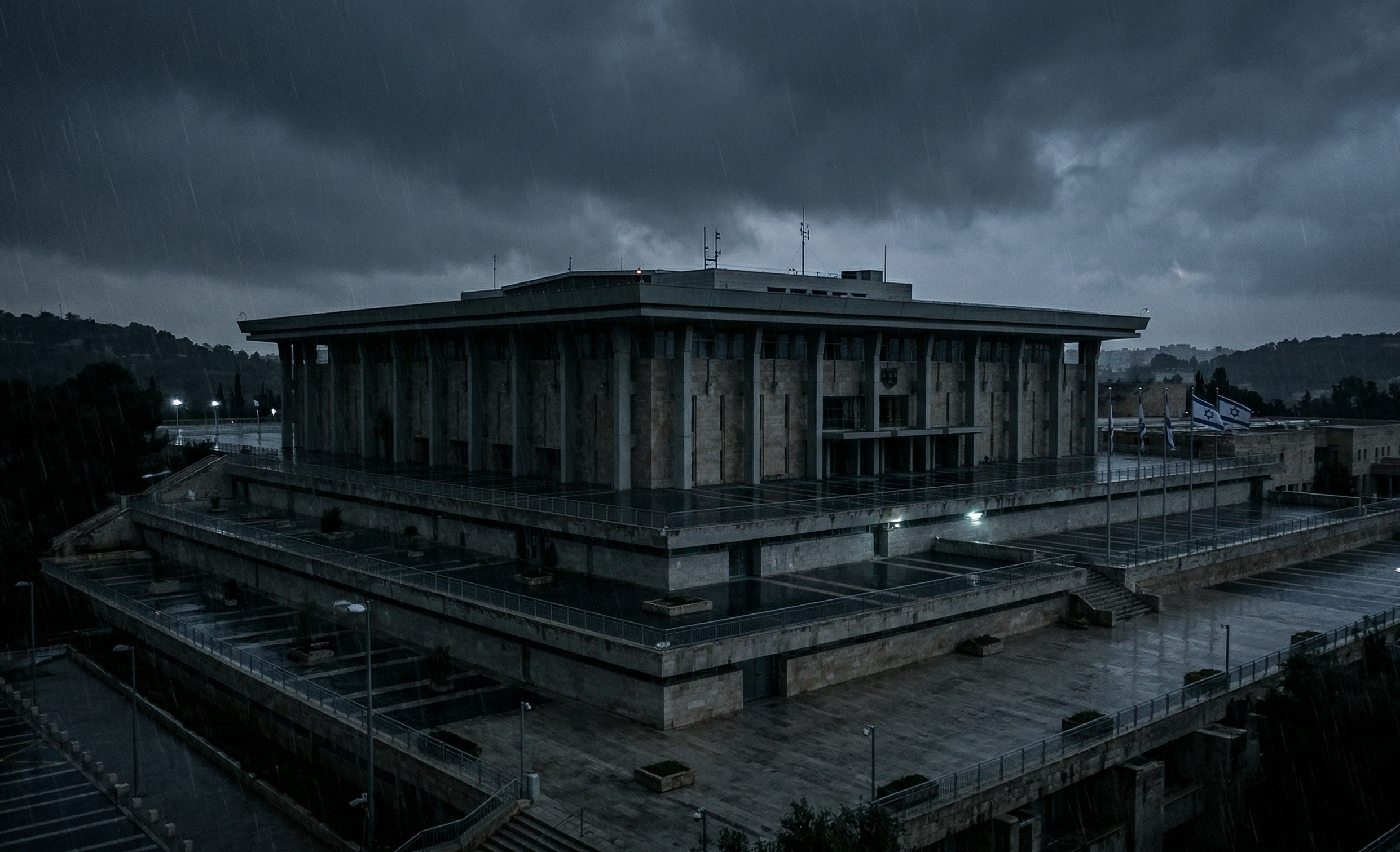
The Palestinian Presidency condemned Israel’s expansion, describing it as a “flagrant violation of international law.” International observers argue that the settlements undermine peace prospects in the West Bank and violate established agreements. Despite Israel’s claim that territories captured in 1967 are not occupied, United Nations officials stress that settlements remain illegal under international law and must be removed.
Rights groups also note that settler attacks have forced thousands of Palestinians to leave their homes. According to B’Tselem, over 1,700 Palestinians were displaced in early 2026 alone due to settler violence and expansion. Observers argue that settlements are increasingly encroaching into areas meant for Palestinian self-rule, escalating the conflict further.
Strategic Impact of New Settlements
Many of the newly approved settlements are situated in isolated areas, far from major population centers. This placement allows Israeli authorities to strengthen control over the West Bank while minimizing immediate clashes with larger Palestinian towns. Analysts warn that this could solidify Israel’s strategic presence in key regions while further isolating Palestinian communities.
The Peace Now watchdog stated that the approval includes both formal legalization of existing outposts and construction of entirely new settlements. This combination ensures that Israel can consolidate territory without waiting for lengthy international negotiations, cementing settlements as a permanent feature of the West Bank landscape.
Effect on Regional Stability
The expansion of settlements is likely to complicate any future negotiations regarding a two-state solution. As settlements grow in number and territory, Palestinians face heightened displacement and a shrinking footprint in their own land. Analysts predict that continued expansion will intensify tensions not only within the West Bank but across the region, affecting relations with neighboring countries and international stakeholders.
The new settlements also come at a time of increased security concerns, as violent incidents have targeted both Area B and Area A under the 1990s Oslo accords. These regions were intended to provide varying degrees of Palestinian autonomy, but settlements have undermined those arrangements, leaving communities more vulnerable to attacks.
Local Response
Palestinian residents near newly approved settlements express fear for their safety and livelihoods. Farmers report difficulty accessing their lands and a growing sense that their villages are under siege. International human rights groups have called on Israel to halt settlement expansion and respect existing agreements to prevent further displacement and violence.
Despite global criticism, Israeli authorities continue to defend settlements as part of long-term territorial strategy. The Peace Now group argues that unless the international community pressures Israel to reconsider, settlements will continue to expand, making Palestinian self-rule increasingly unattainable. The West Bank remains a focal point of tension, with settlements shaping both daily life and regional politics.