Washington, April 9, 2026 — Brussels Morning Newspaper — Democrats suffered a setback as their attempt to limit Trump war powers was blocked by the Republican-controlled House, underscoring the deep partisan divide over U.S. military action in Iran. House Minority Leader Hakeem Jeffries tried to push a symbolic war powers resolution by unanimous consent, but procedural hurdles prevented the measure from advancing. The move reflects mounting Democratic frustration over what they call unchecked presidential authority and the high economic and human costs of Operation Epic Fury. Analysts warn that ongoing disputes over Trump war powers may complicate U.S. diplomacy and weaken congressional oversight in the coming months.
Washington Sees Democratic Efforts Thwarted
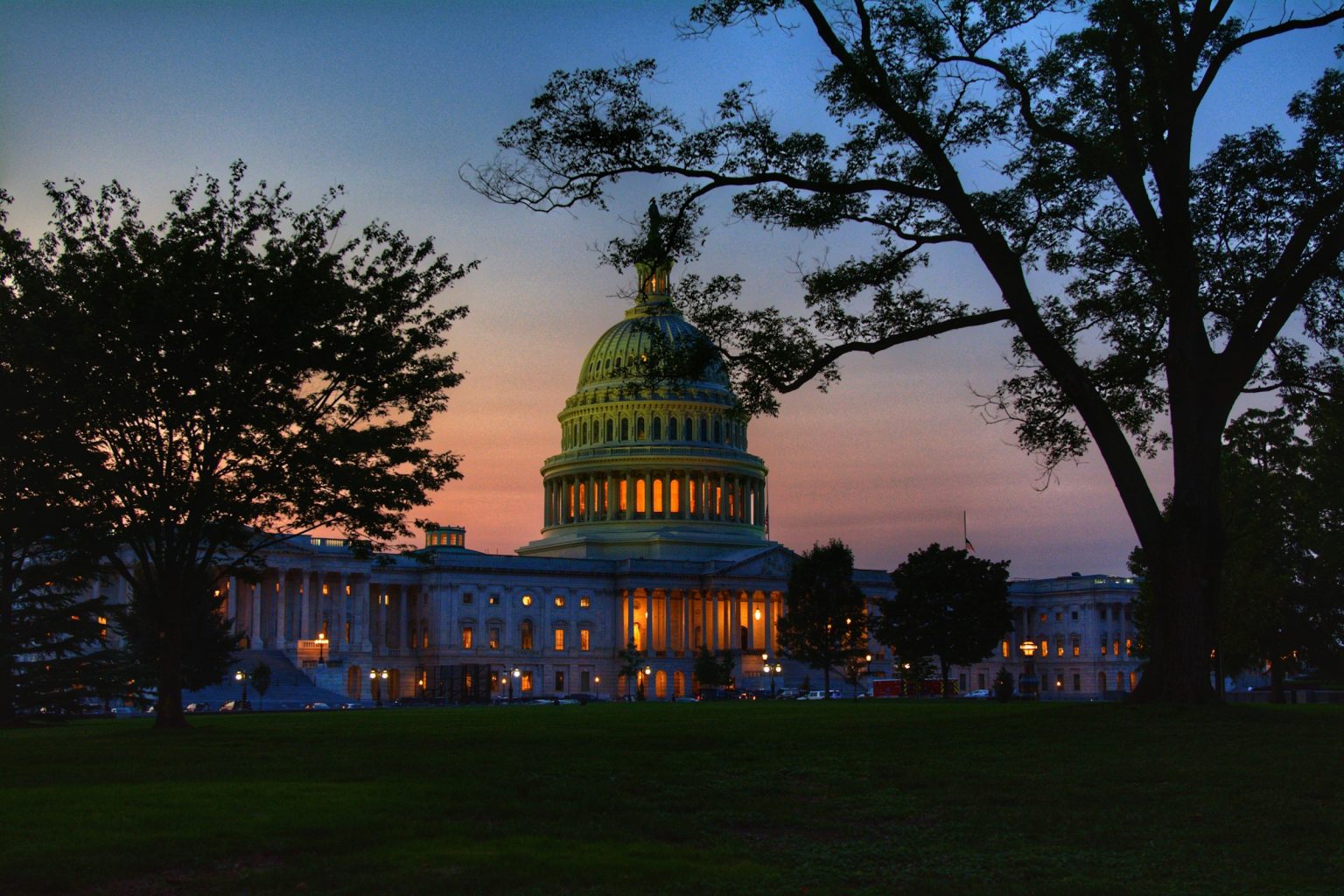
Democratic lawmakers in the U.S. Congress failed on April 9 to advance a symbolic resolution aimed at curbing President Donald Trump’s war powers over Iran. The attempt, led by House Minority Leader Hakeem Jeffries, was blocked by the Republican majority during a brief procedural session in Washington, emphasizing growing concerns over unchecked presidential authority. The session underscored the challenges Democrats face in limiting Trump war powers while the ongoing Middle East conflict continues to escalate.
The resolution sought to restrict the President’s ability to conduct military operations without formal congressional authorization. Democrats argue that such measures are necessary to uphold constitutional checks and balances, ensuring that no single branch of government wields unilateral military control. While largely symbolic, the April 9 maneuver highlighted mounting Democratic frustration with Trump war powers and the broader handling of the Iran conflict.
Recent Legislative Failures
Democrats have faced repeated setbacks in their attempts to limit Trump war powers. In March, the Senate rejected a resolution introduced by Senator Tim Kaine that would have required congressional approval for any further military action against Iran. Bipartisan splits emerged, with Republican Senator Rand Paul supporting the measure, while Democratic Senator John Fetterman opposed it, reflecting the complex political dynamics surrounding Trump war powers.
In the House, procedural tools have consistently prevented debates on war powers. During the April 9 pro forma session, Representative Chris Smith presided as speaker pro tempore and adjourned the session before Minority Leader Glenn Ivey could formally introduce the resolution. Such procedural hurdles underscore the difficulty of challenging Trump war powers when the Republican majority controls the legislative agenda.
Escalating Rhetoric Intensifies Democratic Concerns
The symbolic bid coincided with heightened rhetoric from the White House. Following an Easter Sunday post on Truth Social, President Trump warned that “a whole civilization will die” if Iran did not comply with his demands to reopen the Strait of Hormuz. Democratic leaders, including Jeffries and Senate Minority Leader Chuck Schumer, described the comments as “dangerous” and “unhinged,” emphasizing the need for legislative oversight over Trump war powers to prevent further escalation.
The White House defended the statements as a negotiating tactic that pressured Iran into agreeing to a temporary ceasefire. Press Secretary Karoline Leavitt argued that the threat was part of a broader strategy that compelled the Iranian regime to halt certain military activities. Despite these assurances, Democrats remain concerned that Trump war powers continue to bypass congressional scrutiny, raising questions about accountability.
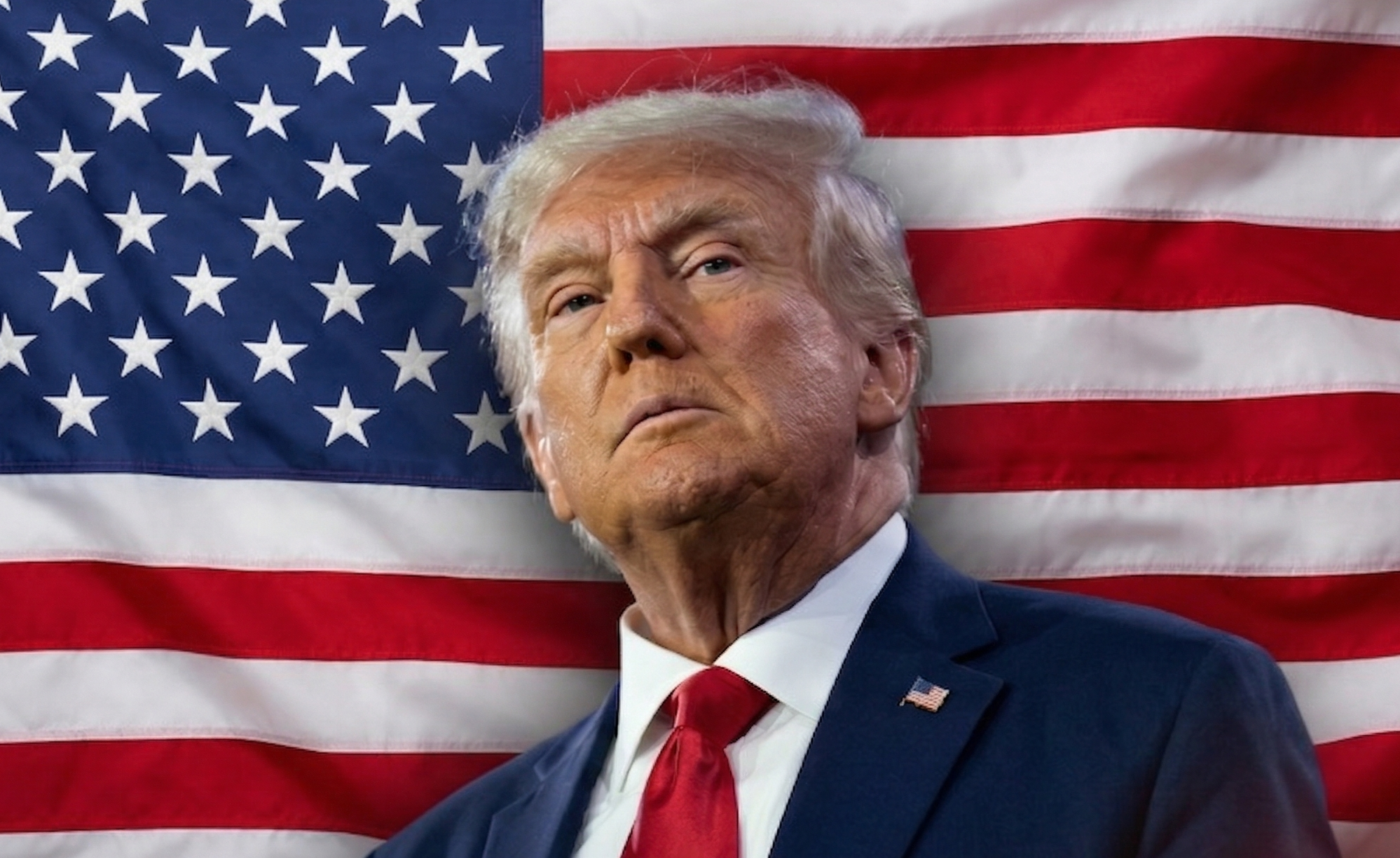
Broader implications of Trump war powers debate
The persistent clashes over Trump’s war powers highlight a growing transatlantic unease, as European allies watch Washington’s unilateral military posture with concern. NATO partners, already navigating regional tensions, may face pressure to recalibrate their strategic commitments if U.S. actions escalate without congressional oversight. Analysts suggest that repeated congressional deadlocks could embolden executive overreach, potentially undermining long-term U.S. credibility abroad and complicating diplomatic efforts with Iran and its neighbors. The episode signals that future administrations might confront heightened scrutiny on war powers, and allies could increasingly demand formal legislative involvement before engaging in joint operations, affecting both European security planning and global diplomatic norms.
Operation Epic Fury and Military Impact
The conflict, termed Operation Epic Fury by the Trump administration, has involved substantial U.S. military engagement. According to Pentagon reports, over 8,000 combat flights have been conducted, targeting nearly 7,800 Iranian sites, including nuclear facilities, power plants, and infrastructure. At least 13 U.S. troops have been killed, while Iranian officials report dozens of civilian casualties, including children, resulting from strikes on infrastructure.
Analysts estimate that the military campaign is costing the United States approximately $1 billion per day, with total expenditures exceeding $30 billion. Economic experts warn that the conflict is contributing to inflationary pressures, global supply chain disruptions, and potential downgrades in international growth forecasts. These developments reinforce Democratic concerns that Trump war powers, exercised without oversight, have significant military and economic consequences.
Political Repercussions and Congressional Debate
The failure of Democratic efforts to curb Trump war powers has intensified political debates in Washington. Minority leaders have vowed to continue pushing for legislative checks when Congress reconvenes in full session. Lawmakers argue that while the April 9 session was symbolic, it reflects growing frustration over executive overreach and the ongoing conflict with Iran.
Some Democrats have also shifted discussions toward exploring constitutional mechanisms, including the 25th Amendment and potential impeachment, to address perceived abuses of Trump war powers. These debates highlight the challenges of navigating both procedural hurdles in Congress and public opinion while attempting to restrain presidential authority.
Fragile Ceasefire and Regional Implications
A two-week truce brokered with assistance from Pakistan began on April 8, offering limited respite from ongoing hostilities. Formal negotiations are scheduled to begin in Islamabad, Pakistan, on April 10. While U.S. strikes on Iran are temporarily paused, regional instability continues, including heavy bombardment by Israel in Lebanon.
Iran has proposed a 10-point peace plan, including lifting sanctions, uranium enrichment compromises, and safe passage protocols for the Strait of Hormuz. Democratic lawmakers argue that these efforts, while promising, do not diminish the need to impose legislative checks on Trump war powers to prevent further unilateral military action.