Netanyahu Announces Peace Talks Initiative
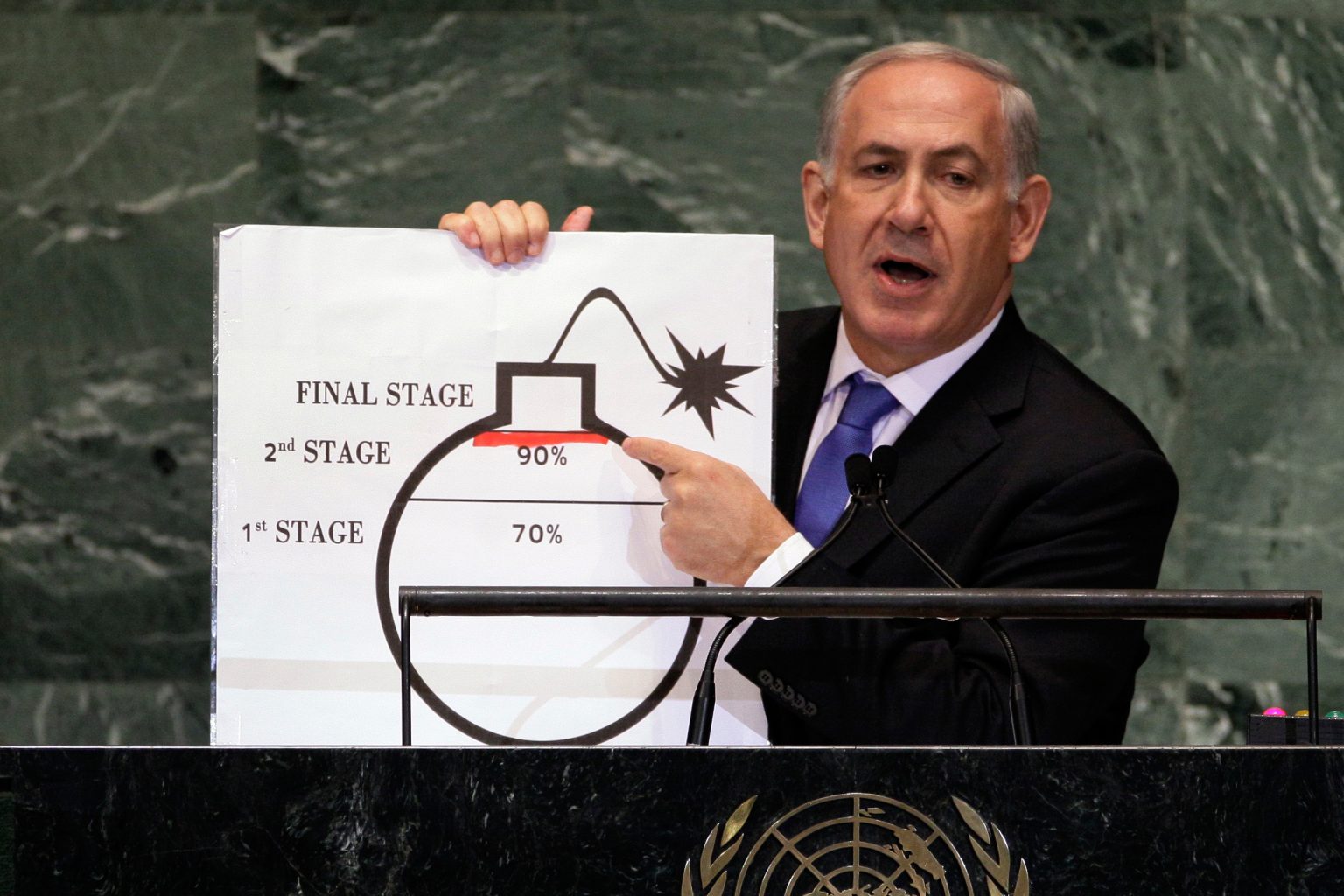
Israeli Prime Minister Benjamin Netanyahu announced on Thursday that Israel is ready to begin direct peace talks with Lebanon. The prime minister emphasized that these negotiations would focus on disarming Hezbollah and establishing stable and peaceful relations between the two neighboring countries. Netanyahu’s remarks came as tensions remain high following renewed hostilities in the region, which have caused significant casualties and displacement within Lebanon.
“In light of Lebanon’s repeated requests to open direct negotiations, I instructed the cabinet yesterday to start talks as soon as possible,”
Netanyahu said. The announcement comes after months of regional instability and escalating military exchanges, particularly along the northern border of Israel and southern Lebanon.
The Lebanon-Israel Talks
The proposed negotiations mark a notable shift in Israel’s approach to Lebanon. For years, diplomatic engagement between the two nations has been limited due to ongoing hostilities and political disputes. The current talks aim to address both security concerns and long-term peace strategies, particularly concerning Hezbollah’s presence and influence in Lebanon.
Lebanese President Joseph Aoun previously stated that achieving a ceasefire followed by direct negotiations with Israel is essential for the country’s security. International observers have described the diplomatic initiative as a potentially positive step, indicating a readiness from Lebanon to engage in meaningful dialogue.
Objectives of the Negotiations
The peace talks will focus on two primary goals. First, Israel aims to disarm Hezbollah to reduce the threat of rocket attacks and cross-border aggression originating from Lebanon. Second, both nations will work to establish a framework for peaceful relations that can support regional stability. Netanyahu stressed that the negotiations are to be conducted alongside ongoing military vigilance, ensuring that Israel’s security concerns are addressed while engaging Lebanon diplomatically.
The leadership of the talks is expected to include Yechiel Leiter, Israel’s Ambassador to the United States, highlighting the international attention on Lebanon’s evolving role in regional security. Netanyahu emphasized that while the negotiations are urgent, the Israeli military will continue operations as necessary to protect national interests.
Regional and Global Stakes for Lebanon Talks
Netanyahu’s push for peace talks with Lebanon carries implications far beyond the Middle East. For Europe and the United States, a stabilized Lebanon could ease migration pressures and reduce the risk of regional conflicts spilling into international trade routes, particularly the Mediterranean. A successful negotiation may also weaken Iran’s influence in the Levant, signaling a shift in geopolitical calculations that Western policymakers have long monitored. However, the delicate balance of military pressure and diplomacy means any misstep could reignite hostilities, potentially forcing NATO allies and regional partners to reassess security commitments. The coming weeks will test whether Lebanon can navigate these talks without exacerbating internal divisions.
Lebanon’s Response and Regional Reactions
Lebanon’s government has not issued an immediate response to Netanyahu’s statement, but the country’s leadership has consistently advocated for dialogue. President Aoun has underscored that Lebanon views direct negotiations as essential for ending hostilities and stabilizing the nation after weeks of conflict.
The announcement comes at a complex time in the Middle East. A fragile ceasefire between the United States and Iran is currently in place, although it does not extend to Lebanon. Analysts note that Lebanon’s involvement in broader regional diplomacy is crucial, as international actors monitor the situation closely to prevent escalation and ensure civilian protection.
Military Context of the Lebanon-Israel Situation
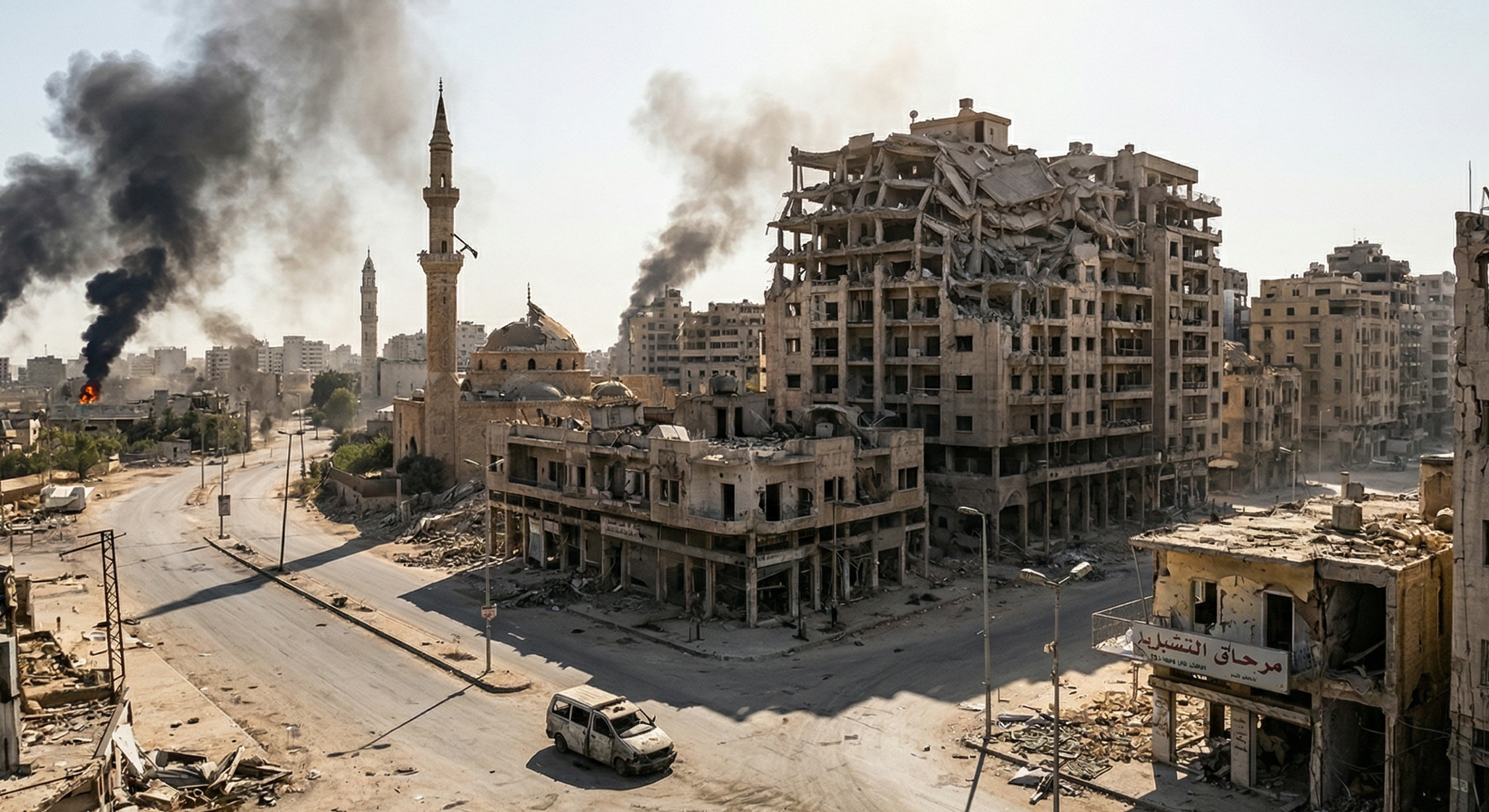
Israel’s renewed offensive against Hezbollah followed persistent rocket fire into Israeli territory. Lebanese authorities report over 1,700 deaths and the displacement of more than a million residents since the onset of the March escalation. Hezbollah, which has fired hundreds of rockets and drones, has also suffered significant losses, with sources indicating at least 400 fighters killed.
Despite the ongoing military operations, Netanyahu’s announcement suggests a strategic balance between force and diplomacy. Israel aims to leverage negotiations to reduce hostilities while maintaining pressure on Hezbollah within Lebanon, reinforcing the dual-track approach of security and diplomacy.
Potential Implications for Lebanon and the Region
If successful, the peace talks could redefine Lebanon’s role in regional security and its relationship with Israel. Analysts suggest that Lebanon’s willingness to engage in dialogue may reduce the risk of prolonged conflict and open opportunities for international support and economic recovery.
The diplomatic initiative is seen as part of a broader effort to stabilize the region, particularly given Lebanon’s strategic location and its influence on neighboring countries. By addressing Hezbollah’s role and establishing frameworks for peaceful cooperation, both nations may reduce the likelihood of future hostilities along the Israel-Lebanon border.
Challenges Ahead for Lebanon Peace Negotiations
Despite optimism, the talks face significant hurdles. Lebanon’s internal political divisions, the complex structure of Hezbollah, and the ongoing military confrontations pose challenges to reaching an agreement. Negotiators must navigate sensitive issues carefully, balancing security concerns with the pursuit of lasting peace.
International mediators may play a crucial role in facilitating dialogue, ensuring that Lebanon can engage in negotiations without compromising its sovereignty or security. The upcoming weeks will be critical in determining whether Israel and Lebanon can translate diplomatic intent into concrete agreements.