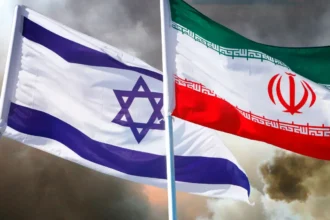

Israel, April 6, 2026 — Brussels Morning Newspaper — Middle East missile attacks have entered a dangerous new phase in 2026, as more than 20 locations across Israel were reportedly struck by falling projectiles in the latest wave of Iranian-linked strikes. The escalation signals a sharp increase in hostilities and raises concerns about a broader regional conflict.
- Widespread Damage Reported Across Key Locations
- Air Defense Systems Tested Under Heavy Fire
- Link to Broader Regional Tensions
- Civilian Impact and Emergency Response Efforts
- Global Reactions and Calls for Restraint
- Economic and Market Impact
- Strategic Implications for the Region
- What Lies Ahead?
- Escalation Reaches a Critical Stage
Authorities confirmed that sirens were activated across multiple cities, with air defense systems deployed to intercept incoming threats. Despite interception efforts, the number of impacted sites highlights the scale and intensity of the attacks.
Widespread Damage Reported Across Key Locations
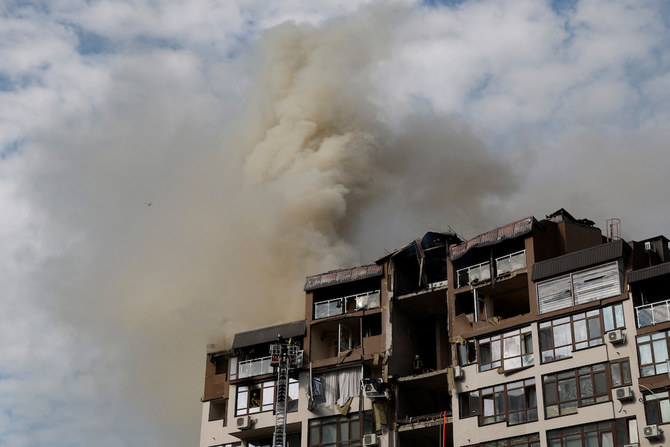
The latest Middle East missile attacks affected both civilian and strategic areas, with emergency teams dispatched to assess damage and assist those impacted. Officials have not yet released full casualty figures, but early reports indicate structural damage in several locations.
Security analysts believe the attacks were coordinated to maximize pressure on defense systems and infrastructure.
A regional expert stated:
“This wave of Middle East missile attacks reflects a shift toward sustained and coordinated operations rather than isolated incidents.”
The widespread nature of the strikes underscores the growing complexity of the conflict.
Air Defense Systems Tested Under Heavy Fire
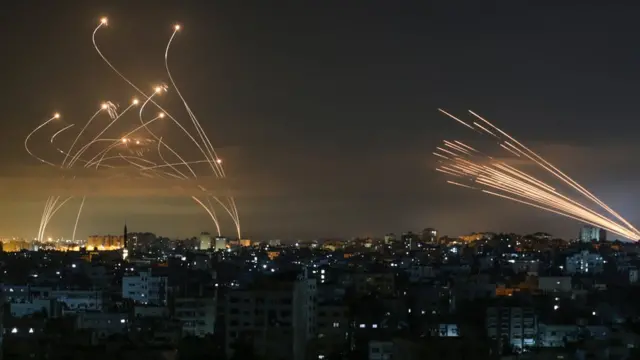
Israel’s advanced air defense systems were activated throughout the attacks, intercepting many incoming projectiles. However, the volume of missiles appears to have tested the limits of these systems, allowing some projectiles to reach their targets.
Defense experts emphasize that even the most sophisticated systems can be challenged during high-intensity attacks.
The pressure on defensive capabilities is expected to remain a key concern if additional waves occur.
Link to Broader Regional Tensions
The surge in Middle East missile attacks is closely tied to the broader geopolitical tensions involving Iran, Israel, and the United States. The recent resignation of a senior counterterrorism official in protest of US military actions has added further uncertainty to the situation.
Observers note that internal disagreements within US leadership could influence future responses, potentially shaping the direction of the conflict.
Iran has framed its actions as part of a broader regional strategy, while Israel continues to emphasize its right to defend its territory.
Civilian Impact and Emergency Response Efforts
The human impact of the Middle East missile attacks is becoming increasingly evident. Residents in affected areas have sought shelter as warning systems continue to sound.
Emergency response teams are focused on:
- Providing medical care
- Securing damaged structures
- Restoring essential services
Communities remain on high alert, with ongoing uncertainty about future attacks.
Global Reactions and Calls for Restraint
International reactions to the Middle East missile attacks have been swift, with global leaders urging de-escalation. However, diplomatic efforts face challenges as tensions continue to rise.
The United States has reaffirmed its support for Israel, while also calling for measures to prevent further escalation.
Global concern is growing that continued attacks could lead to a wider conflict involving additional nations.
Economic and Market Impact
The Middle East missile attacks are already affecting global markets, particularly in energy and shipping sectors. Investors are closely monitoring developments as uncertainty increases.
Key impacts include:
- Rising oil prices
- Increased shipping risks
- Market volatility
Economic consequences are expected to continue as long as tensions remain elevated.
Strategic Implications for the Region
The scale of the Middle East missile attacks suggests a significant shift in regional dynamics. The use of coordinated strikes indicates a more aggressive approach, with potential long-term implications.
Key concerns include:
- Expansion of military operations
- Increased involvement of global powers
- Heightened risk of broader conflict
These developments highlight the fragile nature of stability in the region.
What Lies Ahead?
The future of the Middle East missile attacks remains uncertain. While some analysts believe the current escalation may stabilize, others warn that the risk of further conflict is high.
Critical factors to watch:
- Potential retaliatory actions
- Additional waves of attacks
- Diplomatic developments
The coming days will be crucial in determining the trajectory of the situation.
Escalation Reaches a Critical Stage
The latest Middle East missile attacks represent a major escalation, with more than 20 sites in Israel impacted in a single wave. The scale and coordination of the strikes highlight the increasing intensity of the conflict and the challenges facing regional stability.
In summary:
- Over 20 sites in Israel were struck in the latest wave
- Air defense systems were heavily engaged
- Civilian and economic impacts are rising
- Global concerns about wider conflict continue to grow