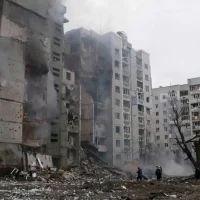

Doha, Qatar, April 6, 2026 — Brussels Morning Newspaper — Energy supply disruption risk is rapidly emerging as a central concern in 2026, as Qatar’s Prime Minister issued a strong warning against targeting critical infrastructure, including food systems, water resources, and energy facilities. The statement comes amid escalating tensions across the Middle East, where conflict dynamics are increasingly threatening essential services.
- Critical Infrastructure Under Threat
- Humanitarian Impact of Infrastructure Attacks
- Global Energy Markets on Edge
- Diplomatic Efforts and International Response
- Link to Broader Regional Conflict
- Economic Consequences and Supply Chain Effects
- Strategic Importance of Energy Security
- What Lies Ahead?
- A Growing Global Concern
The warning highlights the fragile balance between geopolitical conflict and global economic stability, as disruptions to infrastructure could have far-reaching consequences.
Critical Infrastructure Under Threat
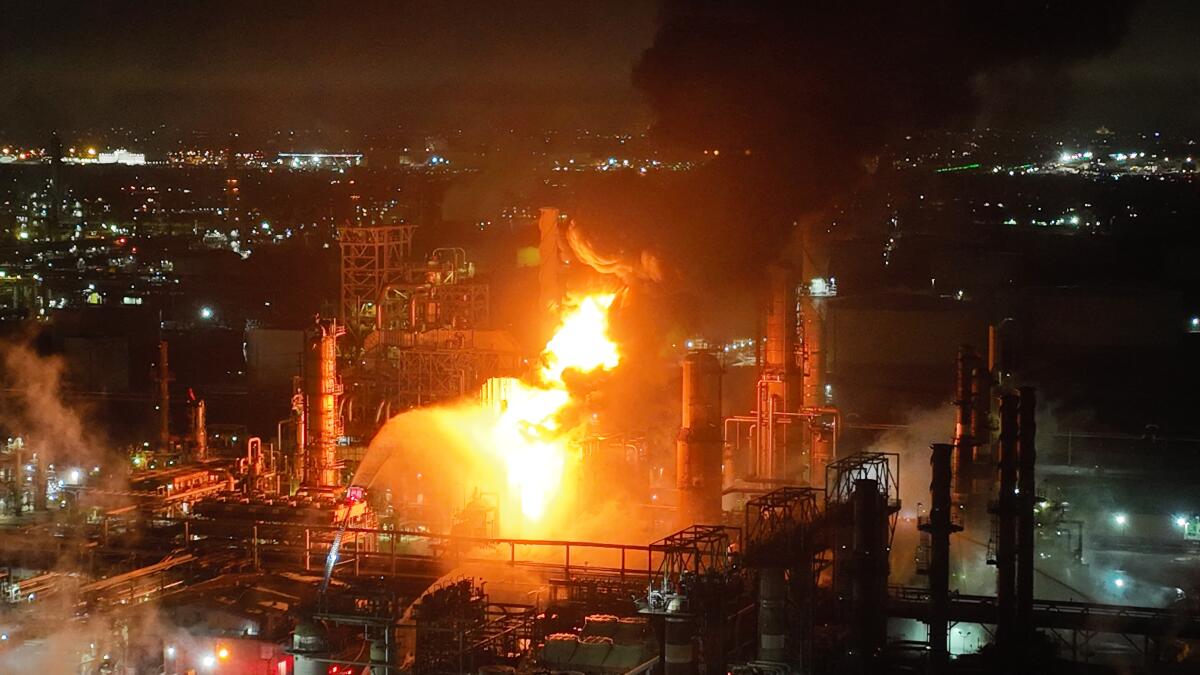
The growing energy supply disruption risk reflects increasing vulnerability across essential systems that support both daily life and global markets. Energy facilities, in particular, are considered high-value targets due to their strategic importance.
Experts warn that attacks on infrastructure could lead to:
- Severe energy shortages
- Disruption of transportation and industry
- Increased pressure on global supply chains
A regional analyst explained:
“Energy supply disruption risk is no longer theoretical—it’s a real and immediate concern with global implications.”
The situation underscores the need for enhanced protection of vital systems.
Humanitarian Impact of Infrastructure Attacks
The energy supply disruption risk extends beyond economics, affecting humanitarian conditions across conflict-affected areas. Disruptions to energy systems can impact water treatment, food storage, and healthcare services.
Communities in vulnerable regions may face:
- Limited access to clean water
- Food insecurity
- Reduced medical capabilities
Humanitarian organizations are emphasizing the urgency of safeguarding infrastructure to prevent widespread suffering.
Global Energy Markets on Edge
Energy supply disruption risk is already influencing global markets, with investors closely monitoring developments in the Middle East. The region plays a critical role in supplying oil and gas to international markets.
Potential impacts include:
- Rising energy prices
- Increased market volatility
- Economic uncertainty across multiple sectors
Even minor disruptions can have significant ripple effects due to the interconnected nature of global energy systems.
Diplomatic Efforts and International Response
Qatar’s warning about energy supply disruption risk serves as a diplomatic appeal to all parties involved in regional conflicts. The message emphasizes the importance of restraint and adherence to international norms regarding the protection of civilian infrastructure.
Global leaders have echoed these concerns, calling for:
- De-escalation of tensions
- Protection of essential systems
- Strengthened diplomatic engagement
A policy expert noted:
“Preventing energy supply disruption risk requires cooperation, not confrontation.”
Link to Broader Regional Conflict
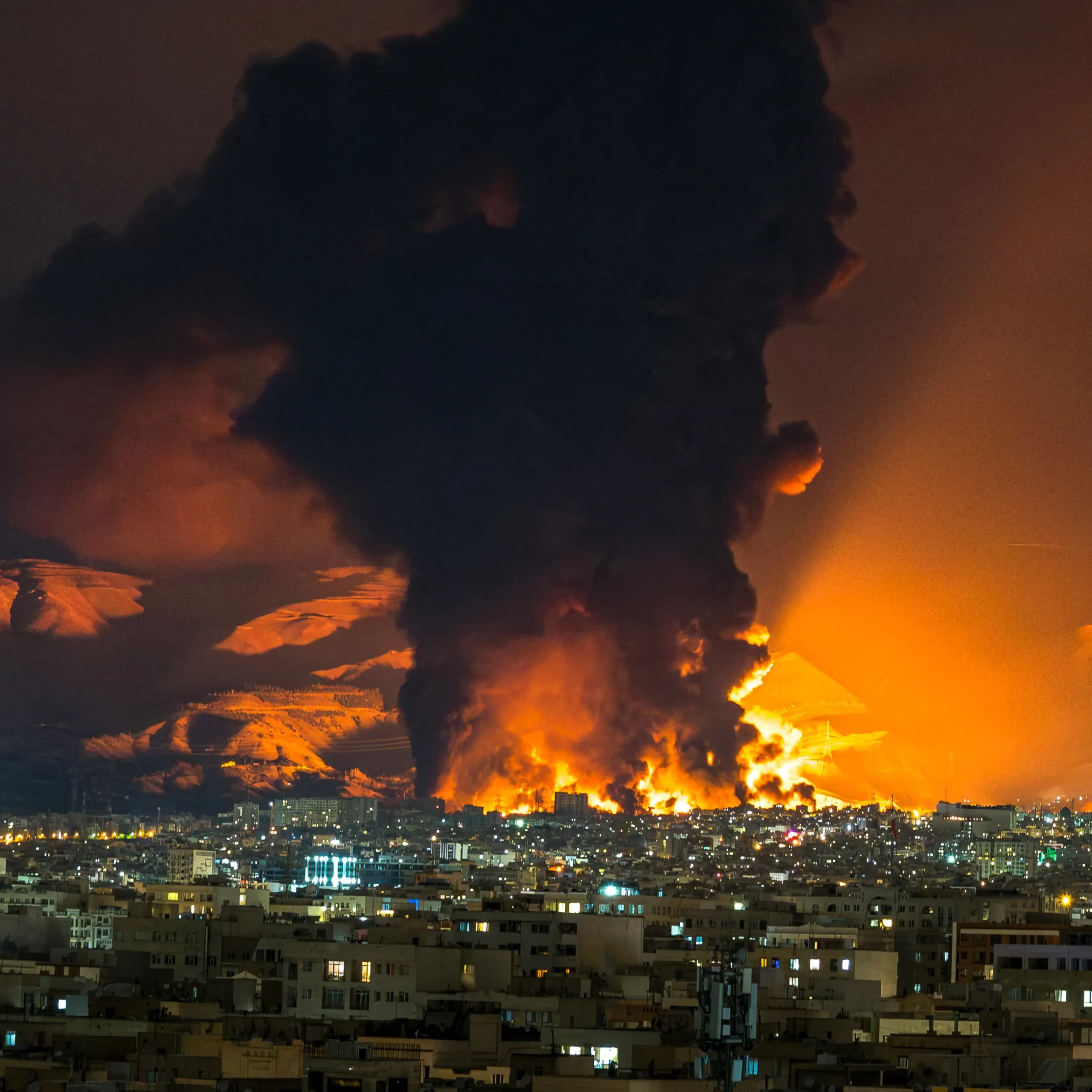
The rising energy supply disruption risk is closely tied to broader geopolitical tensions involving multiple nations in the Middle East. As conflicts intensify, the likelihood of infrastructure becoming a target increases.
Modern conflicts are increasingly affecting economic and civilian systems, expanding the scope of impact beyond traditional battlefields.
This trend highlights the importance of addressing both security and humanitarian considerations.
Economic Consequences and Supply Chain Effects
The economic implications of energy supply disruption risk are significant. Disruptions to energy infrastructure can cascade through global supply chains, affecting industries and consumers alike.
Businesses may experience:
- Higher operational costs
- Delays in production
- Reduced profitability
The potential for widespread economic disruption underscores the urgency of addressing these risks.
Strategic Importance of Energy Security
Energy supply disruption risk underscores the strategic importance of maintaining secure and reliable energy systems. Nations are increasingly prioritizing the protection of infrastructure to ensure stability.
Key measures include:
- Enhancing security around energy facilities
- Investing in resilient infrastructure
- Strengthening international cooperation
These efforts aim to mitigate risks and maintain continuity in energy supply.
What Lies Ahead?
The trajectory of energy supply disruption risk will depend on how regional and global actors respond to current tensions. While diplomatic efforts continue, the situation remains uncertain.
Key developments to watch:
- Changes in military strategies
- Progress in diplomatic negotiations
- Implementation of protective measures
The coming weeks will be critical in shaping the outcome.
A Growing Global Concern
Energy supply disruption risk is becoming a defining issue in the current geopolitical landscape. Qatar’s warning highlights the urgent need to protect critical infrastructure and prevent further escalation.
In summary:
- Energy supply disruption risk is rising amid Middle East tensions
- Critical infrastructure faces increasing threats
- Economic and humanitarian impacts could be severe
- Global cooperation is essential to prevent escalation