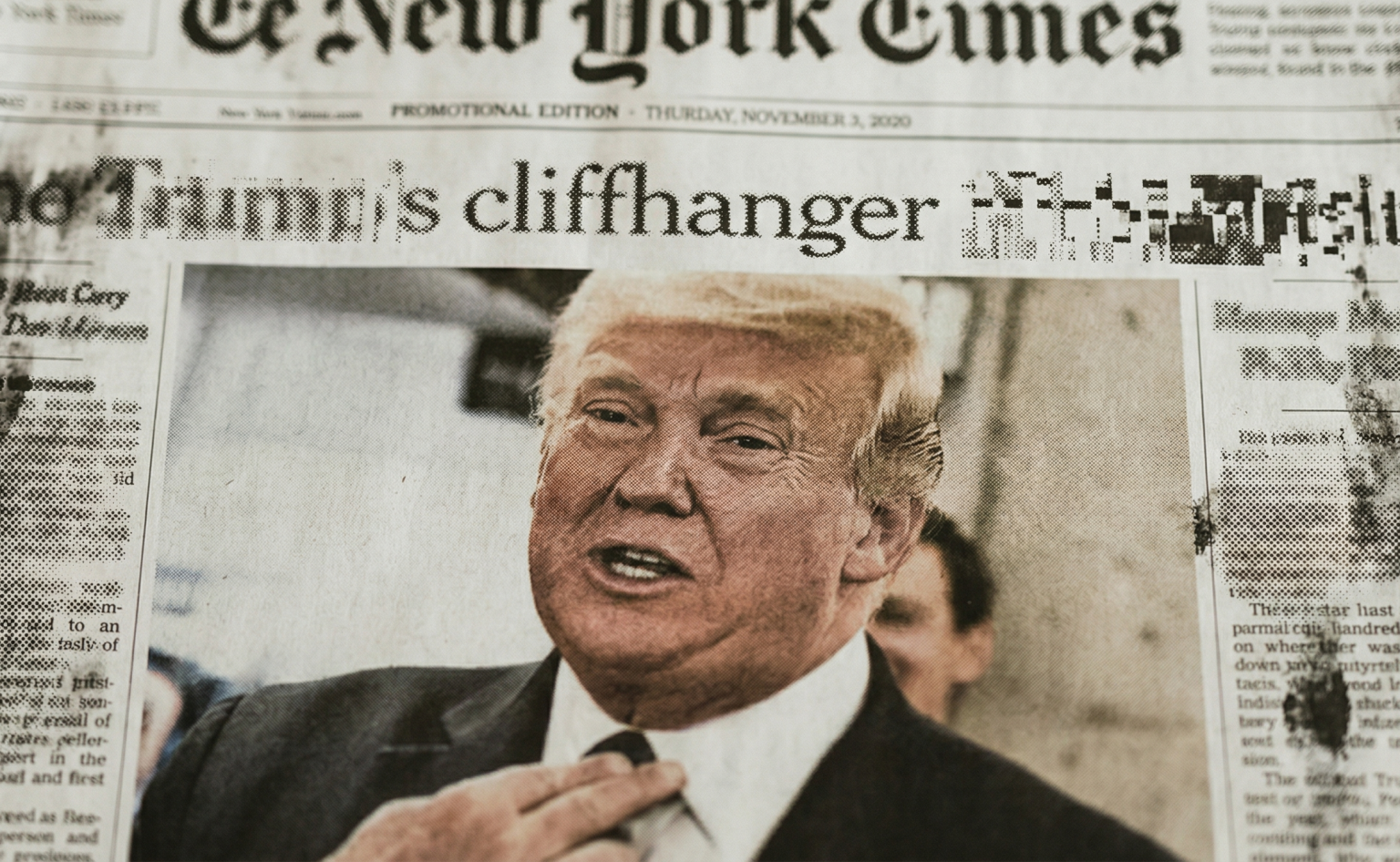
Washington, April 5, 2026 — Brussels Morning Newspaper — The Trump administration has intensified its pressure on Tehran with a definitive deadline for Iran to reopen the Strait of Hormuz, a vital artery for global oil and LNG shipments. The President specified Tuesday, 8:00 P.M. Eastern Time, warning that failure to comply could lead to the destruction of bridges and power plants across Iran. This ultimatum comes amid escalating military losses, previous postponed deadlines, and ongoing mediation attempts. The closure of the Strait of Hormuz has already triggered a near-total disruption in tanker traffic and a sharp rise in crude oil prices, underscoring the waterway’s strategic importance for both Europe and the United States.
Trump Sets Final Deadline for Strait of Hormuz
President Donald Trump has issued a decisive ultimatum for Iran to reopen the Strait of Hormuz, a key maritime chokepoint in the Persian Gulf. The announcement comes amid rising tensions after the 2026 Iran War, which has seen extensive U.S.-Israeli military actions targeting Iran’s nuclear and military infrastructure. Trump shared the deadline on Truth Social and in a Wall Street Journal interview, specifying that Iran must act by Tuesday, 8:00 P.M. Eastern Time, or face severe consequences.
This latest move underscores the critical nature of the Strait of Hormuz, through which nearly 20% of the world’s oil and a significant portion of liquefied natural gas (LNG) shipments pass. Its closure has already disrupted global energy markets, doubling crude oil prices and prompting urgent discussions among international policymakers.
Strategic Importance of the Strait of Hormuz
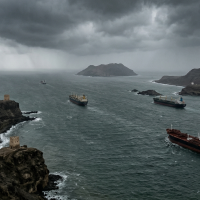
The Strait of Hormuz is one of the world’s most strategically vital maritime passages. Its narrow waters, just 21 miles at the chokepoint, make it highly vulnerable to military control and disruption. Since February, Iran’s Islamic Revolutionary Guard Corps (IRGC) has restricted shipping through the strait, permitting safe passage primarily to vessels from non-allied countries such as China while threatening to target ships linked to the U.S. and Israel.
The disruption has caused global tanker traffic to plummet by nearly 95%, creating severe supply chain challenges and accelerating crude oil price surges. Analysts warn that any prolonged closure of the Strait of Hormuz could trigger a sustained energy crisis affecting markets across Asia, Europe, and North America.
Trump’s Escalating Threats
Trump’s deadline represents the latest in a series of warnings aimed at pressuring Iran. Previous ultimatums, including deadlines in late March and early April, were postponed amid diplomatic mediation efforts. On Truth Social, Trump referred to the upcoming Tuesday as
“Power Plant Day, and Bridge Day, all wrapped up in one,”
signaling the scale of potential military action if Iran fails to comply.
In an interview, the President stressed that failure to reopen the Strait of Hormuz would result in destruction targeting every Iranian power plant and bridge. This rhetoric emphasizes the high stakes surrounding this strategic waterway and reflects a shift from diplomatic pressure to military threats.
Global stakes of the deadline
The Trump deadline dramatically raises the stakes for both regional stability and global markets. For Europe and the U.S., the Strait of Hormuz is more than a strategic waterway; it is a lifeline for energy security, and any disruption threatens economic ripple effects far beyond the Gulf. Analysts warn that even a short-term closure could spike oil prices, disrupt shipping, and complicate diplomatic relations with allies reliant on Gulf energy. Beyond economics, the ultimatum signals an unpredictable approach to crisis management, leaving nations to weigh the risks of escalation. How Tehran responds could reshape regional alliances and influence U.S. foreign policy calculations for years to come.
Iran’s Military Response
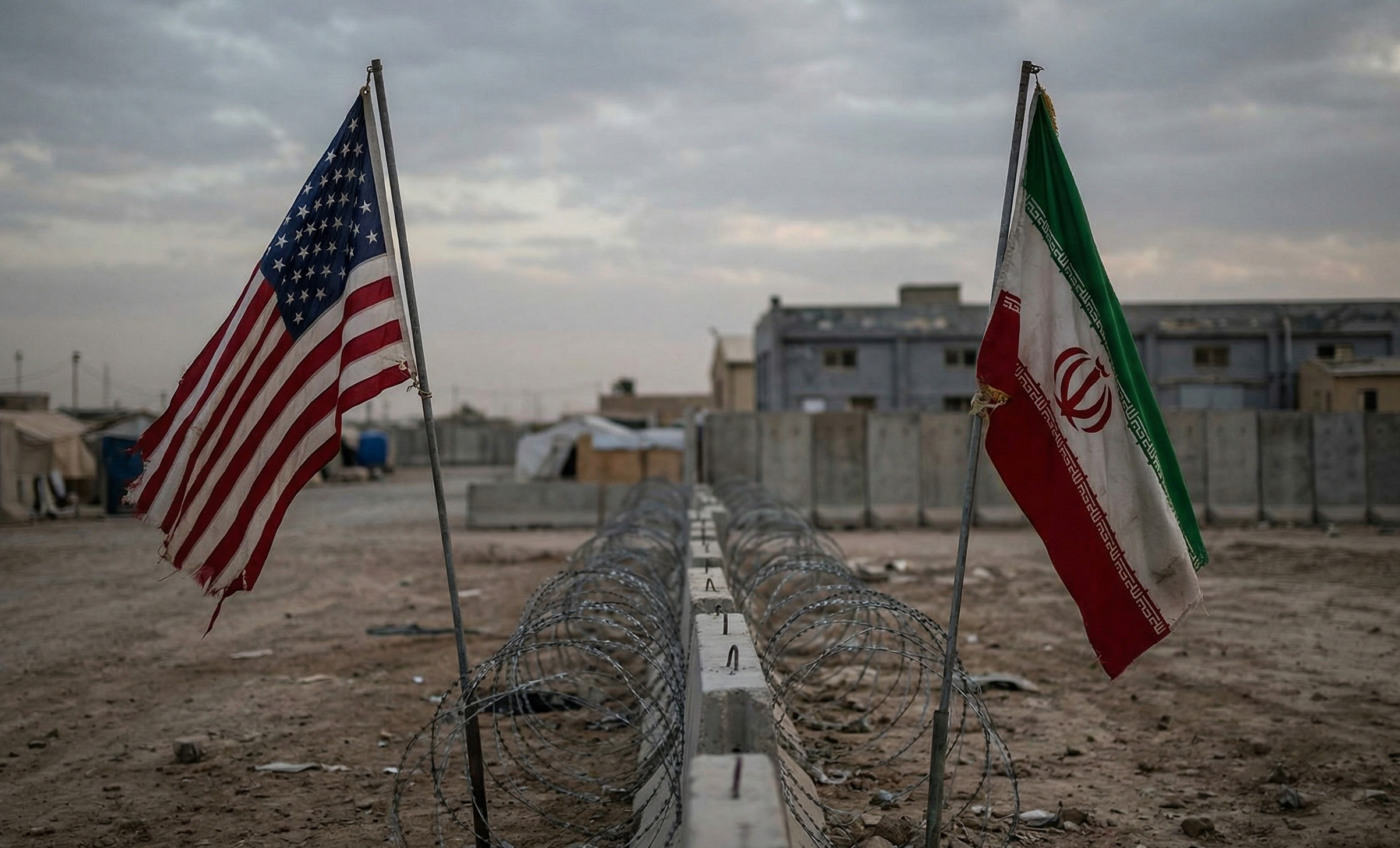
Iran has reinforced its presence along the Strait of Hormuz, deploying naval mines, drone boats, and missile systems to monitor and control maritime traffic. The IRGC has selectively allowed vessels from certain countries to transit, while maintaining a clear deterrent against U.S. and Israeli-linked ships. Recent confrontations, including the downing of U.S. aircraft, have escalated tensions and brought the Strait of Hormuz into the center of a potential regional flashpoint.
Military analysts note that Iran’s control of the Strait of Hormuz provides Tehran with significant leverage. Any disruption of the strait can have immediate global consequences, affecting energy prices, international shipping schedules, and the security of allied forces operating in the Gulf.
Economic and Global Implications
The closure of the Strait of Hormuz has had profound economic repercussions. Crude oil prices, which were previously near $65 per barrel, have now surged past $120. The international shipping industry has been forced to reroute vessels, increasing transit times and costs. Nations dependent on Gulf energy exports face growing energy insecurity, and global markets remain on high alert as the Tuesday deadline approaches.
Civilian casualties in Iran from ongoing U.S.-Israeli strikes have exceeded 2,000, targeting bridges, power plants, and petrochemical facilities. Meanwhile, proxy groups such as Hezbollah in Lebanon and Houthi forces in Yemen have escalated attacks on regional shipping to amplify pressure on Iran, further complicating the strategic picture surrounding the Strait of Hormuz.
Diplomatic Efforts and Mediation
Despite the harsh rhetoric, Trump has indicated that there is still a “good chance” for a diplomatic resolution before the Tuesday deadline. Mediators are reportedly working to negotiate a safe reopening of the Strait of Hormuz, which would alleviate energy market volatility and reduce the risk of a full-scale regional conflict.
Diplomats warn that failure to meet the deadline could not only escalate military action but also draw in international actors, heightening the risk of broader instability in the Gulf and beyond. The Strait of Hormuz remains at the center of both military strategy and energy security concerns, making its status a key focus for policymakers worldwide.