UAE Signals Support for US-Led Hormuz Security
The UAE has indicated its willingness to join a US-led international effort to secure the Strait of Hormuz, a critical maritime corridor that carries nearly 20% of global oil exports. Presidential adviser Dr. Anwar Gargash emphasized that safeguarding the waterway is a shared global responsibility amid escalating regional tensions with Iran. The UAE’s move reflects growing concerns about the impact of Iran’s blockade on energy markets and global trade.
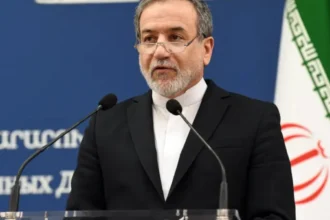
Dr. Gargash warned that Iran’s regional strategy strengthens both the United States and Israel’s influence in the Gulf. “The Iranian strategy will actually concretise the American role,” he said, noting that the UAE views coordinated international action as essential to maintaining regional stability.
Strategic Importance of the Strait
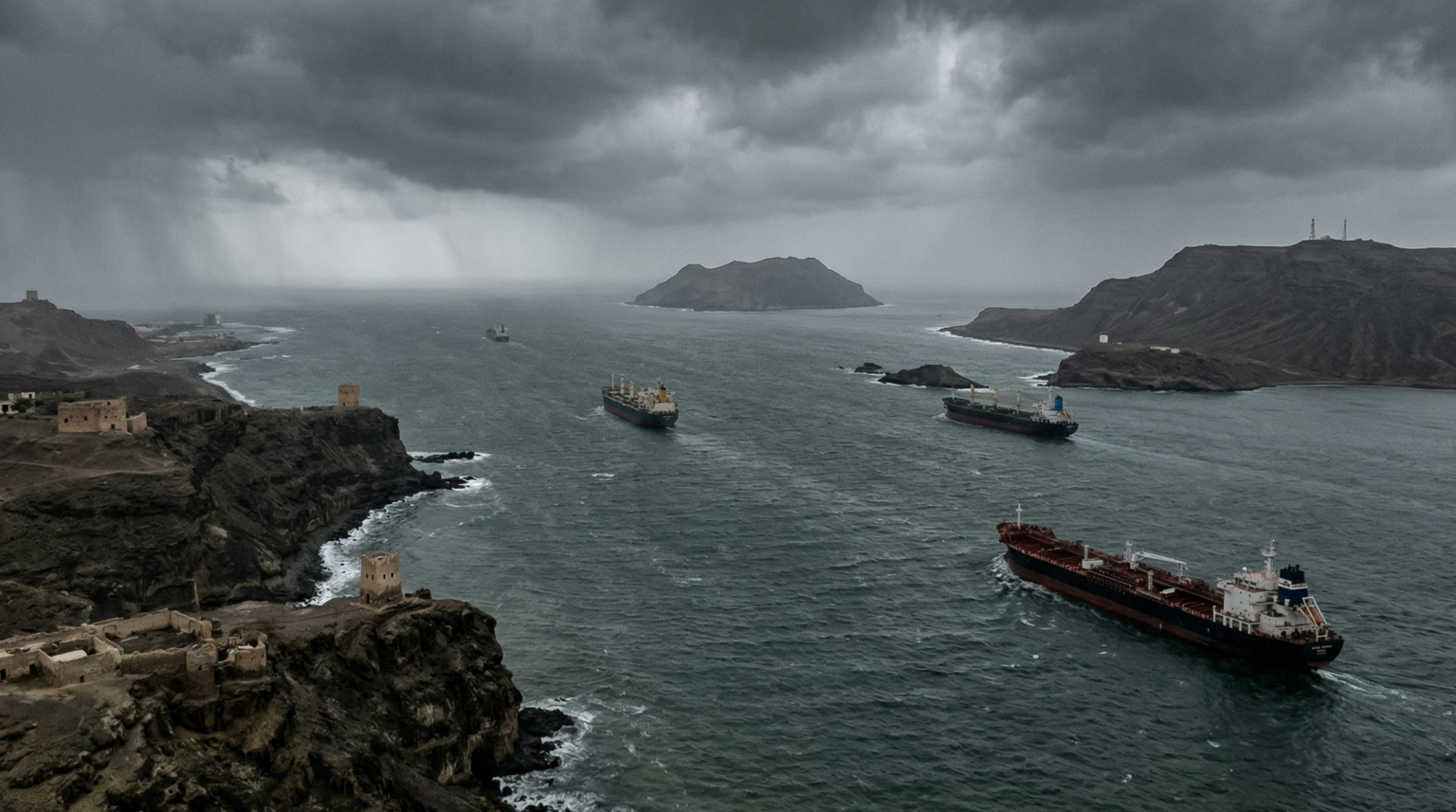
The Strait of Hormuz is one of the world’s most vital shipping lanes, connecting the Persian Gulf to the Gulf of Oman and the Arabian Sea. Nearly one-fifth of global oil and liquefied natural gas passes through the strait, making its security crucial not only for the UAE but for the global energy market. Iran’s repeated threats and partial closures have triggered oil price surges, with Brent crude surpassing $108 per barrel in recent weeks.
By joining the US-led initiative, the UAE aims to ensure uninterrupted commercial shipping and energy flow. The country’s strategic location and its role as a major oil exporter position it as a key player in maintaining maritime security in the Gulf.
Coordinated International Approach
Gargash highlighted that international collaboration is necessary to secure the Strait of Hormuz. The UAE is encouraging participation from countries across Asia, Europe, and the Middle East, including China. While no formal plan has been finalized, the UAE has actively engaged with allies to develop a coordinated approach to maritime security.
Several U.S. allies have indicated reluctance to deploy forces to reopen the strait until hostilities between the U.S., Israel, and Iran conclude. France has held discussions with more than 35 nations to explore proposals for a mission, while UAE and Bahrain are collaborating on a U.N. Security Council resolution to provide an international mandate for future operations.
UAE role shapes Gulf security and global energy
The UAE’s willingness to engage in a US-led effort to secure the Strait of Hormuz signals a potential shift in the broader geopolitical balance of the Gulf. For Europe and the United States, this move could provide a critical partner in stabilizing one of the world’s most strategically important shipping lanes, easing energy market volatility and safeguarding supply chains. It also underscores the UAE’s growing role as a security broker, capable of influencing both regional and global responses to Iranian assertiveness. Looking ahead, increased UAE involvement may pressure other Gulf states to clarify their positions and could shape diplomatic leverage in upcoming negotiations at the UN Security Council.
Response to Iranian Threats
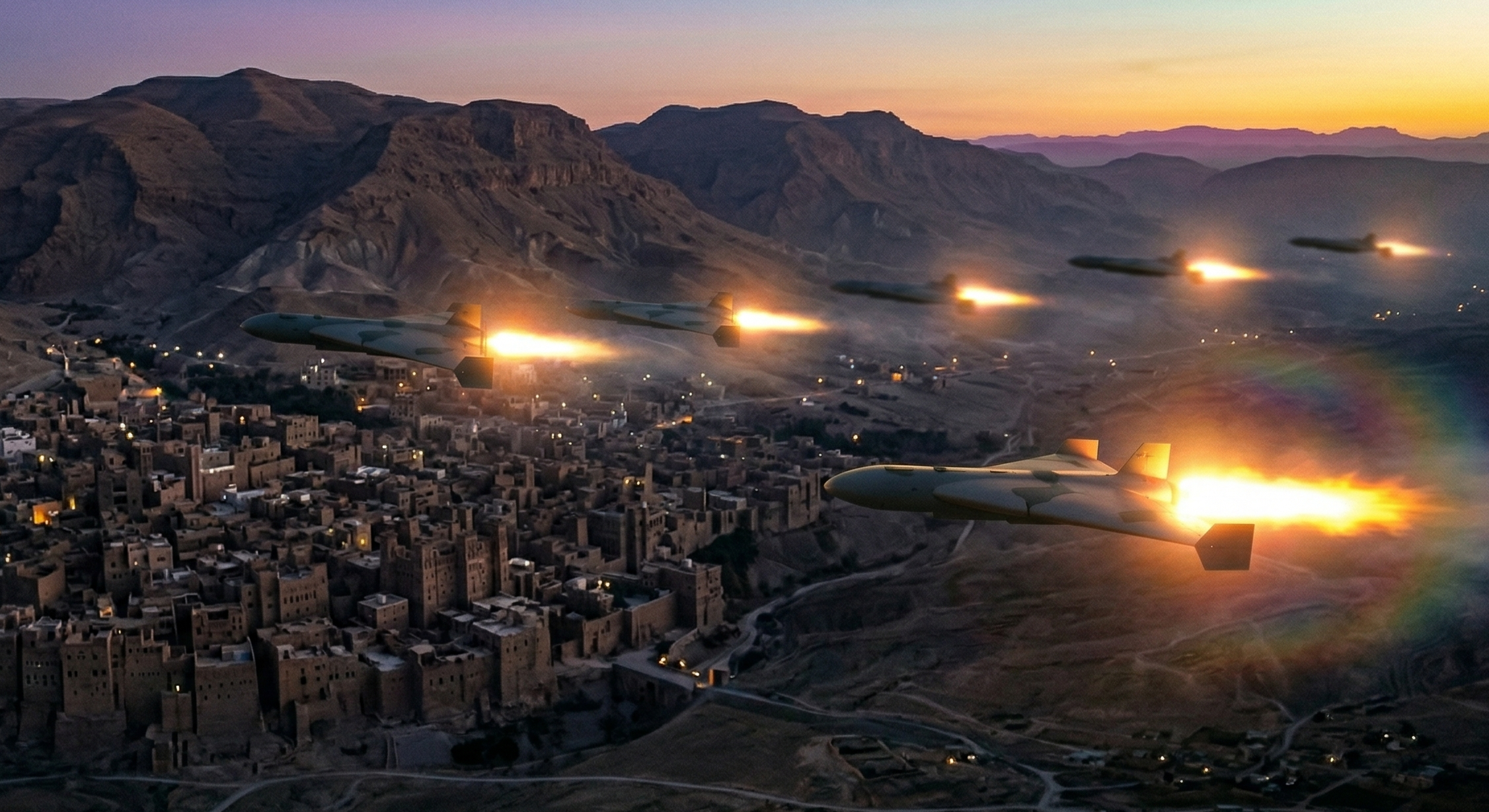
The UAE’s decision is motivated by repeated Iranian attacks on its territory and key infrastructure. Ports crucial for oil exports have been targeted, and commercial shipping through the Strait of Hormuz has declined sharply. These disruptions have caused economic damage and heightened the urgency for international action.
While the UAE is prepared to participate in the US-led effort, officials stressed that it will not act unilaterally. The focus is on a collaborative approach to prevent Tehran from using nuclear or missile capabilities to intimidate the region. Gargash stated that ensuring the free flow of trade and energy is a shared responsibility, reflecting UAE’s commitment to both regional and global stability.
Economic and Global Implications
The blockade of the Strait of Hormuz has had far-reaching consequences for the UAE and the international community. As a major oil exporter and trade hub, the UAE faces significant economic exposure from halted shipping and elevated oil prices. By supporting the US-led effort, the UAE aims to protect critical maritime routes and safeguard global energy supplies.
Analysts note that any escalation in the Gulf could affect oil markets worldwide, increase shipping costs, and exacerbate inflationary pressures. The UAE’s willingness to coordinate with international partners demonstrates its recognition of the broader stakes involved in securing the strait.
Diplomatic Significance of UAE’s Move
The UAE’s participation in the US-led effort carries significant diplomatic weight. As a trusted regional partner, its involvement signals a commitment to collective action while reinforcing its influence in shaping regional security policies. Gargash emphasized that the UAE’s support is measured and carefully calculated to avoid unnecessary confrontation with Iran while promoting stability in the Gulf.
By joining a coalition, the UAE also positions itself as a mediator and key facilitator in broader diplomatic efforts. Its proactive stance underscores a shift toward a more assertive foreign policy designed to counter Iranian threats while reinforcing alliances with the United States and other global powers.
Maritime Security and Regional Stability
Securing the Strait of Hormuz is critical not only for the UAE but for global trade and energy markets. The US-led effort, supported by the UAE, aims to provide a stable framework for commercial shipping, reduce the risk of further escalation, and prevent Iran from exploiting regional vulnerabilities.
The UAE’s decision to participate in the US-led effort marks a pivotal moment in Gulf security. With ongoing diplomatic coordination, international cooperation, and careful strategic planning, the UAE is demonstrating its commitment to protecting the Strait of Hormuz and ensuring that global trade and energy flows remain uninterrupted.