IDF Targets Iranian Petrochemical Facilities
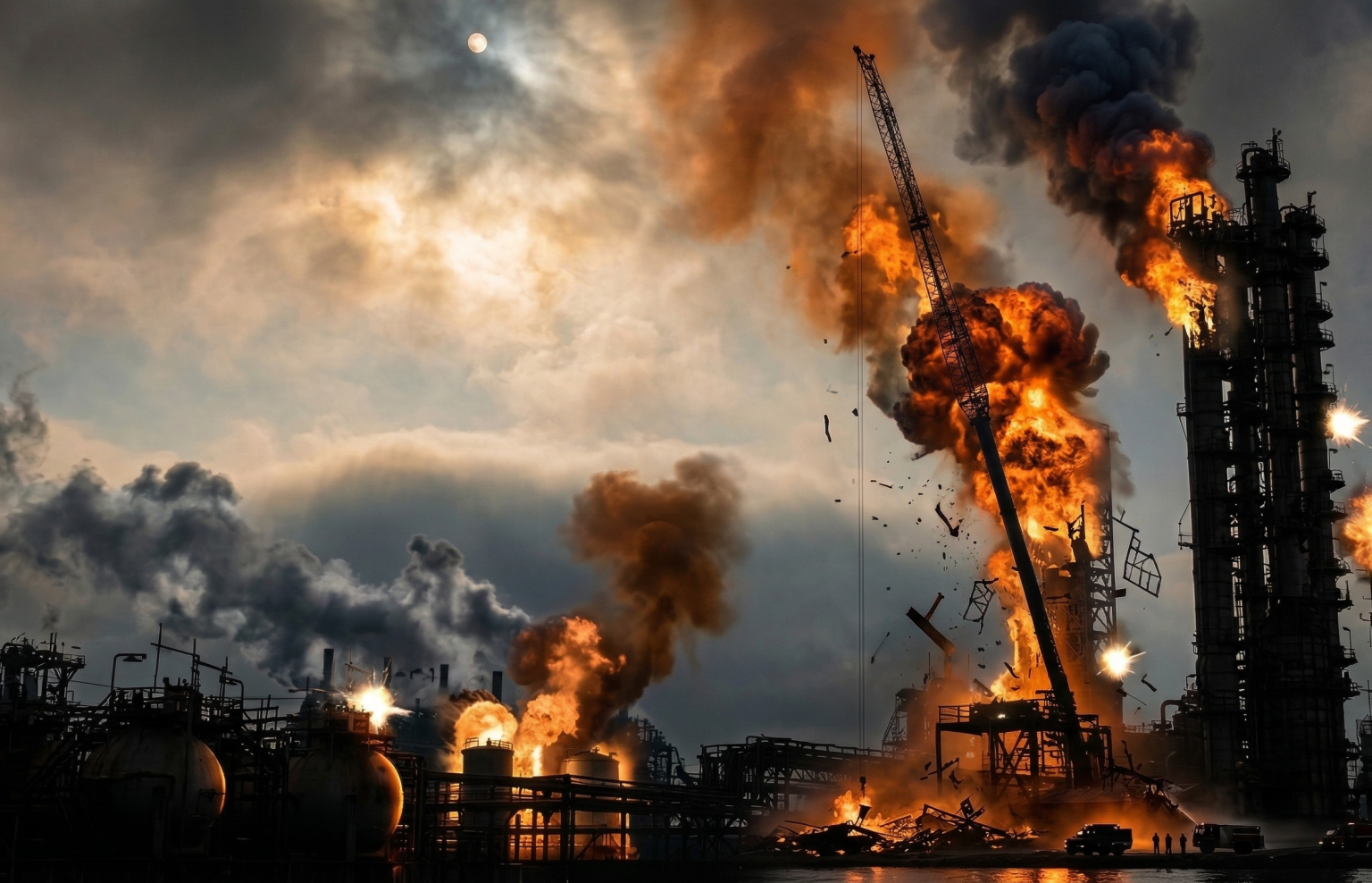
The Israel Defense Forces (IDF) confirmed precision airstrikes on Iranian petrochemical facilities in southern Iran, specifically in Khuzestan Province, earlier today. The military stated that these sites were used by the Iranian regime to manufacture critical materials for ballistic missiles. According to the IDF, the operations successfully halted production at several key facilities, inflicting both strategic and financial damage.
The strikes are part of a new Israeli military approach, which prioritizes targeting Iranian petrochemical facilities and other economic infrastructures rather than solely military installations. The IDF stressed that these measures aim to disrupt the regime’s capacity to produce chemical precursors essential for advanced weaponry.
Locations and Specific Targets
The primary targets included the Mahshahr Petrochemical Special Zone and the Bandar Imam Petrochemical Complex, both located in southwestern Khuzestan Province. Specific facilities affected include the Fajr, Rejal, and Amir-Kabir plants, which the IDF identified as critical for producing materials used in ballistic missile development.
Local reports from the region indicate that the strikes caused widespread damage, including a total power outage across all petrochemical facilities in Mahshahr. Iranian state media confirmed that five individuals were wounded in the operation. The IDF anticipates that the combined operational and economic impact of striking these Iranian petrochemical facilities will cost the regime billions of dollars.
Halt in Missile Material Production
The IDF confirmed that all production of chemical precursors for ballistic missiles at the targeted sites has been completely halted. Officials explained that disrupting Iranian petrochemical facilities is intended to weaken the regime’s missile programs and limit Tehran’s ability to manufacture advanced weapons.
Military analysts note that these operations represent a strategic pivot, combining precision strikes with an economic dimension. By focusing on Iranian petrochemical facilities, Israel aims to reduce Iran’s military capabilities without triggering the same level of direct combat risks associated with conventional attacks.
Impact on Global Energy and Security Landscape
The IDF’s strikes on Iranian petrochemical facilities mark a significant escalation in the use of economic leverage as a tool of military strategy, with reverberations beyond the Middle East. For Europe and the United States, these attacks complicate energy security and global supply chains, particularly for petrochemical exports that underpin industries from plastics to pharmaceuticals. Analysts warn that repeated targeting of economic infrastructure could provoke retaliatory measures against shipping routes in the Persian Gulf, raising insurance costs and heightening geopolitical tensions. Looking ahead, sustained disruption of Iran’s industrial base may pressure Tehran politically but risks further destabilizing a region already under strain, forcing Western powers to weigh security commitments carefully.
Strategic Intent Behind Targeting Economic Sites
Israel’s political leadership instructed the IDF to shift its focus to economic targets in Iran, including petrochemical plants. The strategy is designed to inflict maximum financial harm while simultaneously disrupting critical military supply chains. According to reports, the damage from these strikes is expected to affect Iran’s broader industrial sector and create long-term setbacks for missile production programs.
These Iranian petrochemical facilities are central to the production of chemical materials that can be adapted for weapons manufacturing. Analysts suggest that targeting these sites represents a calculated effort to combine military precision with financial pressure, amplifying the operational and diplomatic effects of Israeli strikes.
Regional Tensions and International Implications
The airstrikes on Iranian petrochemical facilities in Khuzestan occur amid escalating regional tensions. Earlier this year, U.S. President Donald Trump issued a 48-hour ultimatum for Iran to negotiate a deal or face broader consequences, including disruptions in critical shipping routes such as the Strait of Hormuz.
Observers argue that the IDF’s operations could trigger retaliatory actions by Iran or its regional allies. The focus on Iranian petrochemical facilities reflects a wider strategy to apply economic and technological pressure, potentially shaping Tehran’s decision-making in ongoing diplomatic negotiations.
Infrastructure Damage and Economic Consequences
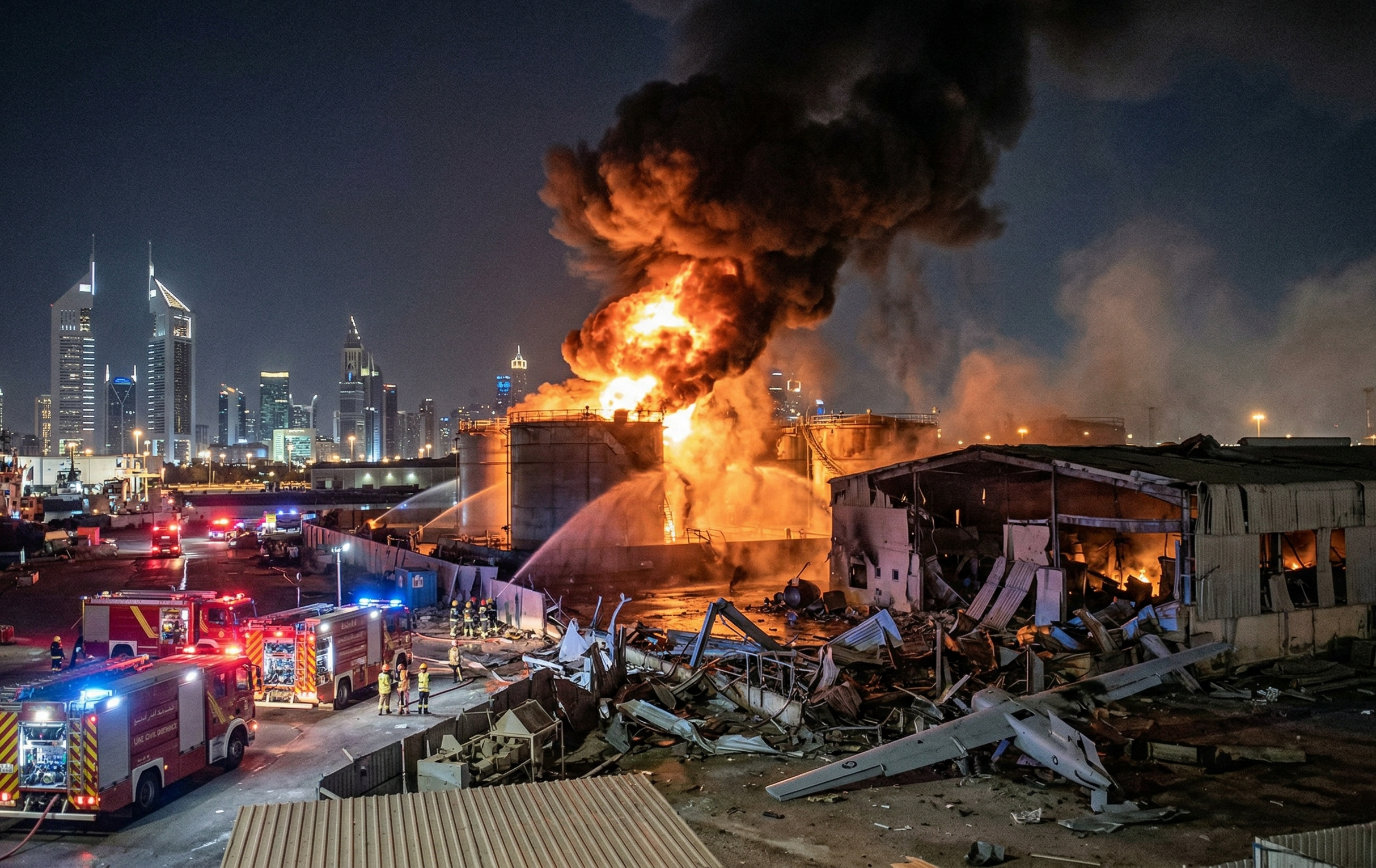
Reports from Khuzestan Province indicate that the strikes caused extensive infrastructure damage, including power failures, structural collapses, and disruption to transportation networks serving the petrochemical sector. The IDF claims that this level of damage will halt all chemical production at targeted sites, affecting both domestic and international supply chains.
Financial analysts estimate that the economic loss resulting from the destruction of Iranian petrochemical facilities may reach billions of dollars. By targeting economic assets rather than traditional military sites, Israel intends to undermine Tehran’s financial stability while simultaneously limiting its capacity to produce missile materials.
Response and Casualties
Iranian state media reported that five people were injured during the strikes, with no confirmed fatalities. Officials from Khuzestan Province confirmed that emergency services were deployed rapidly to contain fires and restore basic infrastructure.
The IDF described the operation as highly successful, emphasizing that the strikes achieved both operational and strategic objectives. By halting production at Iranian petrochemical facilities, Israel aims to reduce Iran’s military capabilities while sending a clear message regarding its readiness to target critical infrastructure.