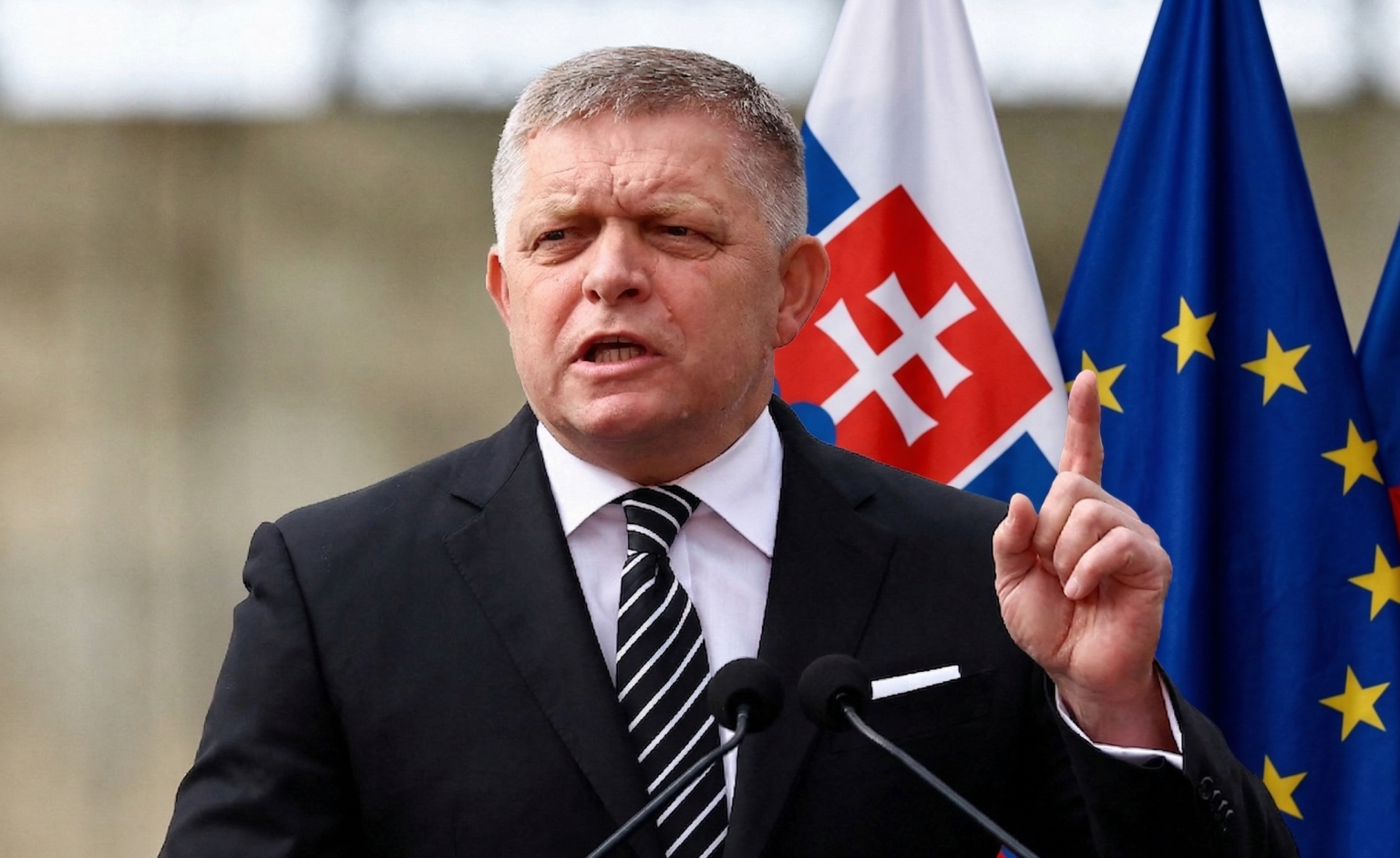
Bratislava, April 4, 2026 — Brussels Morning Newspaper — Slovak Prime Minister Robert Fico has urged the European Union to reconsider and end EU sanctions on Russia, citing severe energy disruptions caused by the ongoing U.S.-Israel war on Iran. Following discussions with Hungarian Prime Minister Viktor Orbán, Fico emphasized the need to restore oil flows through the Druzhba pipeline and secure sufficient reserves for Central European countries reliant on Russian energy. He argued that continuing EU sanctions on Russia exacerbates global supply shortages and drives oil prices higher, leaving member states vulnerable to economic strain. Immediate diplomatic engagement with Moscow, Fico suggested, is crucial to stabilizing markets and mitigating the energy crisis.
Slovak PM Calls for Lifting Sanctions on Russia
Slovak Prime Minister Robert Fico has called on the European Union to lift EU sanctions on Russia, citing the severe energy crisis caused by the ongoing U.S.-Israel war on Iran. Speaking after a discussion with Hungarian Prime Minister Viktor Orbán, Fico emphasized that restoring energy flows and ensuring reliable oil and gas supplies are urgent priorities for Central Europe.
Fico highlighted that Slovakia and Hungary remain heavily dependent on Russian energy, unlike most EU countries that have significantly reduced imports.
“The EU must take immediate steps to safeguard energy security for member states,”
he said, stressing that maintaining the sanctions will worsen shortages and price volatility.
Energy Crisis Linked to Iran Conflict
The Slovak Prime Minister pointed out that the ongoing conflict in Iran has directly disrupted global oil supplies, affecting roughly 10–20% of worldwide production. Shipping blockages in the Strait of Hormuz have driven oil prices above USD 100 per barrel, creating mounting pressure on European economies.
According to Fico, the EU sanctions on Russia exacerbate the crisis by limiting access to alternative energy supplies. Lifting these sanctions could allow member states to replenish reserves more effectively and reduce price spikes. Energy analysts also note that Russia is among the main beneficiaries of current market conditions, along with other non-OPEC producers like Norway and Canada, though their output is limited.
Druzhba Pipeline Restoration Urgent
Fico stressed the importance of restoring oil flows through the Druzhba pipeline, which has faced recent disruptions. This pipeline is a lifeline for Slovakia, Hungary, and other Central European nations, providing critical Russian oil and gas supplies.
The Slovak Prime Minister urged the European Commission to resume dialogue with Moscow to secure energy deliveries. By lifting EU sanctions on Russia, Fico argued, member states could stabilize supply chains and avoid further economic strain.
Europe Faces Energy and Political Crossroads
Fico’s push to lift EU sanctions on Russia could signal a deeper fracture within the bloc, highlighting the tension between Central European energy dependencies and broader Western foreign policy objectives. If the EU acquiesces, it may ease short-term energy pressures but risk undermining its unified stance on Russia and Ukraine. For the United States, the move complicates efforts to isolate Moscow while managing the ripple effects of the Iran conflict. Long-term, Europe may face strategic recalibrations, balancing energy security against political cohesion, and prompting a potential rethink of how the EU handles crises where energy and geopolitics intersect so sharply.
Slovakia and Hungary’s Unique Energy Position
Slovakia and Hungary continue to rely heavily on Russian energy, while most EU countries have reduced imports to approximately 1%. This outlier position, Fico said, must be recognized when shaping energy policies.
He argued that coordinated European action is needed to prevent shortages in countries with high dependency on Russian oil and gas. The ongoing conflict in Iran has intensified this pressure, making the EU sanctions on Russia increasingly counterproductive.
Political Implications of Lifting Sanctions
Fico’s call to end EU sanctions on Russia also carries significant political implications. Renewed dialogue with Moscow could reduce tensions, stabilize prices, and strengthen European energy security.
The Slovak leader warned that failing to adapt EU policy could lead to economic instability across the region. By lifting the sanctions, member states would gain access to crucial energy resources while mitigating the effects of the US-Israel war on Iran.
Global Market Repercussions
Global markets have reacted strongly to disruptions in Iranian oil exports, with EU sanctions on Russia adding further strain. Experts suggest that easing restrictions could provide immediate relief to consumers and industries facing higher energy costs.
Fico emphasized that temporary relief is critical as oil prices remain volatile. Without adjustments to EU sanctions on Russia, Central Europe could face prolonged shortages, especially during peak demand periods.
Security and Energy Considerations
Ending EU sanctions on Russia, Fico argued, would not only stabilize the market but also enhance energy security. The Slovak Prime Minister said that European countries must ensure reliable access to oil and gas from all possible sources to prevent dependency risks.
He urged the European Commission to prioritize energy supply alongside diplomatic measures aimed at reducing conflict in Iran. By doing so, the EU could protect both its economies and strategic interests in a volatile global environment.
Strategic Dialogue with Russia Needed
Fico called for an immediate resumption of EU-Russia dialogue to facilitate energy supply agreements. He emphasized that the EU sanctions on Russia hinder flexibility in responding to sudden crises, such as the current disruption caused by the US-Israel war on Iran.
The Slovak Prime Minister suggested that removing the sanctions could open pathways for cooperation, ensuring that member states can secure the energy needed to weather geopolitical shocks.
Potential Benefits for European Consumers
Lifting EU sanctions on Russia could lower energy costs and reduce shortages, directly benefiting households and businesses. Fico highlighted that Central European countries, including Slovakia and Hungary, face the most immediate risks from energy supply disruptions.
The Slovak PM insisted that European policymakers consider both economic and social consequences when assessing energy restrictions, noting that stability in Russian oil and gas imports is critical for the region.