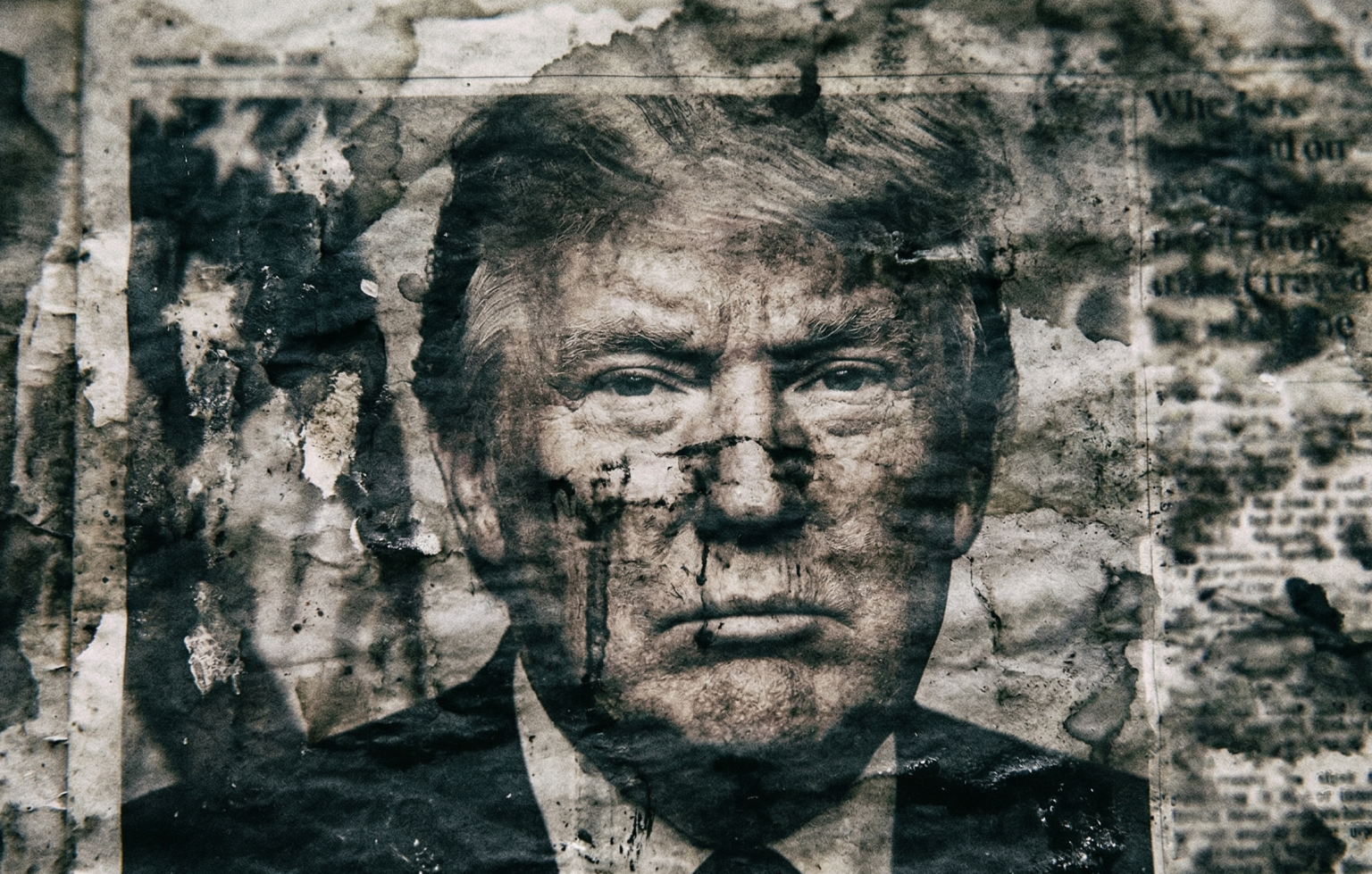
Washington, April 4, 2026 — Brussels Morning Newspaper — US President Donald Trump issued a decisive Trump ultimatum to Iran, giving Tehran 48 hours to either reopen the Strait of Hormuz or face potential US military strikes on energy and civilian infrastructure. The announcement follows escalating tensions, including the downing of a US F-15E and reported strikes on Iranian nuclear and petrochemical facilities. The Trump ultimatum emphasizes both urgency and leverage, highlighting the global stakes as oil prices surge above $100 per barrel. While Iran has signaled limited openness to mediation through Pakistan, the standoff remains tense, with the international community closely watching Tehran’s next move.
Trump Issues 48-Hour Ultimatum to Iran
In Washington D.C., US President Donald Trump issued a final 48-hour Trump ultimatum to Iran, demanding that Tehran either “make a deal” or fully reopen the Strait of Hormuz. The president’s warning, posted on Truth Social, stated that “all hell will reign down” if Iran fails to comply. This announcement comes amid heightened tensions after weeks of US and Israeli strikes on Iranian energy and nuclear sites, and reports of a US F-15E Strike Eagle being downed over Iranian airspace.
“Remember when I gave Iran ten days to MAKE A DEAL or OPEN UP THE HORMUZ STRAIT. Time is running out – 48 hours before all hell will reign (sic) down on them, “Glory be to GOD!”
Trump writes on Truth Social.
The Strait of Hormuz is a crucial artery for global oil shipments, and its partial closure has already pushed oil prices above $100 per barrel. The Trump ultimatum emphasizes the administration’s insistence on immediate compliance, underscoring the geopolitical stakes for the region and the global economy.
Strategic Significance of the Strait of Hormuz
The Strait of Hormuz is one of the most important global shipping lanes for oil and gas. Any disruption threatens worldwide energy security. The Trump ultimatum highlights Washington’s focus on Iran’s responsibility to ensure safe and unrestricted passage.
While Iran has indicated some willingness to explore mediation through Pakistan, it has rejected prior US proposals as “one-sided and unfair.” The Trump ultimatum is intended to force a swift decision, signaling that diplomacy will be paired with the threat of military action.
Recent Military Escalations
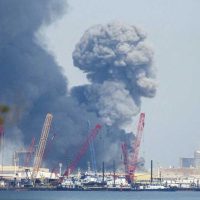
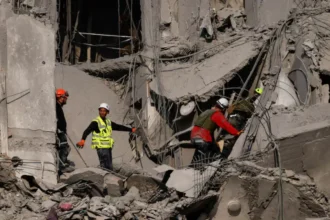
The last month has seen a series of military incidents between the US and Iran. US and Israeli strikes reportedly targeted Iranian nuclear and petrochemical facilities in Bushehr and Khuzestan. Meanwhile, Iran claims to have downed a US F-15E fighter jet.
The Trump ultimatum is a continuation of this strategy, combining pressure with diplomacy. Analysts warn that military strikes on Iran’s energy infrastructure could have severe repercussions, both regionally and globally, particularly for energy markets.
Global implications of the Trump ultimatum
The Trump ultimatum to Iran marks a pivotal moment with potential ripple effects far beyond the Middle East. For Europe, prolonged disruptions in the Strait of Hormuz could intensify energy insecurity, driving up gas and oil prices and complicating already fragile post-pandemic supply chains. In Washington, the stance signals a continued willingness to leverage military threats alongside diplomacy, raising questions about US credibility and risk tolerance in future international negotiations. Analysts also note that how Tehran responds could reshape regional alliances and influence broader US-Iran relations, with potential long-term consequences for global energy markets and the strategic calculus of neighboring powers like Saudi Arabia, Israel, and Pakistan.
Economic Impact of Iran’s Response
The closure of the Strait of Hormuz has already had an immediate economic effect. Oil prices have surged, causing concerns about inflation and global supply chain stability. The Trump ultimatum underscores the potential economic consequences if Iran fails to comply.
Global investors and energy markets are closely watching Iran’s response. A failure to meet the ultimatum could escalate the conflict and lead to further instability in international energy markets, emphasizing the high stakes of the Trump ultimatum.
Diplomatic Channels and Mediation
Despite the severity of the Trump ultimatum, behind-the-scenes diplomacy continues. Pakistan and other regional actors have attempted to mediate, although progress has been limited. Iran appears cautious, signaling interest in discussion while rejecting proposals that it perceives as biased.
The UN Security Council is expected to vote on a resolution concerning the safety of the Strait of Hormuz. This adds international scrutiny to Iran’s next moves and places additional pressure on Tehran to respond before the 48-hour deadline expires.
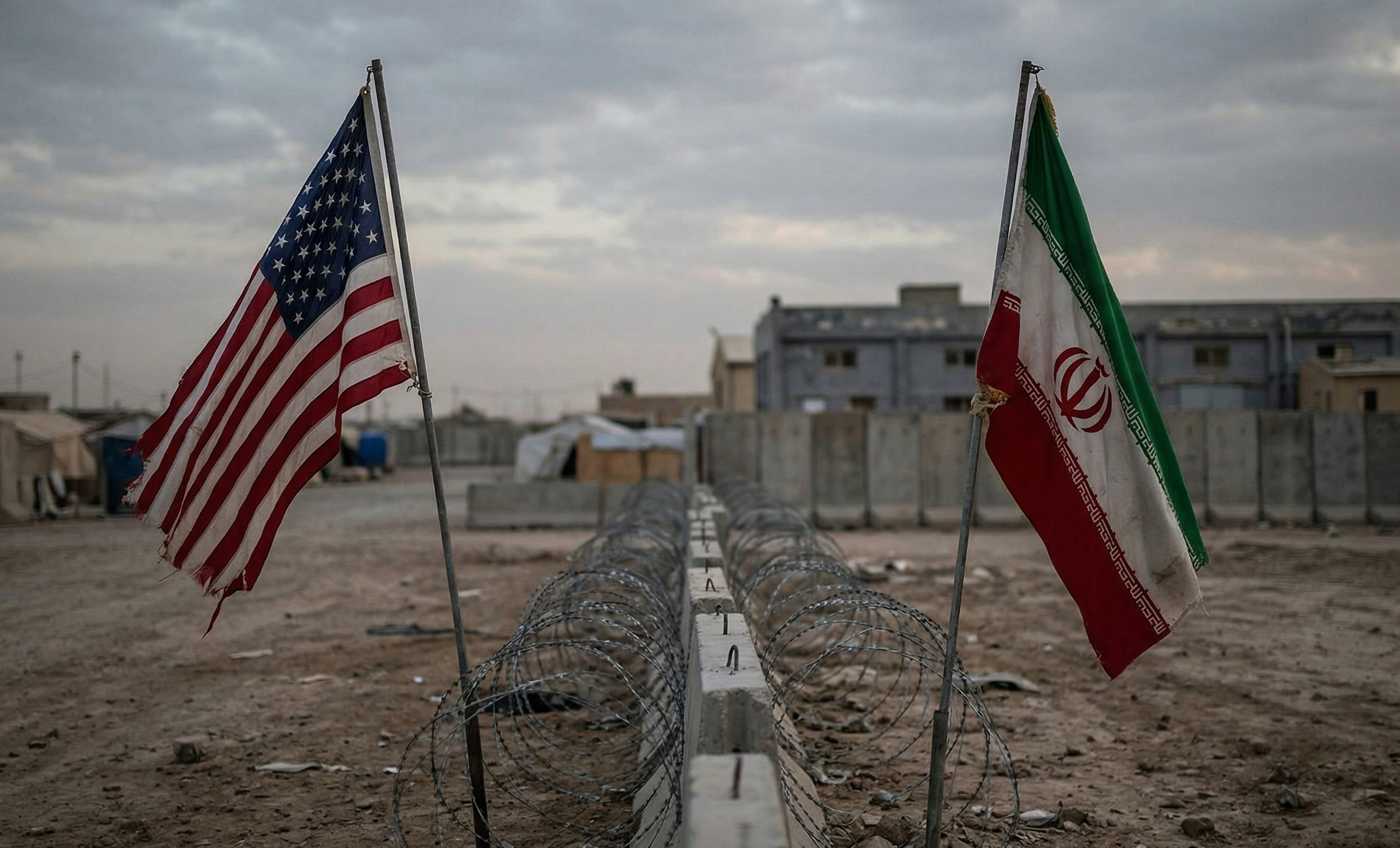
Global Repercussions and Middle East Stability
If Iran fails to comply with the Trump ultimatum, military strikes could target energy infrastructure, including power plants and bridges. This would likely escalate tensions in the Middle East, potentially drawing in other nations and destabilizing the region further.
The Trump ultimatum is therefore not just a local issue but a global one, affecting energy markets, international diplomacy, and the broader geopolitical landscape. Governments and corporations worldwide are monitoring developments in Tehran and Washington closely.
Analysis of Iran’s Potential Options
Iran faces a difficult choice: comply with the Trump ultimatum or risk confrontation. Compliance could prevent military escalation and stabilize oil markets, but it may be viewed domestically as a concession to foreign pressure.
Non-compliance risks military action, further sanctions, and intensified international scrutiny. Analysts suggest that Iran’s leadership will weigh both the economic and strategic costs before making a decision in the next 48 hours.
The Role of US Domestic Politics
The Trump ultimatum also carries domestic political implications. President Trump has framed the ultimatum as a decisive stance on energy security and Middle East policy. Supporters argue it demonstrates strength and leadership, while critics warn that it could trigger unnecessary conflict.
The administration has emphasized that the Trump ultimatum is a calculated measure, intended to give Iran a clear choice and avoid prolonged uncertainty that could destabilize the region further.
Next Steps and Global Watch
The next 48 hours are critical. The world is watching to see whether Iran will respond to the Trump ultimatum by opening the Strait of Hormuz or face potential military action. Energy markets, diplomatic channels, and international organizations are all on high alert.
Failure to act could escalate tensions and lead to military engagement with far-reaching consequences. The Trump ultimatum reflects the intersection of diplomacy, military strategy, and global economic interests, highlighting the high-stakes nature of international relations in the Middle East.