Tehran, Iran, April 04, 2026 (Brussels Morning Newspaper) Shahid Beheshti University damage has become one of the most alarming developments in the ongoing regional escalation, drawing international attention to the impact of military actions on civilian infrastructure. The unfolding situation highlights how conflict is increasingly affecting civilian zones, particularly academic institutions that serve as centers of knowledge and progress.
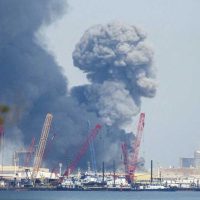
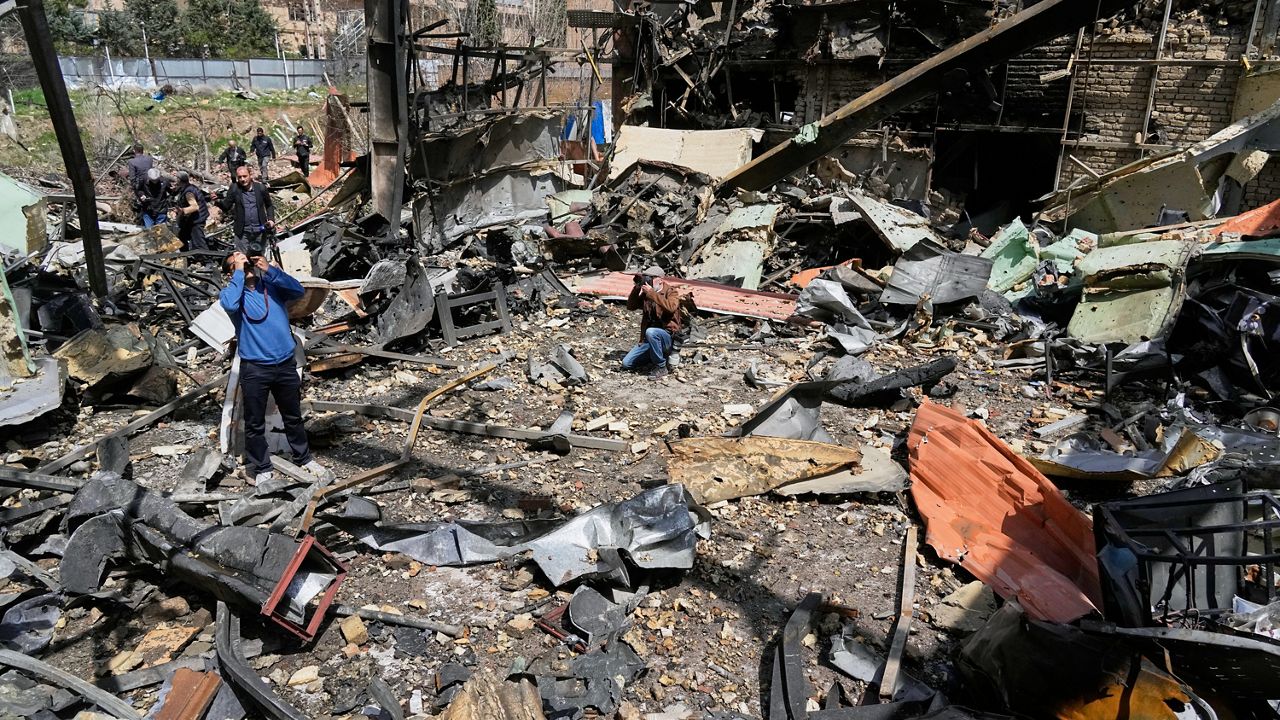
Initial visuals from the area show significant destruction across parts of the campus. Emergency teams have been seen navigating debris while authorities work to determine the full scale of Shahid Beheshti University damage. The incident has quickly become a defining moment in global news coverage.
Campus Devastation Signals Deepening Crisis
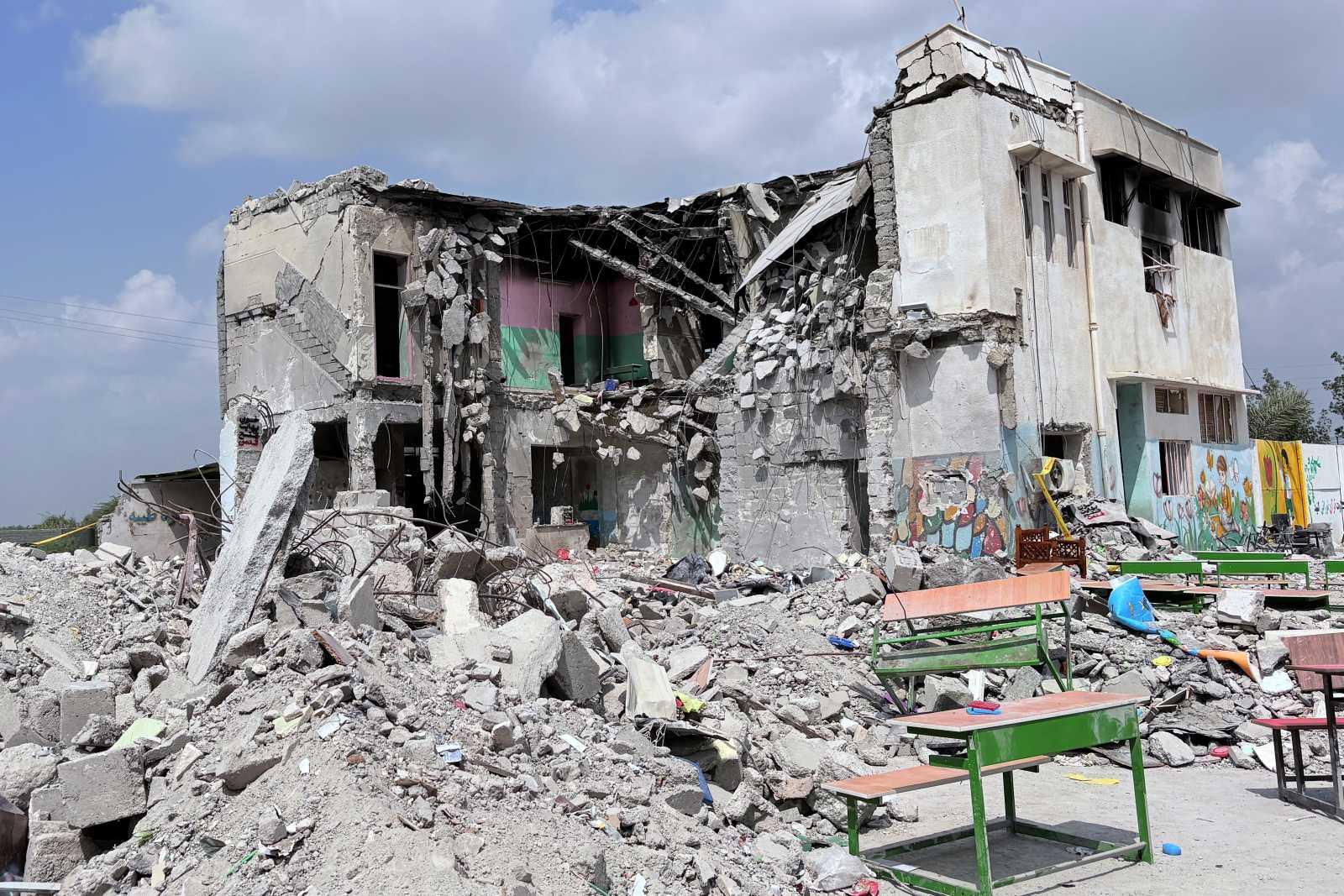
The scale of Shahid Beheshti University damage has shocked both local residents and international observers. Several buildings have sustained heavy structural damage, with parts of the campus reportedly reduced to rubble.
Eyewitnesses described loud explosions followed by dense smoke covering large sections of the university. The Shahid Beheshti University damage includes destruction to lecture halls, administrative offices, and research facilities, each of which plays a vital role in academic life.
Officials continue to assess whether the university was directly targeted or impacted by nearby strikes. Regardless, Shahid Beheshti University damage stands as one of the most visible consequences of the ongoing escalation.
Students and Faculty Face Immediate Disruption
The human toll of Shahid Beheshti University damage is significant. Thousands of students and faculty members have been displaced, leaving behind classrooms, research labs, and academic projects.
Hospitals in surrounding areas have reportedly treated individuals with injuries linked to the incident. Beyond physical harm, the emotional impact of Shahid Beheshti University damage is profound, with students expressing uncertainty about their future.
One student shared a powerful reflection:
“Our university was our future, and now everything feels uncertain in a single moment.”
This statement reflects the broader psychological effects associated with Shahid Beheshti University damage, extending beyond infrastructure loss.
Global Reaction and Diplomatic Pressure Builds
International response to Shahid Beheshti University damage has been swift. Governments and global organizations are calling for clarity, restraint, and renewed diplomatic engagement.
A geopolitical expert stated:
“Shahid Beheshti University highlights a dangerous shift where civilian institutions are increasingly exposed to conflict.”
Diplomatic discussions are intensifying, with calls for investigations and stronger safeguards for civilian infrastructure. The incident has added urgency to ongoing global conversations about the protection of educational institutions.
Urban Conflict Raises Strategic Concerns
The context surrounding Shahid Beheshti University damage reflects the complexities of modern warfare. Urban environments present unique challenges, where military operations intersect with civilian life.
Tehran’s dense population increases the likelihood of unintended consequences. Even precision actions can result in widespread damage, as seen in Shahid Beheshti University damage.
Another analyst emphasized:
“Incidents like Shahid Beheshti University show how fragile the line is between strategic objectives and civilian safety.”
This evolving dynamic continues to shape the global understanding of conflict zones.
From Foundation to Influence in Higher Learning
Before the recent crisis, Shahid Beheshti University was one of Iran’s leading academic institutions, known for its contributions to research, science, and education.
The university has a long history of producing graduates who contribute to national and international development. The Shahid Beheshti University damage now threatens to interrupt this legacy, potentially affecting generations of students.
The loss of such an institution carries both symbolic and practical consequences, representing a setback for education and innovation.
Academic and Economic Consequences Emerging
The impact of Shahid Beheshti University damage extends beyond immediate destruction. Academic programs have been suspended, research initiatives disrupted, and collaborations delayed.
Rebuilding the campus will require significant financial resources. The Shahid Beheshti University damage may also lead to a migration of talent, as students and faculty seek opportunities in more stable environments.
These factors could create long term challenges for both the university and the broader academic community.
Media Coverage Shapes Global Awareness
Coverage of Shahid Beheshti University damage has spread rapidly across global media platforms. Images and firsthand accounts have drawn widespread attention, making the incident a focal point of international discussion.
Social media has amplified awareness, though experts caution that not all circulating information is verified. Despite this, the visual evidence of Shahid Beheshti University damage has had a significant impact on public perception.
The event underscores the growing influence of digital platforms in shaping global narratives.
Reconstruction Efforts and Uncertain Future
Efforts to recover from Shahid Beheshti University damage will likely face multiple challenges, including security concerns and resource limitations.
Authorities may seek international support to rebuild the campus and restore academic operations. However, long term recovery will depend on regional stability.
The Shahid Beheshti University damage highlights that rebuilding involves not only restoring physical structures but also rebuilding confidence and continuity within the academic community.
Education in Conflict Zones Faces Growing Threats
The events surrounding Shahid Beheshti University damage reflect a broader issue affecting education systems in conflict zones worldwide.
Universities are increasingly vulnerable, raising critical questions about how they can be protected. The Shahid Beheshti University damage may prompt renewed efforts to establish stronger international safeguards for educational institutions.
Ensuring the continuity of education remains a pressing challenge in regions experiencing instability.
A Moment That May Redefine Civilian Protection
The aftermath of University damage may influence how future conflicts are approached. The incident underscores the need to prioritize civilian protection and safeguard institutions that contribute to societal progress.
As global attention remains focused on Tehran, Shahid Beheshti University serves as a powerful reminder of the far reaching consequences of modern conflict.