

Russia, April 04, 2026 (Brussels Morning Newspaper) The Telegram VPN block has triggered a wave of disruptions across digital payment systems, raising serious concerns about the stability of online platforms under increasing regulatory pressure. The issue surfaced after Pavel Durov stated that restrictions on VPN services have interfered with Telegram’s infrastructure, resulting in widespread transaction failures.
The Telegram VPN block is now being viewed as a defining moment in the evolving relationship between governments and digital platforms. As millions rely on Telegram for communication and business operations, the consequences of these disruptions are becoming increasingly significant.
Payment Systems Collapse Under Digital Pressure
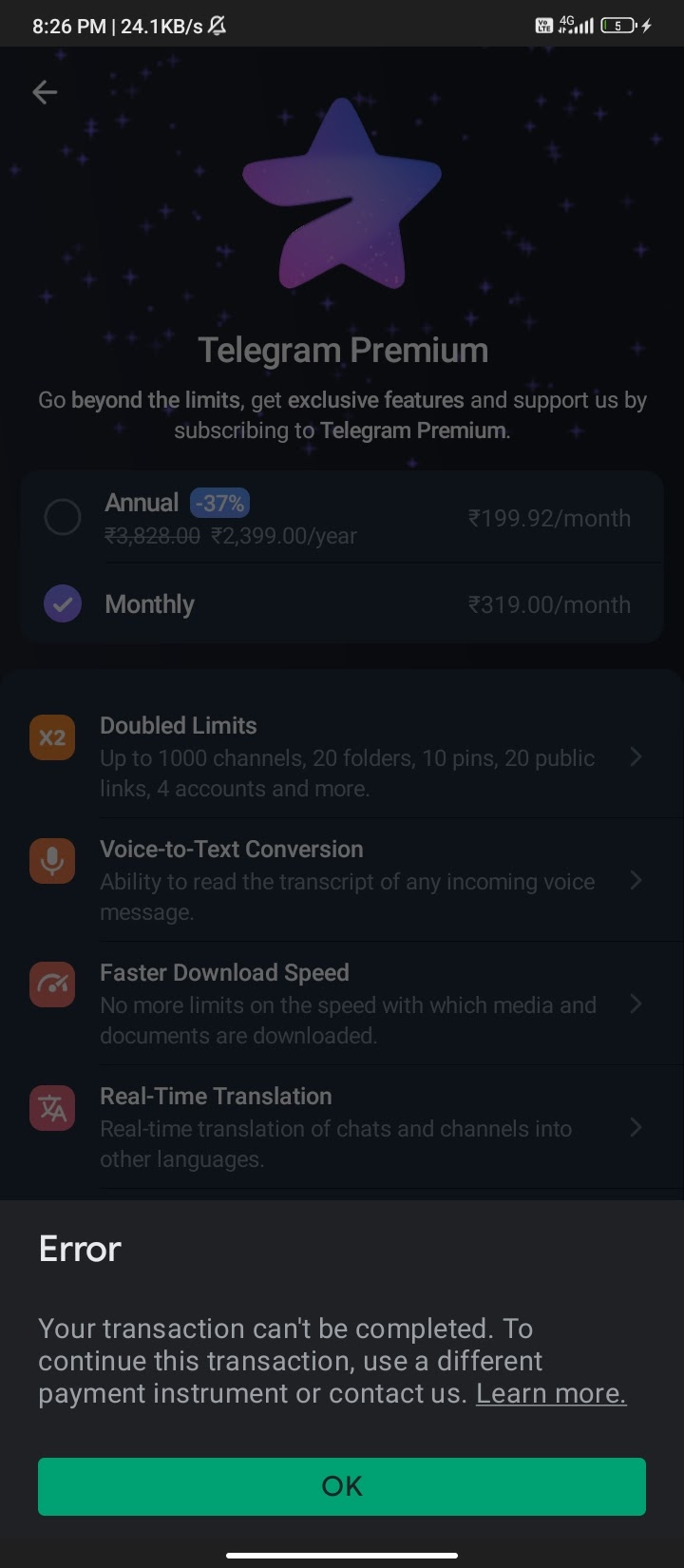
The immediate impact of the crisis became evident when users began reporting failed transactions across Telegram’s ecosystem. Payments for subscriptions, services, and digital goods were suddenly interrupted.
The Telegram VPN block has effectively disrupted the communication pathways necessary for secure payment verification. Without stable connections, transactions cannot be completed, leading to delays and financial losses.
For many users, the disruption is more than an inconvenience. It represents a breakdown in trust toward digital systems that are expected to function seamlessly.
The Infrastructure Behind the Disruption
Telegram operates on a distributed infrastructure designed to ensure speed, privacy, and resilience. However, even robust systems depend on consistent network access.
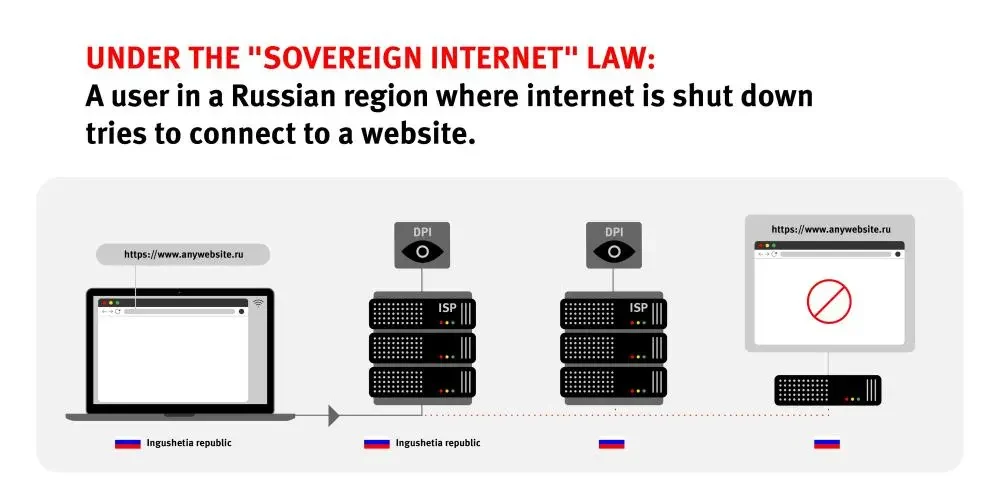
The Telegram VPN block interferes with routing protocols and encrypted channels, which are essential for maintaining secure communication between servers and users.
When these pathways are disrupted, the entire system becomes vulnerable. Payment systems, which require real time data exchange, are particularly sensitive to such interruptions.
Economic Ripple Effects Across Digital Markets
The economic implications of the Telegram VPN block are far reaching. Businesses that rely on Telegram for sales and customer engagement are experiencing direct financial losses.
Digital entrepreneurs, freelancers, and small businesses are among the hardest hit. Many use Telegram as a primary platform for:
- Conducting transactions
- Managing client relationships
- Delivering digital products
- Running subscription based services
With the Telegram VPN block, these activities face uncertainty, forcing businesses to seek alternative solutions.
Government Control Versus Digital Freedom
The crisis highlights the ongoing tension between regulatory control and digital freedom. Governments aim to regulate internet activity for security and compliance, but these measures often come at a cost.
The Telegram VPN block demonstrates how restrictions can disrupt not only access but also functionality. By limiting VPN usage, authorities inadvertently affect systems that depend on secure and flexible connectivity.
This raises important questions about how governments can balance control with the need to maintain functional digital ecosystems.
Voices from the Technology Sector
Industry experts have weighed in on the situation, emphasizing the broader implications of the disruption.
“The Telegram VPN block is a clear example of how interconnected digital systems have become. Disrupt one element, and the entire structure can be affected.”
Another expert noted:
“Restrictions on VPNs may achieve regulatory goals, but they also risk undermining the reliability of essential services.”
These perspectives highlight the complexity of managing digital infrastructure in a regulated environment.
Pavel Durov Speaks Out
Pavel Durov has been vocal about the consequences of the restrictions, warning that they extend beyond simple access issues.
“When connectivity is restricted, it impacts everything from communication to commerce. The effects are immediate and far reaching.”
His statement reinforces the seriousness of the Telegram VPN block and its potential long term impact on the digital economy.
History of Telegram and Regulatory Challenges
Telegram has faced regulatory challenges since its inception. Known for its strong stance on privacy and encryption, the platform has often been at odds with governments seeking greater control.
Over the years, Telegram has adapted to various restrictions, developing technologies to maintain accessibility and security. However, the Telegram VPN block represents a new level of challenge.
Unlike previous issues, this disruption directly affects financial systems, highlighting the growing complexity of digital platform operations.
User Experience and Growing Frustration
Users have reported a range of issues linked to the Telegram VPN block, including:
- Failed payments
- Delayed transactions
- Service interruptions
- Connectivity problems
These issues have led to widespread frustration, particularly among users who depend on Telegram for essential services.
The reliability of digital platforms is a key factor in user trust. When that reliability is compromised, the consequences can be significant.
Global Attention and Policy Implications
The situation has attracted global attention, with policymakers and technology companies closely monitoring developments.
The Telegram VPN block serves as a case study in the potential consequences of digital regulation. It highlights the need for policies that consider not only control but also functionality.
Countries around the world may use this example to reassess their own approaches to internet regulation.
Technology Adaptation and Future Solutions
In response to the crisis, Telegram may explore new technologies to mitigate the impact of restrictions. This could include alternative routing methods or enhanced infrastructure resilience.
The Telegram VPN block may also drive innovation in how digital platforms operate under regulatory constraints.
However, adapting to such challenges requires time and resources, and the outcome remains uncertain.
The Broader Impact on Digital Trust
Trust is a cornerstone of the digital economy. Users expect platforms to provide reliable and secure services.
The Telegram VPN block has raised concerns about the stability of these systems. If disruptions become more common, users may begin to question the reliability of digital platforms.
This could have long term implications for the growth and adoption of online services.
A Turning Point for Global Digital Systems
The events surrounding the Telegram VPN block mark a turning point in the evolution of digital infrastructure. They highlight the interconnected nature of modern systems and the potential consequences of disruption.
As governments continue to shape the digital landscape, platforms must adapt to ensure resilience and reliability.
The Telegram VPN block is not just a temporary issue. It is a signal of broader changes that could redefine how digital systems operate in the future.
Navigating the New Digital Reality
The Telegram VPN block underscores the challenges of balancing regulation with functionality in an increasingly digital world. As Russia continues to enforce VPN restrictions, the effects are being felt across multiple sectors.
From payment disruptions to user frustration, the situation highlights the need for careful consideration of how policies impact technology.
Moving forward, the lessons learned from the Telegram VPN block will likely influence both government strategies and platform development. The digital landscape is evolving, and adaptability will be key to navigating the challenges ahead.