Tehran, April 4, 2026, Brussels Morning Newspaper — Tehran downs US warplanes in a dramatic escalation that marks one of the most serious developments in the Middle East in recent years. The incident, unfolding amid already heightened tensions, comes as Israeli forces target key infrastructure in Lebanon, deepening fears of a broader regional conflict.
The phrase Tehran downs US warplanes has rapidly become the defining headline across global media, reflecting a moment that could reshape military strategy, diplomatic relations, and geopolitical stability.
Aerial Incident Signals a New Military Reality
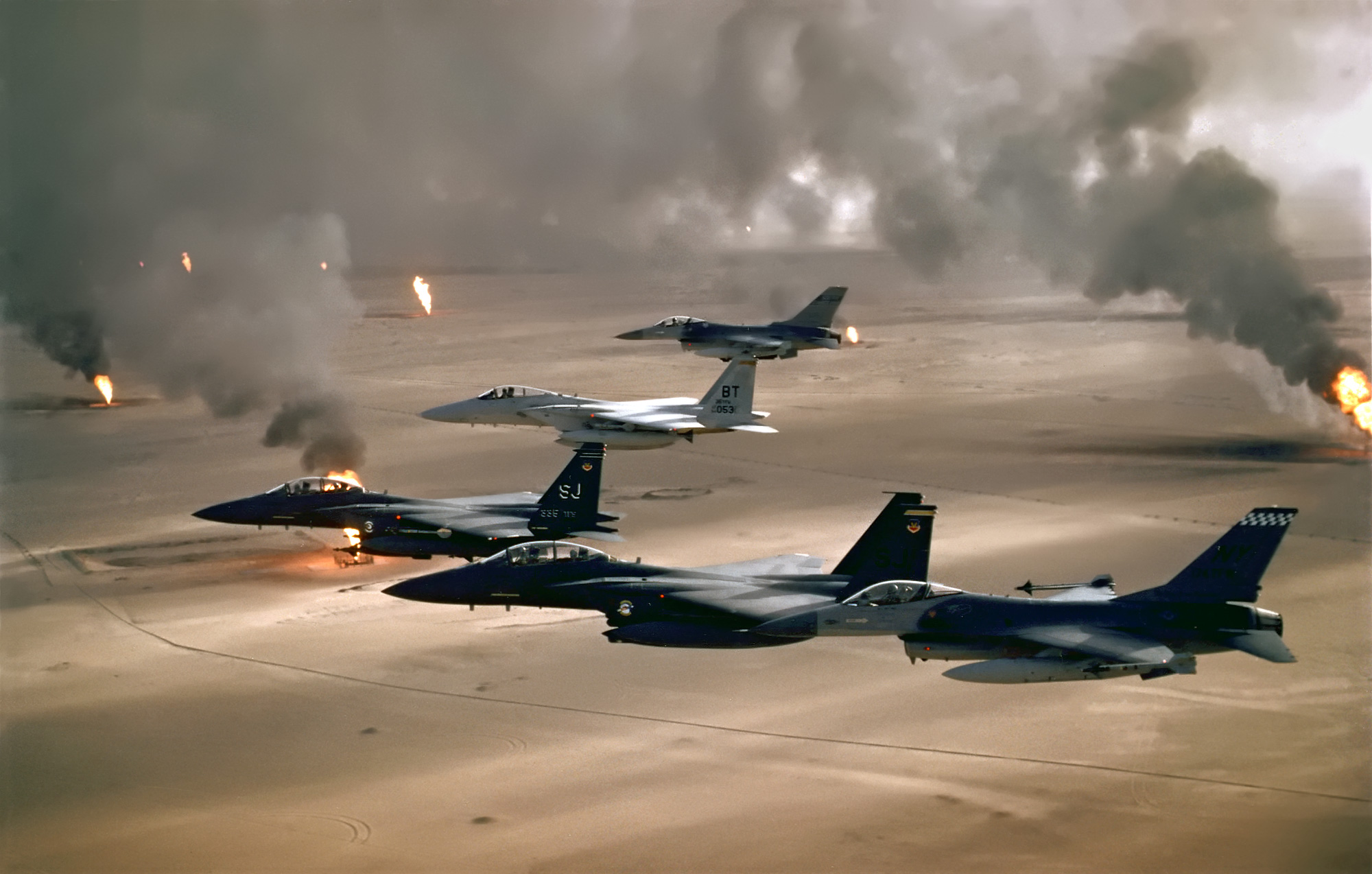
The moment Tehran downs US warplanes has stunned defense analysts worldwide. Early details suggest that two advanced US aircraft were intercepted and destroyed during active operations, highlighting a significant shift in the balance of military capabilities.
Experts note that this event challenges long-standing assumptions about air superiority. For decades, advanced aircraft have operated with relative dominance, but this incident suggests that evolving defense systems may be altering that equation.
“This changes the strategic balance almost overnight,” one analyst said, emphasizing that military planners will now need to reconsider operational risks and future engagements.
Israel Expands Conflict into Lebanon Infrastructure
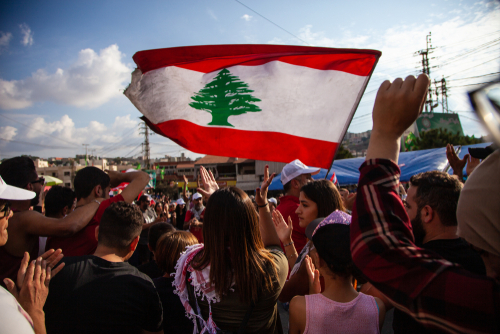
As Tehran downs US warplanes captures global attention, Israel has intensified its operations by striking bridges across Lebanon. These structures are essential for transportation and supply routes, making them critical targets in military strategy.
The destruction of these bridges has raised serious humanitarian concerns. Civilians rely on these routes for access to healthcare, food supplies, and daily movement. Their loss not only disrupts logistics but also deepens the humanitarian crisis.
Residents in affected areas described panic and uncertainty, with many forced to flee as strikes continued.
Conflict Expands Across Multiple Fronts
The phrase Tehran downs US warplanes is now part of a broader narrative of escalating conflict across the Middle East. What began as isolated incidents has evolved into a multi-front crisis involving several actors.
Military activity is increasing across land, air, and sea, raising the stakes for all involved. Analysts warn that such interconnected conflicts create a high risk of miscalculation, where a single misstep could trigger a wider war.
The complexity of the situation makes it difficult to predict how events will unfold, but the trajectory points toward continued tension.

Global Diplomatic Efforts Intensify
The international response to Tehran downs US warplanes has been swift. Leaders from around the world have called for restraint and urged all parties to pursue diplomatic solutions.
Emergency discussions are underway, with international organizations attempting to mediate and prevent further escalation. However, the effectiveness of these efforts remains uncertain, given the rapidly evolving situation.
A senior diplomat stated,
“The priority must be de-escalation, but achieving that requires cooperation from all sides.”
Economic Shockwaves Ripple Through Global Markets
The global economy is already reacting to Tehran downs US warplanes. Energy markets, in particular, have shown signs of volatility, reflecting concerns about potential disruptions in a region critical to oil production.
Investors are closely monitoring developments, as prolonged instability could impact trade routes, supply chains, and economic growth. Governments are also preparing contingency plans to address potential economic fallout.
The uncertainty surrounding the crisis is likely to continue influencing markets in the near term.
Humanitarian Impact on Civilians Intensifies
While Tehran downs US warplanes dominates headlines, the human cost of the conflict is becoming increasingly evident. Civilians in affected areas face displacement, damaged infrastructure, and limited access to essential services.
Humanitarian organizations are mobilizing resources to respond to growing needs. However, the scale of the crisis presents significant challenges.
One aid worker noted,
“The people affected by this conflict are facing unimaginable hardship, and the situation is deteriorating quickly.”
History of Escalation Leading to This Moment
To fully understand the significance of Tehran downs US warplanes, it is essential to examine the historical context of tensions in the region. Relations between the United States and Iran have been marked by decades of political disputes, economic sanctions, and proxy conflicts.
Over time, these tensions have created an environment where escalation can occur rapidly. Each incident builds upon previous conflicts, contributing to a cycle of confrontation and retaliation.
The current crisis represents a culmination of these long-standing dynamics, now intensified by evolving military technologies and strategic interests.
Strategic Implications for Global Security
The impact of Tehran downs US warplanes extends beyond the Middle East, influencing global security considerations. Nations are reassessing their defense strategies, alliances, and preparedness in response to recent developments.
Military planners are focusing on adapting to new challenges, including advanced air defense systems and asymmetric warfare tactics. The incident highlights the need for flexibility and innovation in modern military strategy.
This moment could lead to significant changes in how global security is managed.
Voices from the International Community
“This is a defining moment that could reshape global stability if restraint is not exercised immediately.”
“We are witnessing a turning point in modern conflict, where every decision carries global consequences.”
“The world must act collectively to prevent this crisis from escalating further.”
Possible Scenarios Moving Forward
As Tehran downs US warplanes continues to shape global discourse, analysts are considering several possible outcomes. These range from controlled de-escalation through diplomacy to further escalation involving additional nations.
The path forward will depend on the decisions made by key actors in the coming days. Each move carries significant risks and potential consequences.
The situation remains fluid, with developments unfolding rapidly.
A Critical Moment in Global Affairs
The events surrounding Tehran downs US warplanes represent a critical moment in global affairs. Combined with Israeli strikes in Lebanon, the situation highlights the fragility of regional stability and the potential for wider conflict.
The coming days will be crucial in determining whether tensions can be contained or if they will escalate further.
A Defining Crossroads for Global Stability
As Tehran downs US warplanes remains at the forefront of global attention, the international community faces a defining crossroads. The decisions made now will shape the future of global security, diplomacy, and economic stability.
The urgency for thoughtful leadership and coordinated action has never been greater.