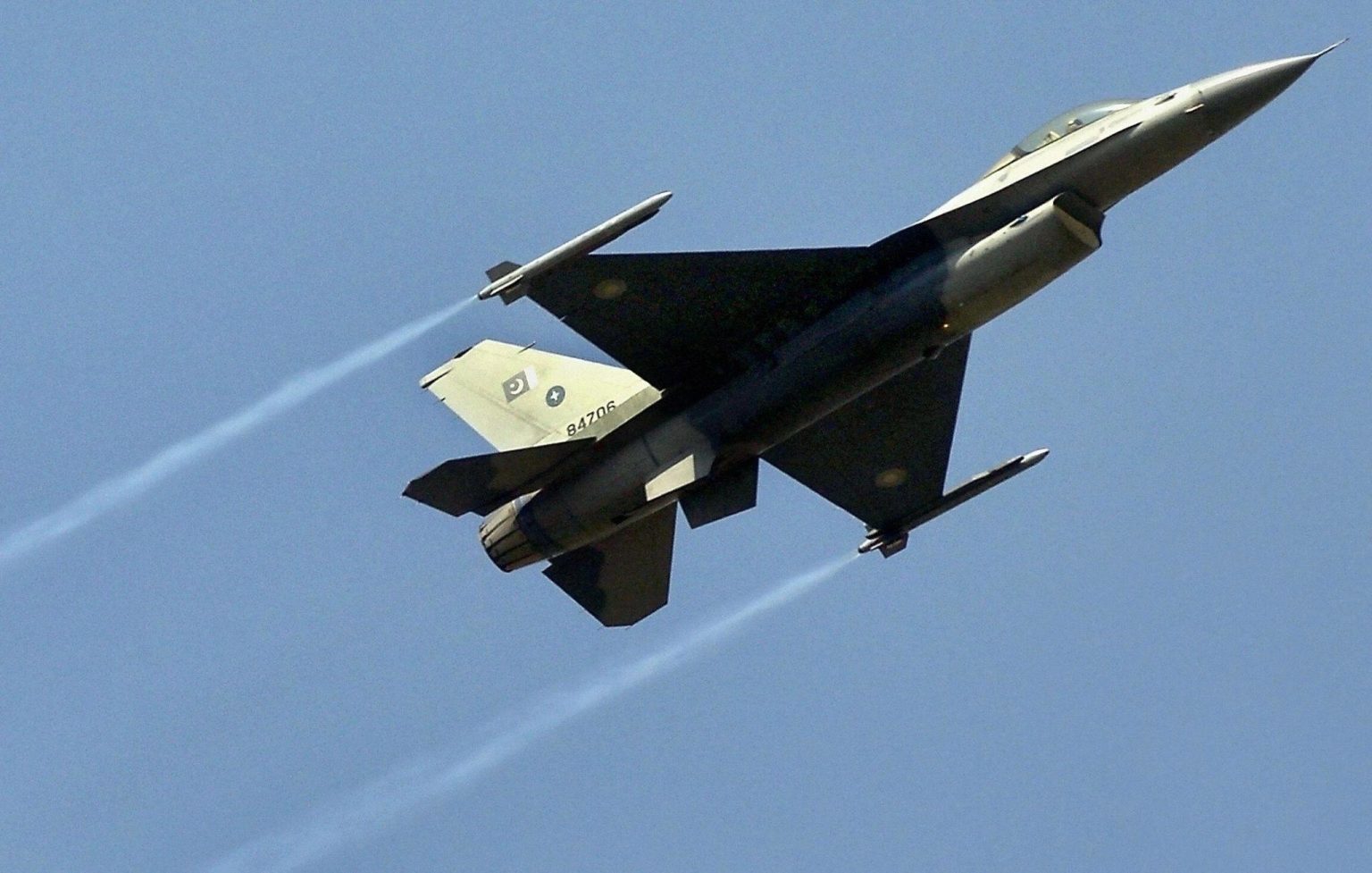
Kabul and Islamabad, February 27, 2026 — Brussels Morning Newspaper — Pakistan bombs targets in Afghan cities in a dramatic escalation that has sharply intensified tensions between the two neighboring nations. The operation, confirmed by officials in Islamabad early Tuesday, has drawn swift condemnation from Kabul and prompted urgent diplomatic engagement across the region.
Pakistani authorities described the action as a targeted response to cross border militant activity that they say has threatened national security in recent months. Afghan officials rejected that characterization, calling the strikes a violation of sovereignty and warning of serious consequences if further military action follows.
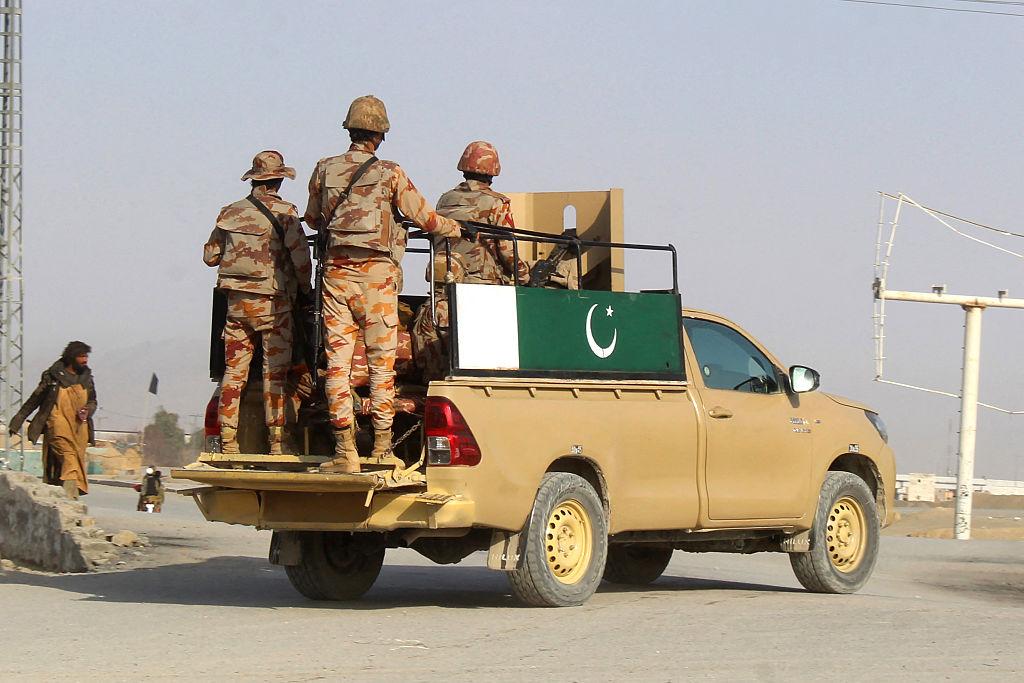
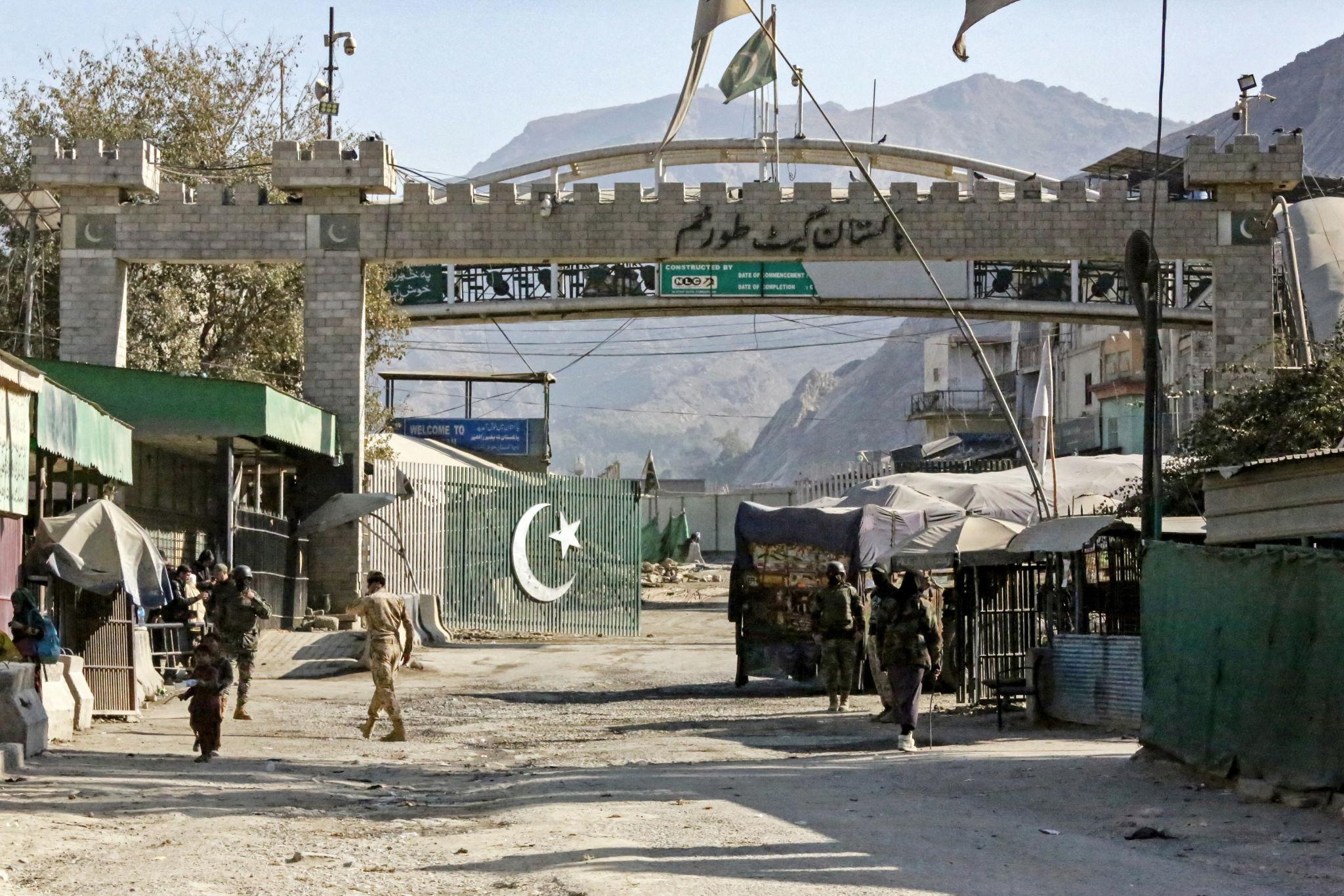
Security forces on both sides of the border were placed on heightened alert within hours of the announcement. Border crossings experienced delays, and regional governments began assessing the broader implications of the escalation.
Immediate Developments on the Ground
According to defense officials in Islamabad, the operation focused on specific locations identified through intelligence assessments. They characterized the action as limited and precise, aimed at disrupting militant infrastructure rather than engaging Afghan state forces.
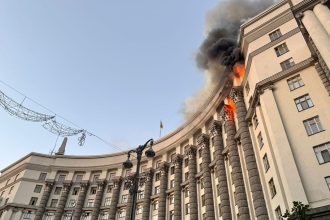
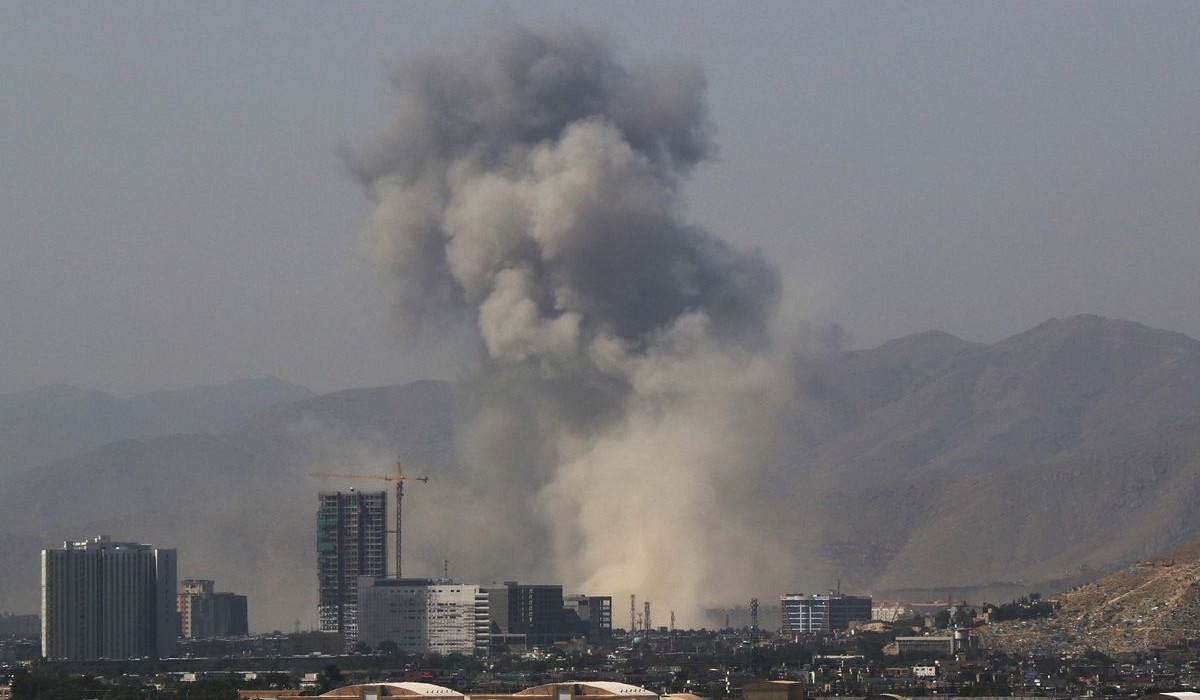
Local authorities in Afghanistan reported explosions in urban districts and confirmed that emergency response teams were deployed. While casualty figures remain unverified, residents described loud blasts and visible smoke rising from affected areas.
The confirmation that Pakistan bombs targets in Afghan cities quickly spread across regional and international media outlets. Civil aviation authorities in parts of the region issued precautionary advisories, and transport along key routes slowed as security protocols intensified.
Official Statements and Political Reaction
Pakistan’s foreign ministry released a statement asserting the country’s right to defend itself against armed groups operating beyond its borders. Officials said they had repeatedly urged Afghan authorities to take action against networks allegedly responsible for recent attacks inside Pakistan.
A senior Pakistani official said,
“Our objective is to safeguard our citizens while avoiding unnecessary escalation.”
The remark reflected Islamabad’s effort to frame the strikes as defensive rather than aggressive.
Afghan leaders responded with strong condemnation. Government representatives in Kabul stated that any military action carried out without coordination constitutes a breach of international norms. They emphasized that sovereignty must be respected and that dialogue should remain the primary mechanism for resolving disputes.
The political temperature rose further after confirmation that Pakistan bombs targets in Afghan cities, with lawmakers on both sides urging firm responses while stopping short of formal declarations of sustained conflict.
Regional Security Implications
South Asia remains one of the most strategically complex regions in the world. Any escalation between Pakistan and Afghanistan carries implications for neighboring states and broader international security arrangements.
Security analysts note that when Pakistan bombs targets in Afghan cities, it introduces the risk of retaliatory actions or unintended escalation. Border skirmishes, airspace violations, or miscommunication between military units could further complicate the situation.
Neighboring governments have quietly encouraged restraint. Diplomatic channels remain active, and international actors have expressed concern that prolonged instability could undermine counterterrorism cooperation and regional trade initiatives.
Historical Context of Border Tensions
Relations between Pakistan and Afghanistan have long been shaped by contested border management, political mistrust, and security disputes. The mountainous frontier has historically been difficult to control, creating space for militant groups to move across porous areas.
Over the decades, both governments have accused each other of failing to prevent cross border attacks. Periodic artillery exchanges and limited operations have occurred, though rarely accompanied by such forceful rhetoric.
The moment Pakistan bombs targets in Afghan cities, it reflects a continuation of this complex security dynamic. Previous cycles of tension have eventually given way to diplomatic engagement, though mistrust has often lingered.
Civilian Impact and Humanitarian Concerns
Communities near the affected districts experienced immediate disruption. Schools in some areas temporarily suspended classes, and local markets operated under tighter security.
Residents described fear and uncertainty as news of the strikes spread. Humanitarian organizations began monitoring the situation for signs of displacement or urgent needs.
When Pakistan bombs targets in Afghan cities, even limited operations can create lasting psychological effects among civilians. Aid groups have emphasized the importance of protecting noncombatants and maintaining access to essential services.
International Diplomatic Response
The United Nations called for de escalation and emphasized the need to protect civilians and respect sovereignty. Several major powers issued statements urging both governments to resolve disputes through dialogue.
A European diplomat familiar with the situation noted,
“Stability in this region is critical for global security and economic connectivity.”
The comment underscored broader international concerns about the potential ripple effects of sustained tension.
As news circulated that Pakistan bombs targets in Afghan cities, embassies in both capitals increased consultations with local authorities to assess security conditions.
Domestic Political Dynamics
In Pakistan, public discourse has focused heavily on national security concerns and the need to deter militant activity. Political leaders face domestic pressure to demonstrate resolve in response to cross border threats.
In Afghanistan, officials have emphasized unity and sovereignty. Lawmakers in Kabul have called for a measured yet firm approach, balancing condemnation with caution against further escalation.
The narrative that Pakistan bombs targets in Afghan cities has become central to political debate in both countries, influencing media coverage and public opinion.
Military Strategy and Risk Assessment
Military experts highlight the challenges of conducting precision operations in complex terrain. Intelligence accuracy, timing, and coordination are crucial to limiting unintended consequences.
Analysts caution that any follow up actions could alter the strategic balance. Even a single miscalculation could widen the confrontation.
The fact that Pakistan bombs targets in Afghan cities suggests a calculated move designed to send a signal without triggering full scale war. Whether that objective is achieved will depend on subsequent diplomatic and military decisions.
Economic and Trade Considerations
Trade between the two countries, though frequently strained, remains important for border communities. Increased inspections and temporary closures can disrupt supply chains and raise costs.
Merchants have reported slower transit times at crossing points. Investors monitoring regional infrastructure initiatives are assessing potential risks associated with prolonged instability.
When Pakistan bombs targets in Afghan cities, economic confidence in the region may experience short term volatility. However, markets often respond to signals of de escalation as quickly as they react to conflict.
Media Coverage and Public Perception
Regional and international media have provided extensive coverage of the escalation. Headlines referencing open war have heightened public concern.
Officials in both Islamabad and Kabul have urged responsible reporting and cautioned against spreading unverified claims. Social media platforms have amplified both official statements and speculative commentary.
The global attention surrounding the episode in which Pakistan bombs targets in Afghan cities highlights the strategic importance of the region and the sensitivity of bilateral relations.
Prospects for De Escalation
Despite strong rhetoric, diplomatic channels remain open. Historically, both countries have engaged in negotiations following periods of heightened tension.
Confidence building measures, including enhanced border coordination and intelligence sharing, may offer pathways to reduce misunderstandings. International mediators could also play a supportive role if requested.
Observers emphasize that while the fact that Pakistan bombs targets in Afghan cities marks a serious development, it does not eliminate the possibility of renewed dialogue.
A Fragile Balance Between Force and Diplomacy
The events of March 2026 illustrate the delicate balance between military action and diplomatic restraint. When Pakistan bombs targets in Afghan cities, it signals deep frustration with ongoing security challenges. Yet long term stability requires sustained political engagement and trust building.
Leaders in both capitals now face critical choices. Continued escalation could entrench hostility, while measured dialogue may open space for compromise.
The coming weeks will determine whether this episode becomes a turning point toward broader conflict or a catalyst for renewed efforts at cooperation. For now, the region remains on alert, and the international community continues to watch closely.