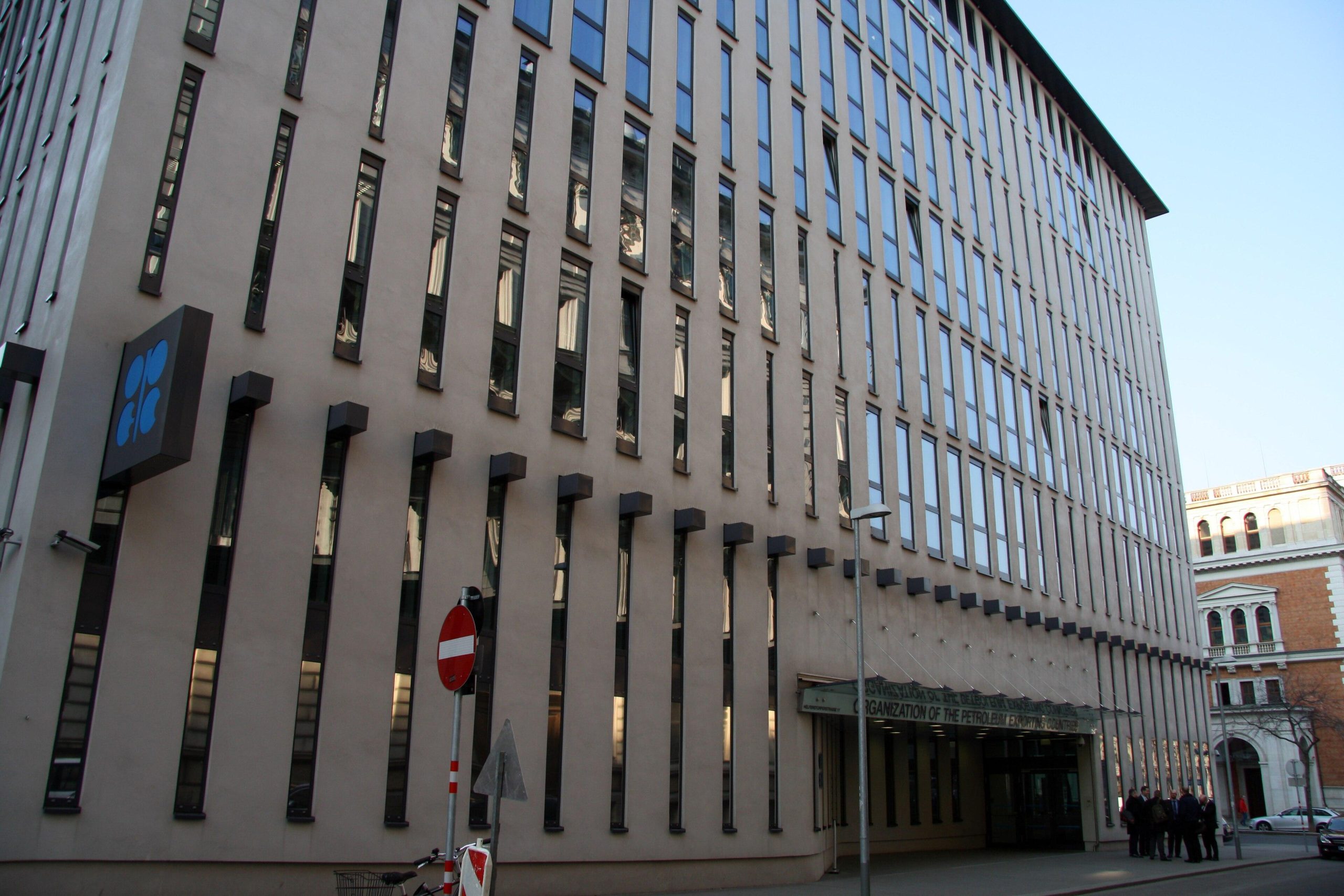
Vienna, 4 October, (Brussels Morning Newspaper) – An OPEC+ warning over attacks on energy infrastructure and disruption to international maritime routes has put renewed attention on the security of global oil supplies, with producers cautioning that damaged facilities can take considerable time and money to restore.
The warning came after the 68th meeting of the OPEC+ Joint Ministerial Monitoring Committee (JMMC), held by videoconference on Sunday. The committee reviewed oil-market conditions, production data and compliance with output commitments while highlighting risks to the infrastructure and transport routes underpinning international energy trade.
Why is OPEC+ warning about energy infrastructure?
OPEC said the JMMC had expressed concern about attacks on energy infrastructure, noting that restoring damaged facilities to their full operating capacity can be costly and time-consuming.
The committee also stressed the importance of safeguarding international maritime routes to ensure energy supplies can continue reaching global markets.
Its statement did not identify one specific attack, country or conflict as the reason for the warning. That distinction is important because the organisation framed the issue as a wider threat to energy security rather than attributing responsibility for individual incidents.
OPEC+ said actions undermining energy supply security can increase market volatility and weaken efforts made by countries participating in the Declaration of Cooperation to promote market stability.
OPEC delivers strong message on supply security
In its official statement, the JMMC said it had “expressed concern regarding attacks on energy infrastructure” and highlighted the costs and time involved in restoring damaged assets to full operating capacity.
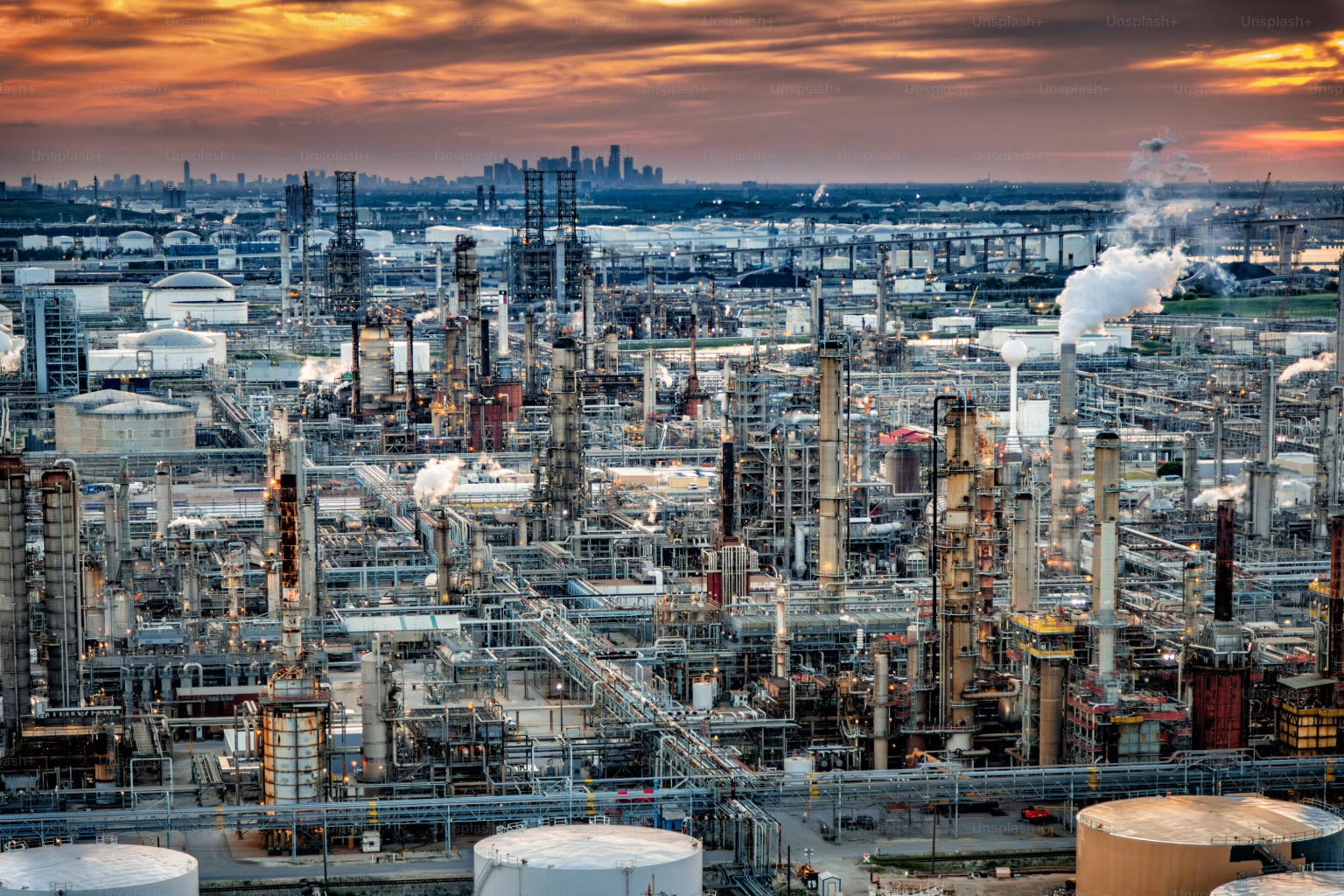
The comments underline the growing importance of infrastructure security to the oil market. Production targets alone cannot guarantee reliable supplies if pipelines, refineries, storage facilities, export terminals or shipping routes are disrupted.
For Europe, the issue is particularly relevant because international crude oil and petroleum-product markets remain interconnected. Serious disruption elsewhere can affect shipping patterns, refining economics and wholesale energy prices across European markets.
OPEC+ producers maintain November output levels
The infrastructure warning came as seven OPEC+ countries — Saudi Arabia, Russia, Iraq, the United Arab Emirates, Kuwait, Kazakhstan and Oman — separately agreed to maintain their September required production levels during November 2026.
The countries reaffirmed their commitment to the Declaration of Cooperation and said they would continue closely monitoring market conditions.
OPEC+ has repeatedly adjusted its approach to production as it balances available supply, demand expectations and wider uncertainty affecting international oil markets.
Why the warning matters for Europe
An extended disruption to important oil infrastructure or shipping routes could have consequences beyond producing countries.
Europe relies on international energy markets and extensive maritime trade for crude oil and refined petroleum products. Supply interruptions can alter tanker routes, increase transport costs and contribute to greater price volatility.
The latest OPEC+ warning therefore adds energy security to the factors governments, businesses and traders must monitor alongside production levels and global demand.
However, OPEC has not said that the warning itself means a global supply shortage is imminent.
What happens next for OPEC+?
The seven countries participating in the latest voluntary production arrangements are scheduled to meet again on 1 November 2026 to review market conditions and production policy.
The JMMC is due to hold its 69th meeting on 29 November 2026. The committee will continue monitoring production conformity, compensation commitments and developments affecting market stability.
With geopolitical risks continuing to affect energy trade, protecting production facilities and major shipping routes is likely to remain an important element of the organisation’s assessment of global oil-market security.