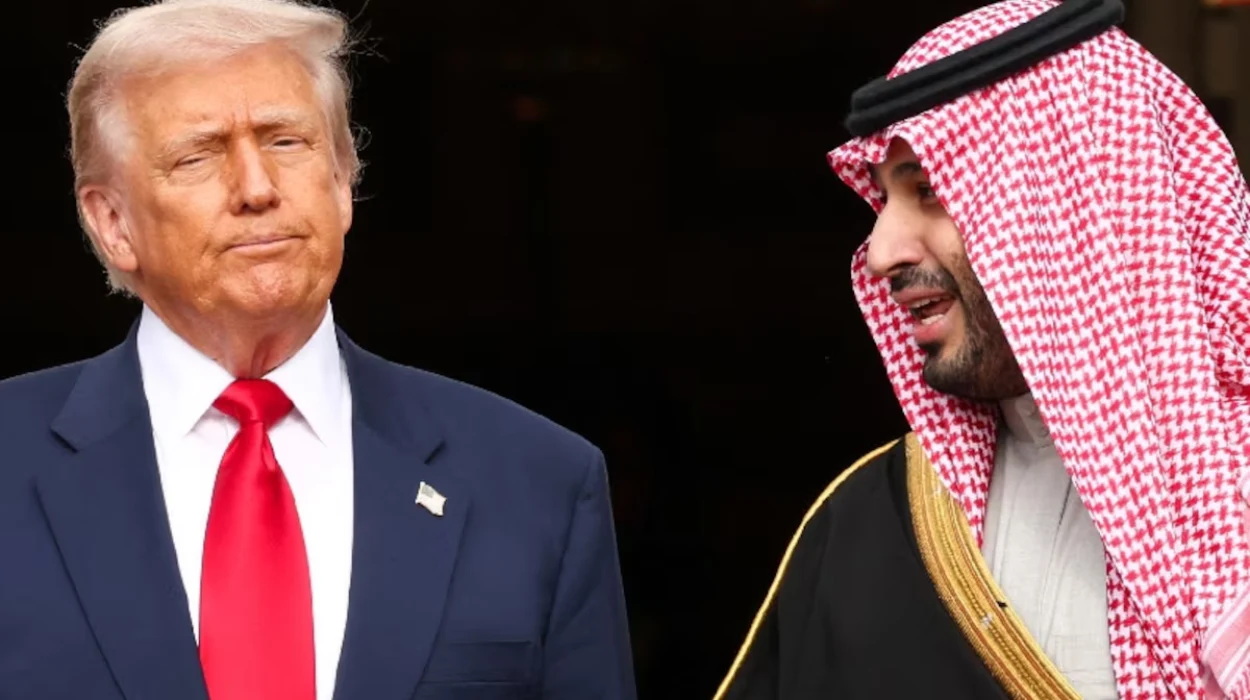
Washington (Brussels Morning Newspaper) October 3, 2026 – United States President Donald Trump has declined requests from Saudi Arabia to carry out military strikes against Yemen’s Houthi movement, choosing instead to exercise restraint. Reports indicate that Saudi Crown Prince Mohammed bin Salman pressed for American intervention following Houthi drone and missile attacks on Saudi energy facilities, but Washington opted against direct military involvement.
United States President Rejects Saudi Requests For Retaliatory Airstrikes
United States President Donald Trump decided against launching a planned series of military airstrikes targeting Yemen’s Houthi movement. According to reports from major media outlets, including Axios and subsequent coverage, Saudi Crown Prince Mohammed bin Salman contacted President Trump to request that the United States execute military operations against the group.
The diplomatic friction emerged as the Houthis executed extensive drone and missile strikes directed at Saudi Arabian oil and infrastructure installations. Despite the appeals from Riyadh, President Trump opted against entering the conflict directly at that moment. Publicly addressing reporters during a visit to Dublin, Ireland, President Trump stated that representatives of the Houthi movement had communicated that they did not wish to engage in hostilities with the United States.
“The Houthis called us, and they don’t want to fight with us,”
President Trump remarked to journalists, adding that the group conveyed a desire for the United States to refrain from taking military action against them. President Trump also described his communications with Saudi Crown Prince Mohammed bin Salman in cordial terms, referring to him as a friend while expressing optimism that regional tensions would eventually resolve.
Regional Escalation And Houthi Military Advancements In Yemen
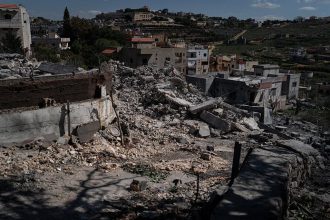
The decision by the United States to withhold military intervention coincided with renewed fighting within Yemen. Following the last-minute cancellation of American airstrikes, Houthi forces intensified their military positioning, pushing forward to secure strategic terrain across the Yemeni highlands and coastal regions.
Military developments included Houthi advances near Dhubab along the Red Sea coast as well as operations around Perim Island near the vital strait governing regional shipping lanes. These movements followed earlier escalations in which Houthi forces seized strategic locations and vital maritime choke points. Concurrently, cross-border attacks involving drones and missiles targeted installations inside Saudi Arabia, heightening security concerns across the Gulf region.
United Nations officials and international observers have continuously monitored the deteriorating security conditions, issuing repeated appeals for immediate de-escalation and the protection of international navigation routes. However, regional diplomatic efforts faced setbacks as tensions persisted between local factions, the Houthi movement, and neighboring Gulf states.
Historical Context Of United States Military Campaigns In Yemen
The current diplomatic and military posture follows extensive American involvement in the region during previous years. Earlier in 2025, United States Central Command (CENTCOM) conducted a sustained two-month bombing campaign against Houthi military infrastructure in Yemen. That operation involved strikes against more than 1,000 targets, encompassing air-defence systems, radar installations, ballistic missile sites, and drone production facilities near the Yemeni capital of Sanaa.
Military analysts and public reports noted that the intensive aerial campaign consumed approximately one billion United States dollars in munitions during its initial month. Despite the scale of the operation, Houthi forces sustained their retaliatory capabilities and targeted American assets in the surrounding waters.
President Trump ultimately terminated that military campaign after concluding that the Houthi movement had provided assurances regarding the security of American shipping vessels. Since the conclusion of those operations in mid-2025, the United States administration has maintained a policy of avoiding direct offensive engagements inside Yemen, despite periodic flare-ups and appeals from regional allies.
Diplomatic Positions And Strategic Calculations By Washington And Riyadh
Current and former diplomats, along with military commanders, have expressed scepticism regarding whether a limited American air campaign would achieve long-term strategic objectives or compel the Houthi leadership to alter its core demands. Questions have similarly been raised regarding the operational capacity of Saudi-backed Yemeni ground forces to effectively capitalize on foreign air support.
The divergence in strategy between Washington and Riyadh highlights complex regional dynamics. While Saudi Arabia views Houthi military actions as a direct threat to its national security and infrastructure, the United States administration has weighed the immense financial and strategic costs of re-entering an active conflict in Yemen against broader foreign policy priorities in the Middle East. As diplomatic consultations continue, the situation remains fluid, with regional stakeholders navigating overlapping security challenges, ongoing infrastructure repairs, and shifting alliances.