Washington , March 30, 2026 — Brussels Morning Newspaper — U.S. President Donald Trump is reportedly exploring a plan to call on Arab states to help cover the costs of the Iran war, White House press secretary Karoline Leavitt said on Monday. The announcement comes amid ongoing private negotiations with Tehran, where officials say progress contrasts sharply with public rhetoric. Trump has warned that Iranian energy infrastructure faces destruction if the Strait of Hormuz remains closed, while insisting that regime change has already reshaped leadership in Tehran. Analysts note that this strategy could alter Middle East alliances, increase regional financial responsibility, and shape the trajectory of the Iran war moving forward, signaling a more complex geopolitical landscape.
Trump Considers Arab Support for Iran War
U.S. President Donald Trump is reportedly considering asking Arab states to help fund the ongoing Iran war, White House press secretary Karoline Leavitt said on Monday. The statement comes as the administration claims progress in private talks with Tehran, despite heightened public tensions and missile attacks in the region.
Leavitt told reporters that while she could not speak for the President directly, Trump has expressed interest in seeking financial contributions from Arab nations to share the burden of the Iran war.
White House press secretary Karoline Leavitt said on Monday:
“I think it’s something the President would be quite interested in calling them to do”
Private Diplomacy Contrasts Public Statements
Leavitt emphasized that Iran’s public messaging differs significantly from what is communicated privately to U.S. officials. According to her, Tehran has privately agreed to some key points raised by Washington, illustrating a stark contrast between diplomatic progress behind the scenes and public hostility.
These private discussions have raised hopes within the administration that a path toward resolution exists, even as Iran publicly rejects U.S. proposals. Analysts suggest that leveraging Arab states to support the Iran war financially could reinforce U.S. leverage during these negotiations and pressure Tehran into compliance.
Regional consequences of Arab involvement in Iran war
Trump’s move to involve Arab states in financing the Iran war could reverberate far beyond Washington. For Europe, it signals a potential recalibration of alliances, with Gulf nations taking a more active role in regional security that could either stabilize oil markets or heighten tensions. For the U.S., relying on foreign funding reflects a shift in burden-sharing, but it also risks complicating diplomatic ties if countries resist or demand concessions. Analysts warn that this strategy could embolden Tehran to test boundaries, knowing the U.S. may be leveraging regional partners rather than deploying unilateral force. The coming months will reveal whether this approach strengthens deterrence or introduces new vulnerabilities in an already volatile region.
Trump Warns Iran on Energy Infrastructure
Earlier statements from Trump highlighted the stakes for Iran if talks fail. The President warned that Iran’s energy plants and oil wells would face destruction unless the country reopened the Strait of Hormuz, a critical maritime chokepoint. This warning comes after Tehran described U.S. peace proposals as “unrealistic” and launched waves of missile attacks at Israel.
The threat underscores the administration’s approach of coupling diplomacy with the possibility of military action. Arab states’ potential contributions to the Iran war would reduce U.S. financial exposure while reinforcing regional security commitments.
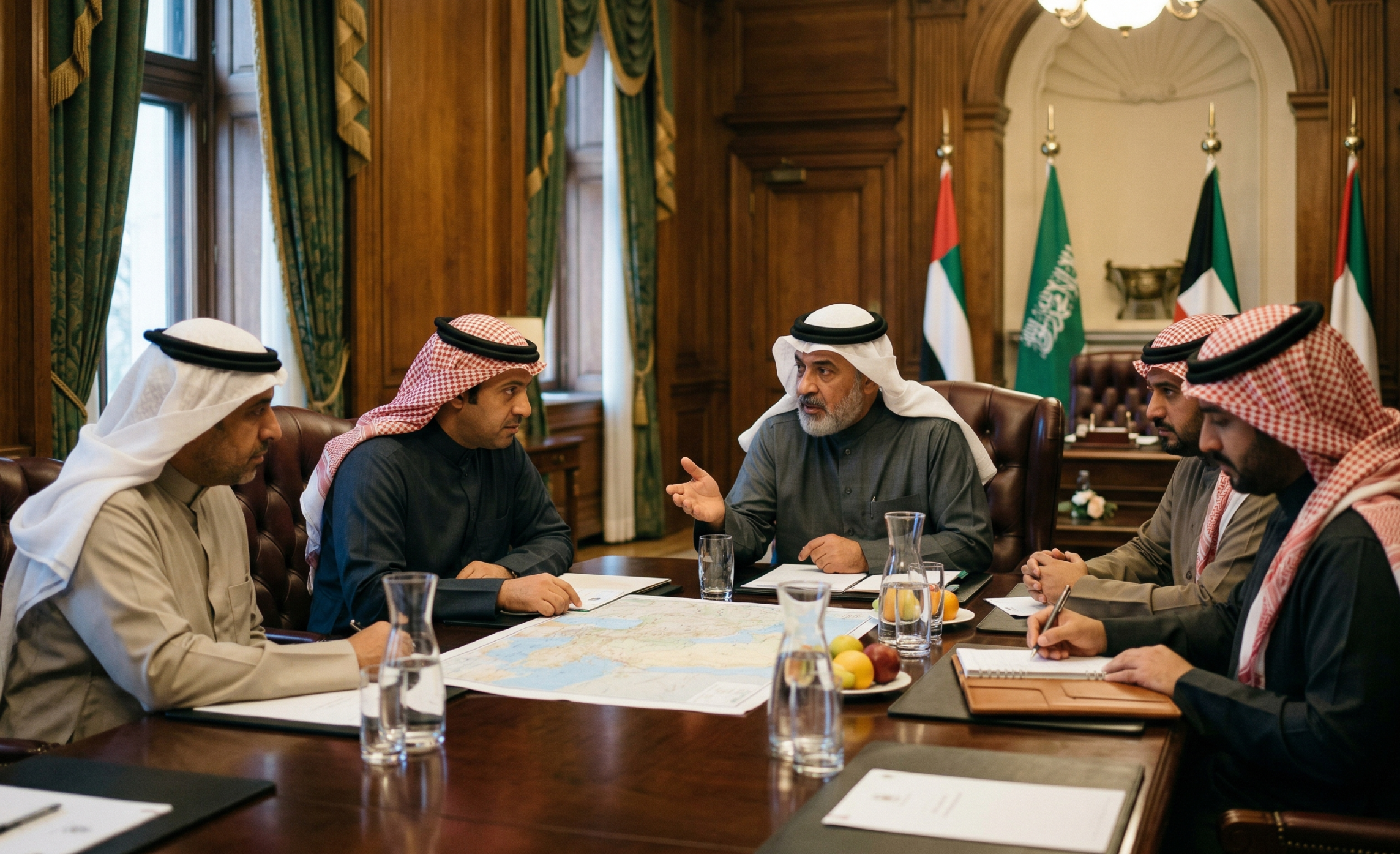
Regime Change and New Leadership in Tehran
Trump suggested that significant regime changes in Iran have already occurred, describing the current leadership as different from any previous government. “We’ve had regime change, if you look, already, because the one regime was decimated, destroyed, they’re all dead,” he told reporters. The President added that the U.S. is now dealing with a new group of leaders who have been more reasonable in negotiations.
U.S. Secretary of State Marco Rubio, however, urged caution. While acknowledging that new leadership could be promising, Rubio stressed that the U.S. must remain prepared for the possibility that the changes may not yield a cooperative partner.
Accountability Measures for Iran
Leavitt highlighted the administration’s commitment to ensuring accountability in any agreements with Tehran. The U.S. plans to verify that Iran adheres to private commitments, and any deviation could result in military consequences. This dual approach of diplomacy backed by credible threats demonstrates Washington’s intent to maintain leverage while avoiding prolonged conflict.
The focus on accountability reinforces the rationale behind seeking Arab financial support for the Iran war, as shared responsibility among regional allies could strengthen enforcement of agreements and reduce unilateral risks for the U.S.
Implications for Arab States and Middle East Policy
Inviting Arab nations to contribute financially to the Iran war signals a potentially significant change in U.S. Middle East policy. Analysts note that such a move could deepen strategic alliances with Gulf states while also raising questions about long-term stability and the political implications of funding foreign conflict.
Arab states have remained cautious in their public statements, and any commitment to support the Iran war could have far-reaching economic and diplomatic consequences. Experts suggest that the initiative may prompt a reevaluation of regional security dynamics, particularly as the U.S. seeks to balance deterrence with engagement.
Iran War and Global Energy Concerns
The Iran war has already impacted global energy markets, and Arab involvement could influence both supply stability and geopolitical tensions. Tehran’s missile attacks and threats to critical infrastructure have highlighted vulnerabilities in global oil transport, especially near the Strait of Hormuz.
By involving Arab nations financially, the U.S. hopes to distribute the burden and maintain pressure on Iran while signaling a united front among allies. This strategy may affect oil prices and investment decisions, emphasizing the intersection of military conflict and economic stability.