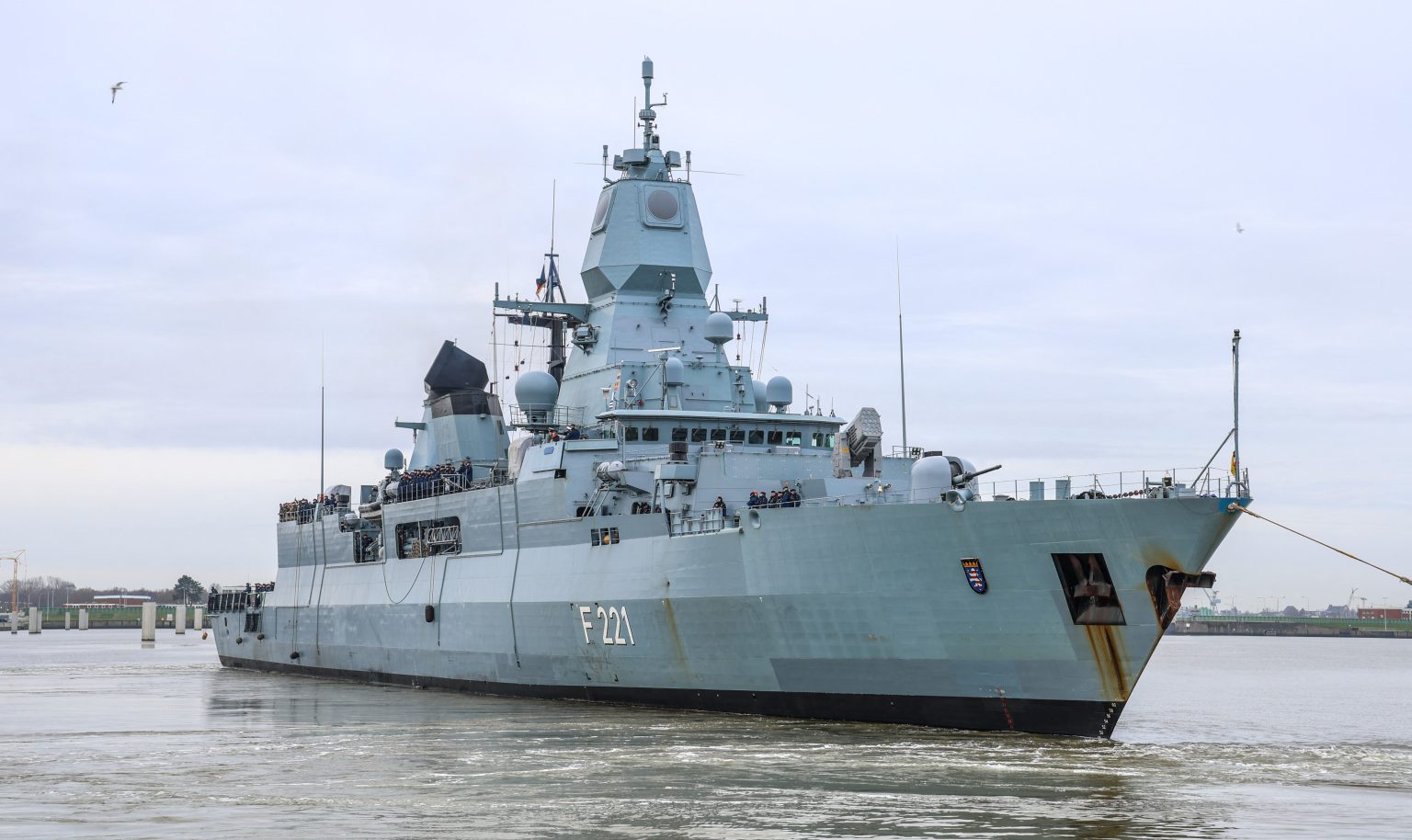
Brussels, March 30, 2026 — Brussels Morning Newspaper — Red Sea shipping crisis is intensifying as the European Union confirmed a significant expansion of naval operations across the Red Sea and Indian Ocean. The move comes amid rising attacks on commercial vessels, growing instability in the region, and mounting fears over disruptions to global trade.
European leaders say the decision reflects urgent concerns about maritime security and the need to protect vital shipping corridors that serve as lifelines for international commerce.
Europe Responds to Growing Maritime Threats
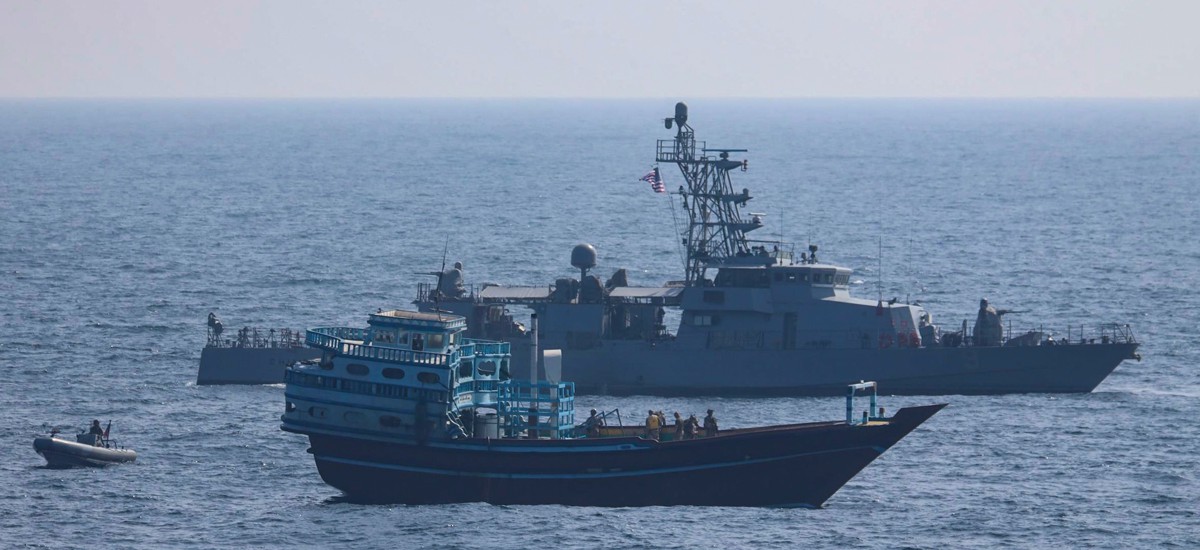
The Red Sea shipping crisis has rapidly evolved into one of the most pressing global security concerns. Increased incidents involving drone attacks, vessel seizures, and threats to cargo ships have forced policymakers to act swiftly.
The European Union’s naval expansion aims to strengthen surveillance, increase patrols, and ensure the safe passage of commercial vessels through high-risk areas.
A senior EU official stated:
“The stability of global trade depends heavily on secure maritime routes, and we are committed to ensuring their protection.”
Why the Red Sea Matters for Global Trade
The Red Sea is a critical artery for global commerce, connecting Europe and Asia through the Suez Canal. A large percentage of the world’s oil and goods passes through this narrow corridor daily.
The ongoing Red Sea shipping crisis has already led to disruptions, forcing some shipping companies to reroute vessels around Africa—resulting in longer transit times and higher costs.
This disruption is not only affecting logistics but also contributing to rising prices for goods and energy worldwide.
Naval Expansion Aimed at Stabilizing the Region
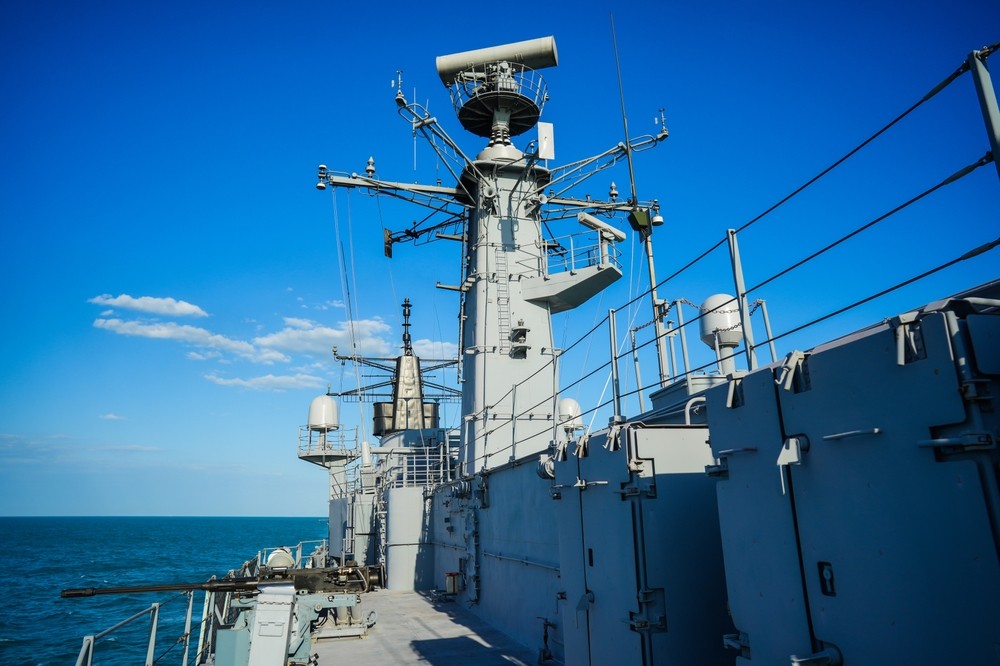
To address the Red Sea shipping crisis, the EU is deploying additional naval forces equipped with advanced monitoring systems and defensive capabilities.
Key objectives of the expansion include:
- Protecting commercial shipping lanes
- Deterring attacks on vessels
- Enhancing coordination with allied naval forces
- Ensuring safe passage through high-risk zones
The move is seen as a proactive step to prevent further escalation and maintain confidence in international shipping networks.
Economic Impact of the Crisis
The Red Sea shipping crisis is already having measurable effects on the global economy. Shipping delays, increased insurance premiums, and rerouting costs are putting pressure on businesses and consumers alike.
Energy markets are particularly vulnerable, as disruptions in oil shipments can lead to price volatility and supply shortages.
Analysts warn that prolonged instability could result in:
- Higher fuel prices
- Increased cost of goods
- Supply chain bottlenecks
- Slower economic growth
International Coordination and Security Efforts
The EU has emphasized that its response to the Red Sea shipping crisis will involve close coordination with international allies. Joint operations, intelligence sharing, and synchronized patrols are expected to enhance effectiveness.
By working with global partners, the EU aims to create a unified front against threats to maritime security while avoiding unnecessary escalation.
Rising Geopolitical Tensions
The Red Sea shipping crisis is unfolding against a backdrop of broader geopolitical tensions in the Middle East. Conflicts involving regional actors have increased risks to both military and civilian vessels.
While the EU maintains that its operations are defensive, some observers caution that increased military presence could heighten tensions if not carefully managed.
A defense analyst noted:
“Balancing security with diplomacy will be critical in preventing the situation from spiraling further.”
Humanitarian and Legal Considerations
Amid the Red Sea shipping crisis, concerns have also been raised about the safety of humanitarian shipments and civilian vessels.
European officials have reiterated their commitment to international maritime law and the protection of non-combatant ships.
Efforts are underway to ensure that aid deliveries can continue without disruption, even as security measures are intensified.
Long-Term Strategic Implications
The Red Sea shipping crisis is reshaping how global powers approach maritime security. For the European Union, this expansion signals a shift toward a more active role in safeguarding international trade routes.
This strategy reflects a growing recognition that economic security and military preparedness are closely linked in today’s interconnected world.
What to Watch in the Coming Months
As the Red Sea shipping crisis continues to develop, several key factors will determine its trajectory:
- Effectiveness of EU naval operations
- Level of international cooperation
- Frequency of attacks on shipping vessels
- Stability of energy markets
The situation remains fluid, and global attention will remain focused on how these developments unfold.
The Red Sea shipping crisis has prompted the European Union to expand naval operations in a bid to protect vital trade routes and stabilize global markets. With rising threats to shipping and growing geopolitical tensions, the move highlights the increasing importance of maritime security. While the expansion aims to prevent further disruption, its long-term impact on global trade and regional stability remains uncertain.