Strategic restraint in the Gulf of Finland
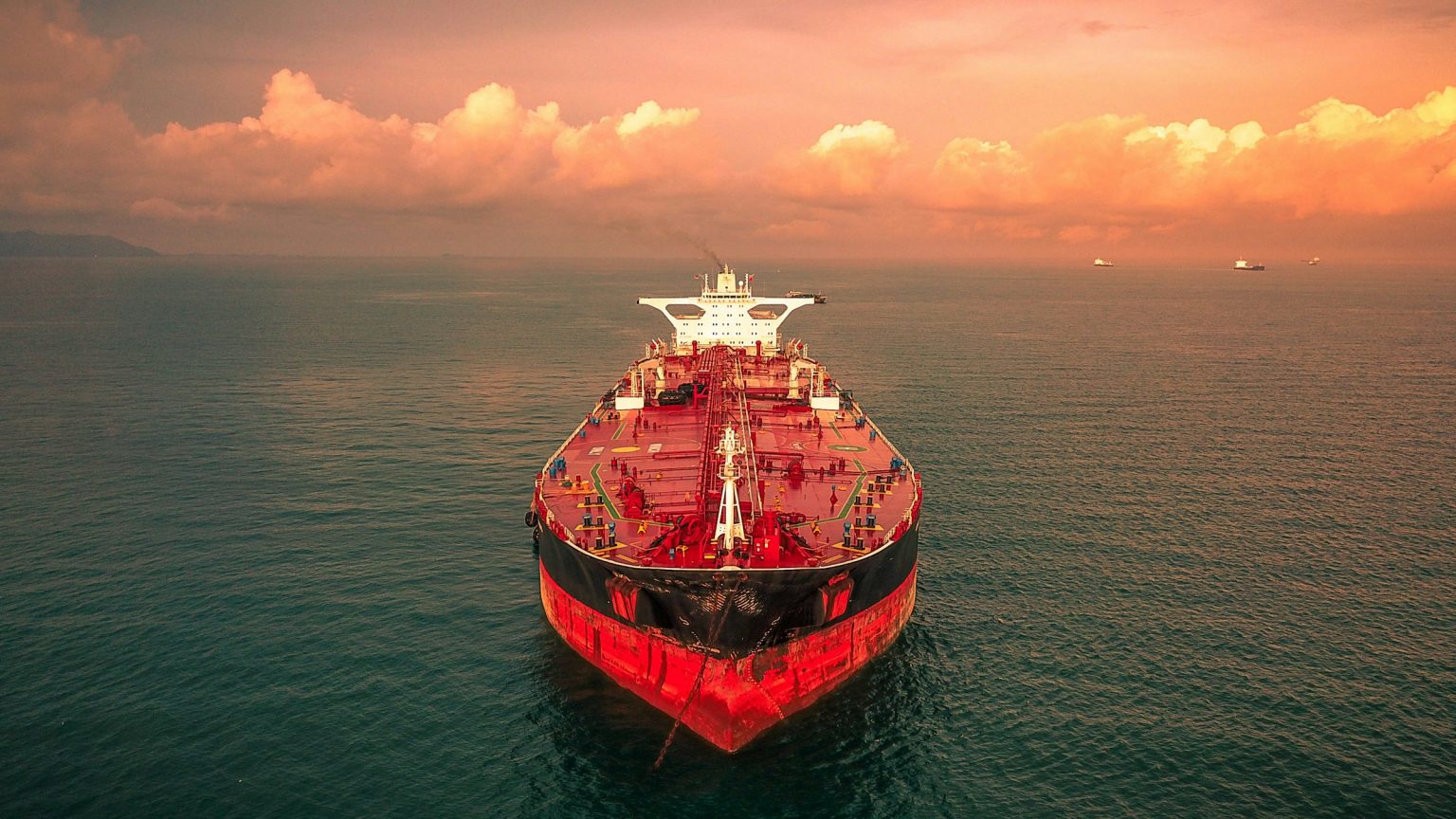
The strategic shift comes at a time when the Baltic Sea has become a primary corridor for the transport of sanctioned oil. These Russian tankers often operate with obscured ownership and lack standard international insurance, earning them the moniker of the shadow fleet. While nations further west, such as the United Kingdom and France, have increased their rhetoric regarding the detention of such ships, Estonia faces a much more immediate physical threat. The narrow waters of the Gulf of Finland are heavily monitored by Moscow’s Baltic Fleet, making any attempt to redirect or board a vessel a potential flashpoint for a larger international crisis.
Military analysts suggest that the density of naval assets in this small area leaves very little room for error. If the Estonian Navy were to attempt a seizure, the response time from Russian airbases and naval ports would be measured in minutes rather than hours. This geographic reality has forced a pragmatic approach where monitoring and surveillance have replaced active interception. The goal is now to maintain a presence without providing a pretext for escalation that could draw the entire NATO alliance into a maritime skirmish.
Escalation risks and the Jaguar precedent
The current caution is deeply rooted in a high-stakes incident that occurred in 2025 involving a tanker named the Jaguar. During that encounter, Estonian authorities attempted to intercept the vessel, which was suspected of violating sanctions. The situation rapidly deteriorated when a Russian Su-35 fighter jet entered the airspace to provide a direct escort for the ship. This display of force signaled that Moscow is willing to use high-end military hardware to protect its economic interests. Since then, the frequency of armed escorts for Russian tankers has increased significantly, with corvettes and patrol boats now a common sight alongside oil transports.
The risk of military escalation is just too high
Estonia’s Navy Commander Ivo Vark told while observing several idle vessels from the deck of a patrol boat.
The singular quote from the Navy Commander underscores the gravity of the situation. It reflects a consensus among the Baltic states that while sanctions are a necessary tool of diplomacy, the physical enforcement of those sanctions must not come at the cost of a hot war. The “Jaguar” incident proved that Russia views these shipping lanes as vital national interests and is prepared to treat any interference as a hostile act against its sovereign territory, regardless of international maritime law.
Environmental hazards of the shadow fleet
Beyond the military implications, the presence of these Russian tankers poses a severe ecological threat to the Baltic ecosystem. Many of these ships are over twenty years old and lack the reinforced hulls required for safe navigation in icy or congested waters. The lack of transparent insurance means that in the event of a major oil spill, the cost of cleanup would likely fall on the coastal nations rather than the shipowners. This creates a “double-bind” for Estonia: they must choose between the risk of a military strike today or a catastrophic environmental disaster tomorrow.
Environmental groups have called for stricter inspections, but the Estonian Navy maintains that such inspections are nearly impossible to conduct without the cooperation of the crew. When a ship refuses to stop, the only options are to let it pass or use force. Given the current geopolitical climate, the latter is viewed as a bridge too far. The result is a growing fleet of “ghost ships” that navigate with their transponders turned off, further increasing the risk of collisions in the crowded shipping lanes near Vaindloo Anchorage.
Limits of Western maritime pressure in Europe
This tactical retreat highlights a growing fracture in the Western strategy to choke off Moscow’s energy revenues through maritime pressure. By effectively establishing a high-seas shield, the Kremlin is successfully testing the limits of NATO’s collective resolve in its own backyard. This shift signals to Washington and Brussels that economic sanctions are only as strong as a nation’s willingness to risk a kinetic flare-up. If other frontline states follow Tallinn’s lead, the “shadow fleet” could evolve from a loophole into a permanent, untouchable fixture of global trade, fundamentally altering how international law is enforced in contested waters for years to come.
Congestion at Vaindloo Anchorage
Recent weeks have seen a dramatic increase in the number of vessels idling in Estonia’s exclusive economic zone. Observers have noted that the number of Russian tankers has tripled, with up to forty ships anchored at once. This backlog is partly due to successful Ukrainian drone strikes on Russian port infrastructure, which have forced ships to wait for extended periods before they can load their cargo. This massing of ships provides a tempting target for enforcement, yet it also concentrates the Russian naval presence.
The presence of so many vessels in a small area creates a logistical nightmare for the Estonian Coast Guard. Each ship must be monitored to ensure it does not dump waste or engage in ship-to-ship transfers that further bypass sanctions. However, as long as the vessels remain in international waters or the exclusive economic zone without violating specific safety protocols, the legal grounds for detention remain shaky, especially when backed by the threat of Russian naval artillery.