Deep Divisions Over Nuclear Enrichment and Missiles
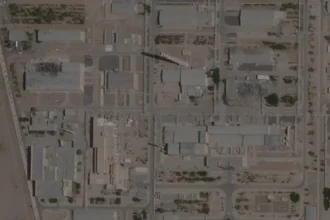
The primary obstacle in the US Iran peace talks remains the fundamental disagreement over Iran’s nuclear capabilities. The Iranian delegation, led by Parliament Speaker Mohammed Baqer Qalibaf and Foreign Minister Abbas Araqchi, has presented a 10-point proposal that includes a non-negotiable demand for the right to enrich uranium. This directly contradicts the 15-point plan put forward by Washington, which insists on a total halt to enrichment and the removal of existing stockpiles. The technical nature of these demands requires a level of transparency that Tehran has historically been reluctant to provide, especially regarding its underground facilities. American intelligence suggests that despite the war, certain centrifuge cascades remain operational, a fact that complicates the “zero enrichment” stance held by the White House.
Furthermore, the United States, represented by Vice President J.D. Vance and envoy Steve Witkoff, continues to demand a dramatic curtailment of Iran’s ballistic missile program. Tehran has countered that its missile arsenal is essential for national defense and is not up for negotiation. This mismatch in core security priorities indicates that the US Iran peace talks must bridge a massive gap between two vastly different visions for regional stability. While the U.S. views these missiles as a threat to its allies and maritime security, Iran views them as the only deterrent against a technologically superior adversary. This impasse has led to heated exchanges during the preliminary sessions, though both sides have agreed to remain at the table for the duration of the week.
The Economic Leverage of the Strait of Hormuz
A critical component of the US Iran peace talks involves the Strait of Hormuz, a narrow waterway essential for global energy supplies. Since the conflict began on February 28, Iran’s effective blockade of the strait has sent shockwaves through the global economy, causing oil prices to skyrocket. Iran is now using its control over the waterway as economic leverage, suggesting that a permanent deal must allow them to charge transit fees to fund war reparations and reconstruction. This demand has been met with fierce resistance from international shipping conglomerates and energy-dependent nations in Europe and Asia. The prospect of a “toll booth” at one of the world’s most vital maritime chokepoints is a radical departure from established international law regarding the freedom of navigation.
President Trump has previously threatened to devastate Iran if the waterway is not reopened unconditionally. However, the domestic pressure of rising inflation in the United States may force the American delegation to consider more flexible options. One Pakistani official noted, “Iran could expect to secure many of its demands regarding sanctions relief, but a consensus on enrichment remains unlikely.” This pragmatic shift highlights how economic necessity is driving the momentum behind the US Iran peace talks in Islamabad. The cost of the war is no longer measured just in military expenditures but in the daily price of gasoline and heating for millions of citizens across the globe.
The Lebanon Sticking Point and Regional Security
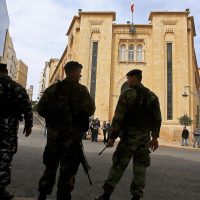
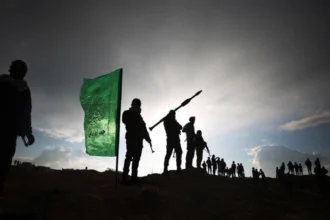
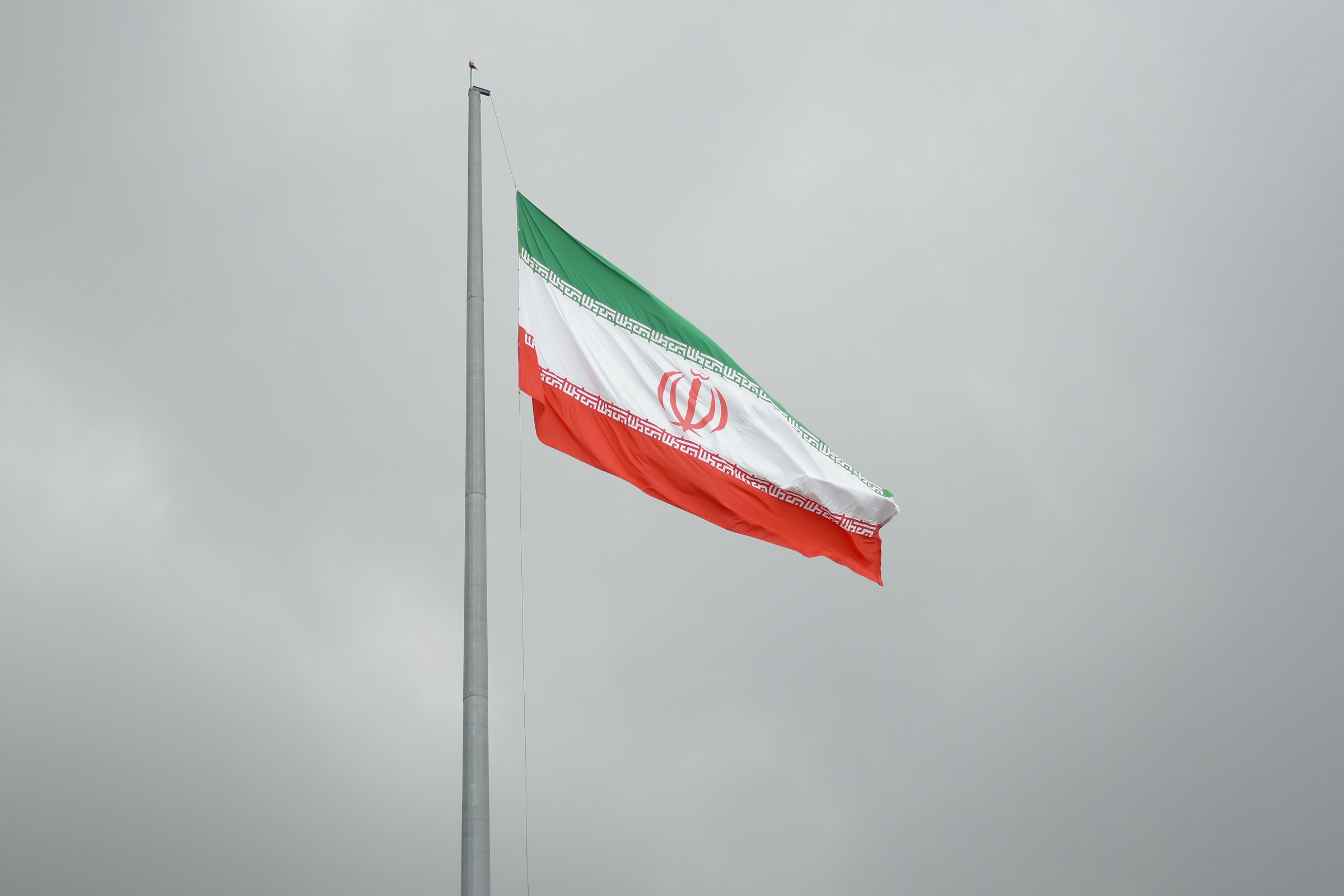
The conflict in Lebanon adds another layer of complexity to the US Iran peace talks. Iran has made it clear that any permanent ceasefire with the United States must also include a cessation of Israeli military operations against Hezbollah. Iranian President Masoud Pezeshkian has labeled this a mandatory condition for any deal. Conversely, the U.S. and Israel maintain that the situation in Lebanon is a separate conflict and should not be bundled with the direct negotiations between Washington and Tehran. This “linkage” strategy by Iran is designed to protect its regional proxies, while the U.S. seeks to isolate the bilateral issues to achieve a faster resolution.
Global trade and the high cost of failure
Beyond the immediate diplomatic maneuvering, the Islamabad summit serves as a stark litmus test for the future of global maritime law and energy security. If Tehran successfully normalizes the concept of transit fees for the Strait of Hormuz, it could trigger a domino effect where other regional powers seek to monetize vital sea lanes, fundamentally altering the economics of international trade. For European leaders, the stakes are not merely geopolitical but existential, as a failed resolution threatens to bake high energy costs into the continental economy for years. This isn’t just a localized ceasefire attempt; it is a high-stakes gamble on whether the old international order can survive a period of total disruption.
Humanitarian Concerns and Post War Reconstruction
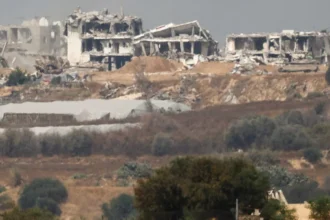
Beyond the geopolitical maneuvering, the US Iran peace talks must address the mounting humanitarian crisis within Iran and the broader region. Months of intense conflict have left critical infrastructure in ruins, and the civilian population is facing severe shortages of medicine and food due to the combined effects of war and sanctions. Tehran is pushing for a massive reconstruction fund as part of any final agreement, arguing that the U.S. and its allies bear responsibility for the destruction. Washington, meanwhile, is hesitant to provide direct financial aid that could be diverted to remilitarization, preferring to offer humanitarian corridors managed by neutral third parties.
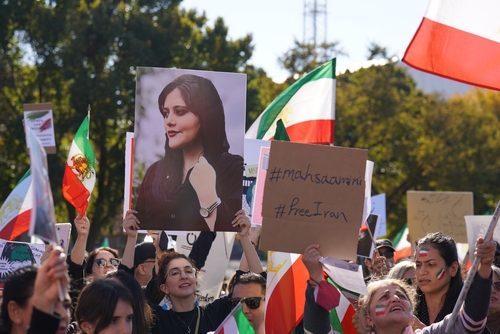
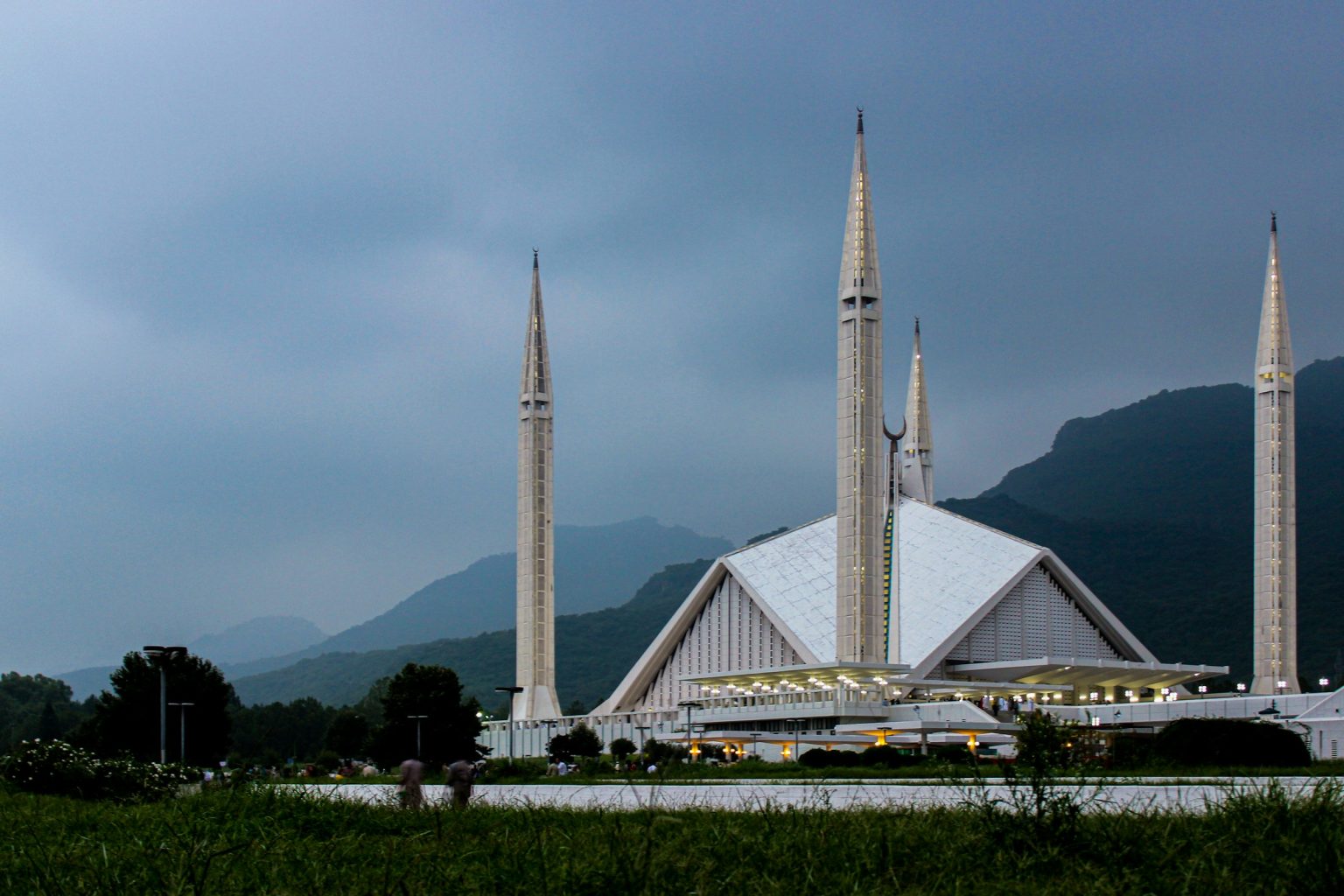
The role of the United Nations in the US Iran peace talks has been largely advisory, but there is growing pressure for the UN to oversee the monitoring of any agreed-upon truce. Without a neutral body to verify compliance, the risk of a “spark” reigniting the war remains high. In the streets of Islamabad, small groups of activists have gathered to demand that the leaders prioritize human lives over strategic points. As the sun sets over the Margalla Hills, the weight of millions of lives hangs in the balance of the US Iran peace talks, a process that remains the only viable alternative to a catastrophic total war.