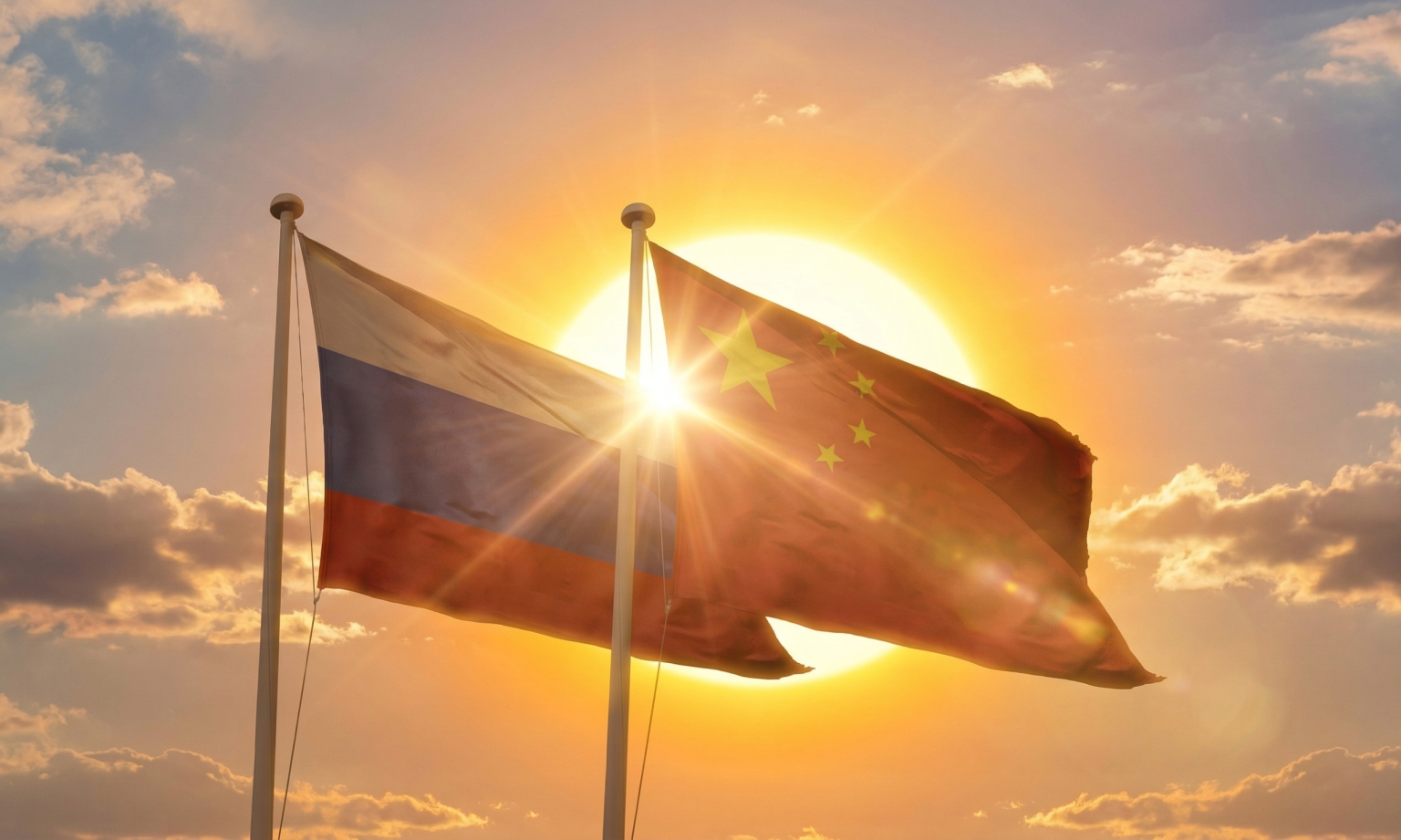
New York, April 7, 2026 — Brussels Morning Newspaper — The UN Security Council faced a critical deadlock as China and Russia exercised their veto power to block a Bahrain-led resolution aimed at reopening the Strait of Hormuz. Eleven members voted in favor, while two abstained, leaving the measure unpassed. The draft resolution sought to coordinate international efforts to safeguard commercial shipping and ensure freedom of navigation amid Iran’s blockade of the strategic waterway. Analysts warn that this veto undermines the UN Security Council’s credibility, complicates U.S. diplomatic pressure, and highlights the deep geopolitical divide among major powers over energy security and regional stability in the Gulf.
UN Security Council Faces Deadlock in New York
On Tuesday, the UN Security Council faced a significant deadlock as China and Russia exercised their veto power to block a resolution aimed at reopening the Strait of Hormuz. The draft resolution, proposed by Bahrain, sought to ensure freedom of navigation in this strategically vital waterway, which has been effectively closed for over a month amid ongoing tensions with Iran. Eleven member states voted in favor, while two abstained, leaving the resolution unpassed.
The veto highlights the complexities facing the UN Security Council as it attempts to address global security threats while balancing strategic interests. The Strait of Hormuz remains a critical chokepoint, handling nearly one-fifth of the world’s oil and liquefied natural gas exports. The resolution was intended to coordinate defensive measures to protect commercial shipping and prevent further economic disruption.
Voting Outcome and Member Reactions
The 15-member UN Security Council failed to adopt the Bahrain-led measure despite majority support. Nations backing the resolution included the United States, United Kingdom, France, and several smaller states. Colombia and Pakistan abstained, while Russia and China opposed the text, citing concerns that it could escalate military conflict and failed to reflect the regional complexity of the crisis.
Global analysts have pointed out that the veto underlines the strategic differences among major powers. Russia benefits from the surge in oil prices, which help fund its operations in Ukraine, while China seeks to protect its energy supply routes without endorsing U.S. military involvement. Despite the economic pain caused by rising oil costs, both countries maintained their opposition, framing the resolution as potentially provocative.
Context of the Gulf Crisis
The UN Security Council vote took place under the looming shadow of an 8:00 p.m. ET deadline set by U.S. President Donald Trump, who warned Iran that failure to reopen the Strait of Hormuz could lead to strikes on civilian infrastructure. The Gulf conflict began on February 28 when joint U.S. and Israeli airstrikes targeted Iranian military and nuclear sites. Tehran retaliated with missile and drone attacks against U.S. bases, Israel, and Gulf states including Bahrain, Kuwait, and the UAE.
Iran’s Revolutionary Guard Corps subsequently declared the Strait of Hormuz closed to what it called
“unfriendly nations,”
while allowing passage to select vessels from China, Russia, and India. Many ships signaled their national affiliations electronically to avoid confrontation. The blockade disrupted nearly 20 percent of global oil exports, driving Brent crude to a peak of $126 per barrel in March.
Global consequences of the UN Security Council deadlock
The veto by China and Russia not only exposes divisions within the UN Security Council but also signals a growing strategic assertiveness that could reshape global diplomacy. For Europe, reliance on Gulf oil supplies means prolonged uncertainty in energy markets and pressure to diversify sourcing or accelerate renewable alternatives. For the U.S., the stalemate complicates its ability to rally international support for potential military or economic responses, while signaling to Iran that major powers may shield it from coordinated pressure. Looking ahead, this deadlock could encourage regional actors to pursue unilateral measures, increase risk to commercial shipping, and further destabilize an already tense geopolitical landscape.
Revision Attempts and Diplomatic Tensions
Negotiators made several attempts to revise the resolution to avoid a veto. Early drafts invoked Chapter VII of the UN Charter, which would have authorized the use of force if necessary to reopen the strait. To secure broader support, language authorizing military action was removed, yet China and Russia maintained their opposition.
The veto demonstrates the difficulties the UN Security Council faces in balancing security imperatives with geopolitical interests. While most member states sought to ensure the uninterrupted flow of international shipping, China and Russia prioritized preventing military escalation and protecting their strategic influence in the region.
Strategic Implications of the Veto
The deadlock at the UN Security Council has broad global implications. Shipping companies now face heightened risks when navigating the Strait of Hormuz, potentially delaying cargo deliveries and increasing insurance and transport costs. The veto could also embolden Tehran, allowing selective passage for friendly nations while maintaining a strong bargaining position against the West.
Experts warn that the absence of a unified UN Security Council response leaves a vacuum that could be filled by unilateral military actions or regional alliances. The veto underscores how major powers can influence global governance mechanisms, even in crises affecting international trade and energy markets.
Global Energy and Economic Impact
The Strait of Hormuz blockade has sent ripples across global energy markets. Oil and gas prices surged, while exporters scrambled to find alternative routes. The uncertainty has heightened concerns about inflation, supply chain disruptions, and economic stability in both energy-importing and energy-exporting nations.
The UN Security Council’s inability to pass the resolution highlights the fragility of international governance in moments of acute geopolitical tension. The veto has further intensified discussions among policymakers regarding alternative measures to maintain energy security without triggering direct military confrontation.