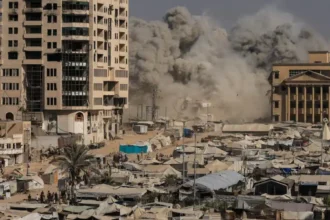
Southern Lebanon, April 6, 2026 — Brussels Morning Newspaper — Israel air strike Lebanon has intensified tensions in 2026 after at least seven people were reported killed in southern Lebanon following a targeted strike. The incident marks another escalation in cross-border hostilities, raising concerns about the potential for a broader regional conflict.
Local sources confirmed that the strike hit a populated area, triggering emergency responses and widespread fear among residents. The latest developments underscore the fragile security situation along the Israel-Lebanon border.
Civilian Impact and Immediate Aftermath
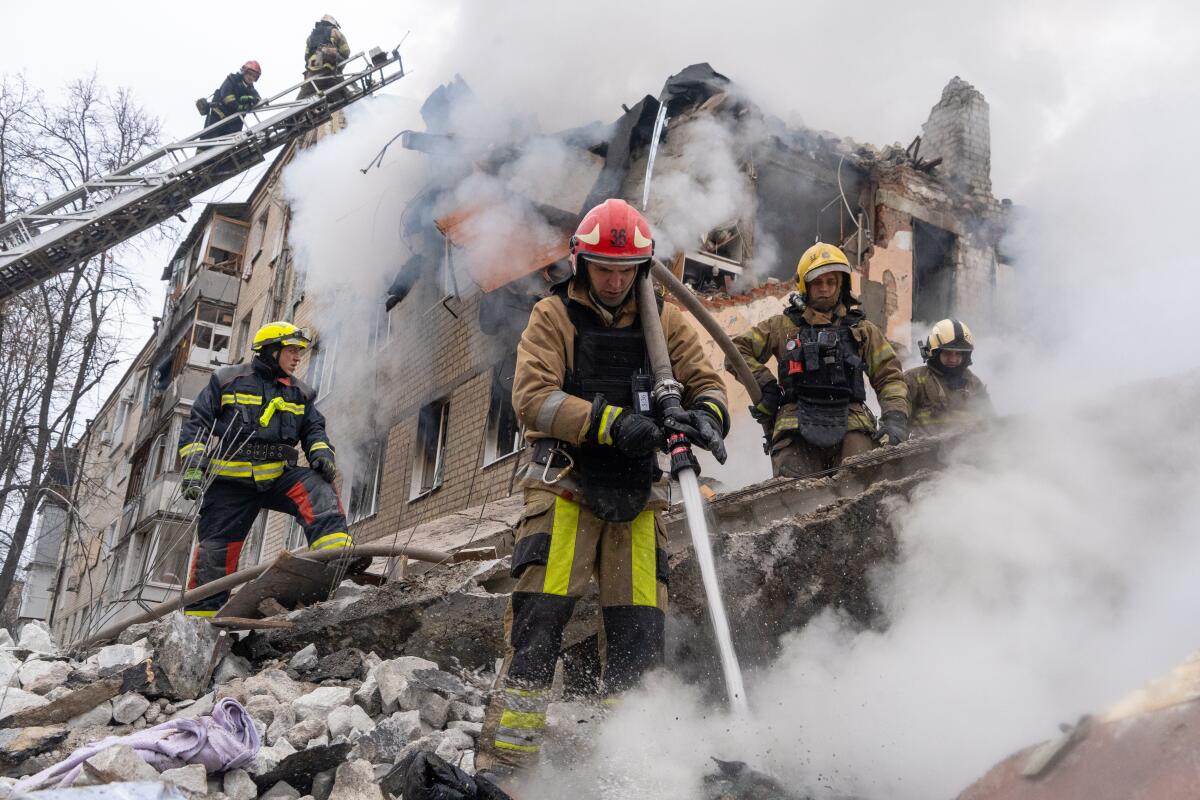
The Israel air strike Lebanon reportedly resulted in multiple casualties, with emergency responders rushing to the scene to assist victims and assess the extent of the damage. Buildings in the affected area sustained significant structural damage, and nearby communities experienced shockwaves from the blast.
Witnesses described scenes of chaos as rescue teams worked to clear debris and search for survivors.
A regional observer stated:
“The impact of this Israel air strike Lebanon goes beyond immediate casualties—it deepens fear and uncertainty for civilians living in already volatile areas.”
The human toll continues to rise as officials gather more information.
Rising Tensions Along the Border
The Israel air strike Lebanon reflects growing tensions along the border, where sporadic exchanges have become increasingly frequent. Analysts warn that repeated incidents could lead to sustained conflict if not contained.
Security experts believe that the strike may have been aimed at specific targets, although details remain limited. The broader implications, however, suggest a shift toward more aggressive engagement.
Connection to Wider Regional Conflict
The escalation following the Israel air strike Lebanon is closely tied to broader geopolitical tensions involving Israel, Iran, and allied groups in the region. The situation has been further complicated by recent developments, including internal debates within US leadership regarding military strategy.
Observers note that the interconnected nature of regional conflicts increases the risk of spillover, where localized incidents can quickly escalate into wider confrontations.
International Reactions and Diplomatic Efforts
Global reactions to the Israel air strike Lebanon have been swift, with multiple countries calling for restraint and urging diplomatic solutions. International organizations have expressed concern over the potential for further escalation.
The United States reaffirmed its support for Israel’s security while also emphasizing the importance of avoiding actions that could intensify the conflict.
Diplomatic efforts are ongoing, but the path to de-escalation remains uncertain.
Economic and Strategic Implications
The Israel air strike Lebanon carries broader economic and strategic implications. Increased instability in the region can affect trade, investment, and overall economic confidence.
Key concerns include:
- Disruptions to regional trade routes
- Increased security costs
- Potential impact on global markets
The situation highlights the interconnected nature of geopolitical and economic risks.
Humanitarian Concerns and Regional Stability
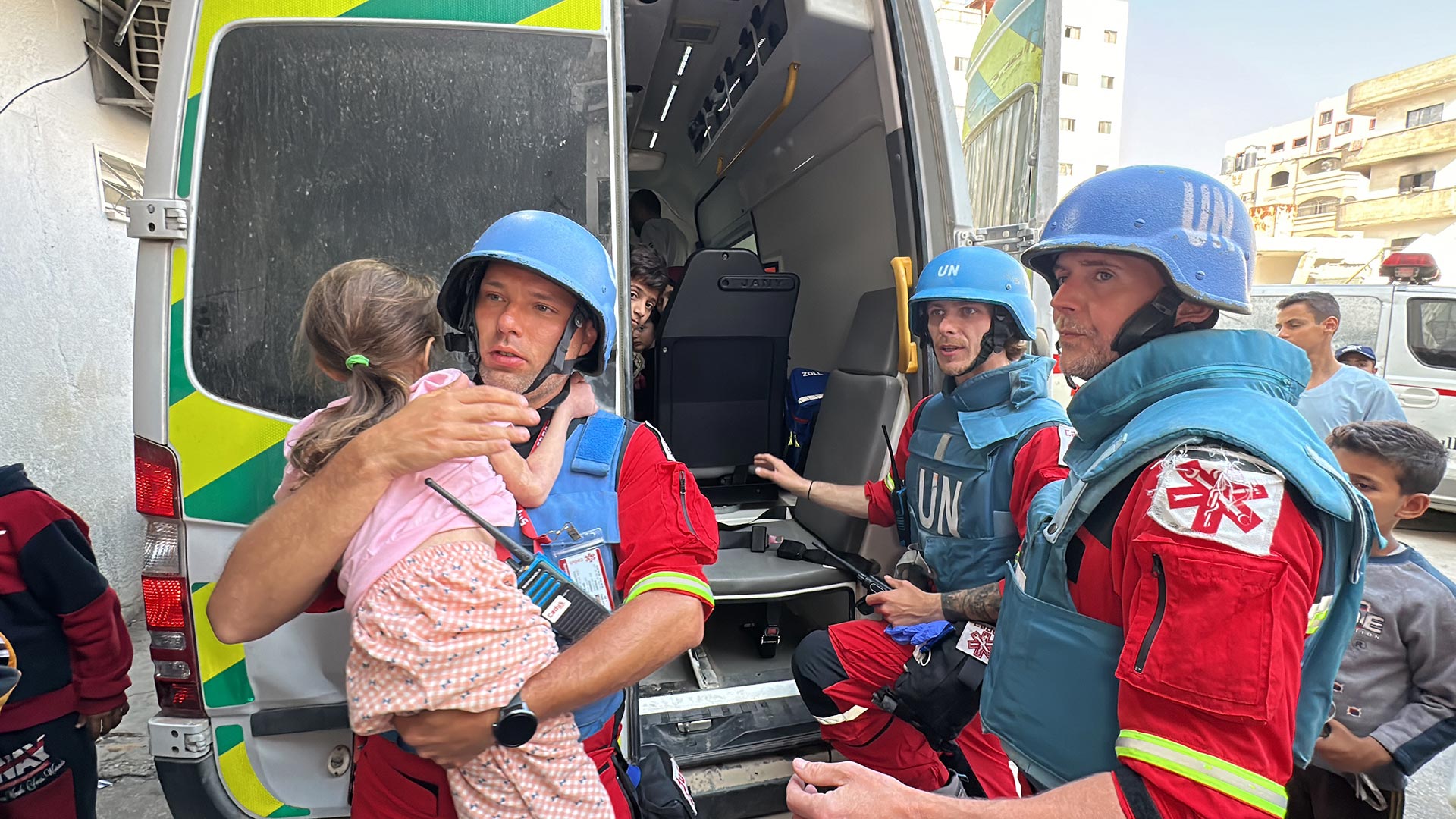
The humanitarian impact of the Israel air strike Lebanon is a growing concern. Civilians in affected areas face ongoing risks, including displacement and limited access to essential services.
Humanitarian organizations are calling for increased support and protection for vulnerable populations.
The incident underscores the importance of prioritizing civilian safety in conflict zones.
What Comes Next?
The future trajectory following the Israel air strike Lebanon remains uncertain. Analysts are closely monitoring developments, including potential retaliatory actions and diplomatic responses.
Key factors to watch include:
- Further military engagements
- Progress in negotiations
- Changes in regional alliances
The coming days will be critical in determining whether tensions escalate or stabilize.
Escalation Raises Global Concerns
The Israel air strike Lebanon that left seven dead represents a significant escalation in an already volatile region. The incident highlights the ongoing risks of cross-border conflict and the challenges of maintaining stability.
In summary:
- Seven people were killed in southern Lebanon following an air strike
- Tensions along the Israel-Lebanon border are rising
- Global leaders are calling for restraint
- The risk of broader conflict remains high