Persian Gulf, April 6, 2026 — Brussels Morning Newspaper — Israel maritime security is at the center of a rapidly escalating geopolitical crisis in 2026, as Iran’s Revolutionary Guards confirmed strikes on vessels allegedly connected to the United States and Israel. The developments have intensified global concerns about the safety of critical shipping routes and the potential for a broader regional conflict.
- Iran’s Targeted Operations and Strategic Messaging
- Connection to Broader US-Iran Tensions
- Impact on Global Shipping and Trade
- Israel’s Strategic Response and Security Measures
- US and International Reactions
- Geopolitical Implications for the Region
- Economic and Human Impact
- Future Outlook: Escalation or Containment?
- A Defining Moment for Israel Maritime Security
The situation highlights growing vulnerabilities in maritime operations across the Persian Gulf and surrounding waters, where tensions have been steadily building amid ongoing military and political confrontations.
Iran’s Targeted Operations and Strategic Messaging
Iran’s Revolutionary Guards described the operations as deliberate and strategic, targeting vessels believed to support adversarial logistics networks. While details remain limited, officials emphasized that the actions were part of a defensive posture in response to perceived threats.
A geopolitical analyst explained:
“This is a calculated move that blends military action with strategic messaging. It’s about influence, deterrence, and control over vital waterways.”
The implications for Israel maritime security are significant, as these actions directly challenge the safety of vessels associated with Israeli interests.
Connection to Broader US-Iran Tensions
The escalation affecting Israel maritime security is closely tied to the ongoing conflict between Iran and the United States. The recent resignation of a top counterterrorism official in protest of US military actions has added another layer of complexity to the situation.
Observers suggest that internal divisions within US leadership could influence future policy decisions, potentially impacting how the crisis unfolds. Meanwhile, Iran continues to frame its maritime actions as necessary measures within a broader defensive strategy.
Impact on Global Shipping and Trade
The growing risks to Israel maritime security extend far beyond regional concerns. The affected waterways are among the most critical trade routes in the world, responsible for transporting a substantial share of global energy supplies.
Shipping companies are increasingly cautious, with some rerouting vessels to avoid high-risk areas. This shift is contributing to higher operational costs and delays across supply chains.
Key impacts include:
- Rising insurance premiums for vessels
- Increased fuel and transportation costs
- Potential disruptions in global oil supply
The ripple effects are being felt across international markets, with investors closely monitoring developments.
Israel’s Strategic Response and Security Measures
Israel has not publicly confirmed involvement in the targeted vessels but is reportedly enhancing its maritime security posture. Increased surveillance, coordination with allies, and readiness measures are believed to be part of the response strategy.
Security experts warn that maintaining Israel maritime security will require a delicate balance between deterrence and avoiding further escalation.
A regional defense expert stated:
“Protecting maritime assets is essential, but every move must be carefully calibrated to prevent a wider conflict.”
US and International Reactions
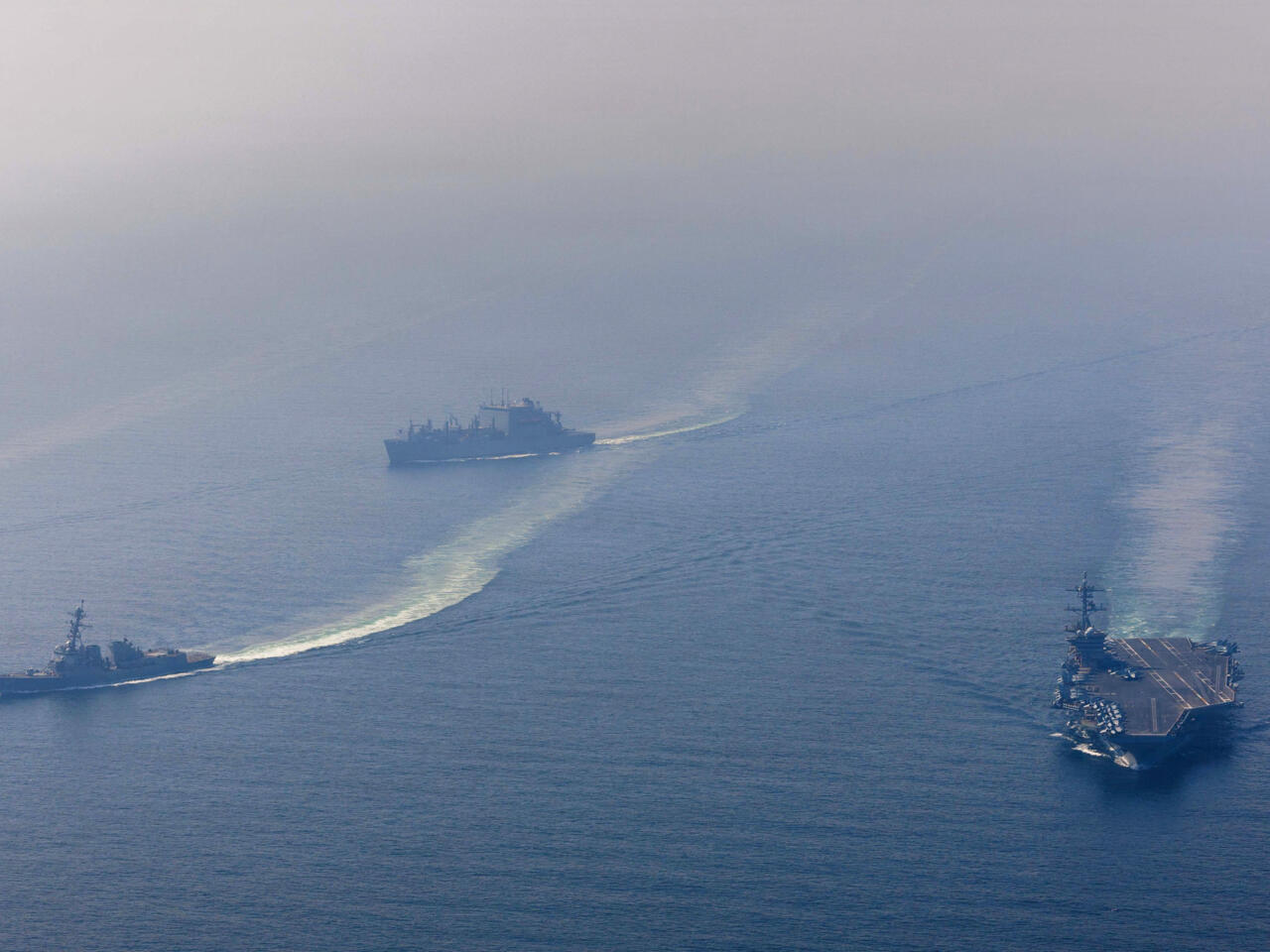
The United States has condemned the attacks, emphasizing the importance of safeguarding international shipping lanes. Officials have indicated that additional naval deployments and protective measures may be implemented.
International stakeholders are also calling for restraint, urging all parties to prioritize diplomatic solutions over military escalation.
Despite these efforts, the situation remains volatile, with the potential for rapid developments.
Geopolitical Implications for the Region
The challenges facing Israel maritime security reflect broader shifts in global geopolitics. Maritime domains are increasingly becoming arenas for strategic competition, with nations leveraging their positions to exert influence.
Key implications include:
- Greater militarization of shipping routes
- Increased risk of proxy conflicts
- Expanded involvement of global powers
These trends suggest that maritime security will play an increasingly central role in future conflicts.
Economic and Human Impact
The consequences of threats to Israel maritime security are not limited to strategic considerations. Seafarers operating in high-risk areas face significant dangers, while businesses dependent on stable trade routes must navigate growing uncertainty.
Industries worldwide could experience:
- Supply chain disruptions
- Increased costs for goods and services
- Reduced economic stability
The human toll, particularly for those directly involved in maritime operations, remains a critical concern.
Future Outlook: Escalation or Containment?
The future of Israel maritime security will depend on several key factors, including diplomatic efforts, military responses, and the actions of regional actors.
Some analysts believe the current situation may stabilize if negotiations gain traction. Others warn that the risk of escalation remains high, particularly if additional incidents occur.
Critical developments to watch include:
- Potential retaliatory actions
- Changes in military deployments
- Progress in diplomatic negotiations
A Defining Moment for Israel Maritime Security
The current crisis represents a defining moment for Israel maritime security. The targeting of vessels linked to Israel underscores the evolving nature of modern conflict, where maritime domains play a crucial role.
In summary:
- Israel maritime security is under increasing threat from targeted ship attacks
- Global shipping routes and energy markets face heightened risk
- Diplomatic efforts are ongoing but uncertain
- The situation remains highly volatile with potential for escalation