Beirut, April 5, 2026 — Brussels Morning Newspaper — Israel military strikes Lebanon have intensified significantly, with civilians increasingly caught in the crossfire as the conflict expands. The latest wave of operations has targeted multiple regions, triggering widespread concern over the humanitarian consequences and the growing number of affected families.
- Humanitarian Crisis Deepens Across Affected Areas
- Displacement Surges as Communities Seek Safety
- Infrastructure Damage Disrupts Daily Life
- International Community Calls for Restraint
- Regional Tensions Continue to Escalate
- Economic and Social Impact Expands
- Global Attention and Media Coverage Intensify
- Uncertain Outlook Amid Ongoing Conflict
- Key TakeWays
Reports indicate rising casualties, damaged residential areas, and widespread fear among civilians seeking safety. The rapid escalation has forced many to flee their homes, leaving behind livelihoods and essential resources.
The situation remains fluid, with international observers closely tracking developments on the ground.
Humanitarian Crisis Deepens Across Affected Areas
As Israel military strikes Lebanon continue, the humanitarian situation is deteriorating rapidly. Hospitals are under strain, struggling to treat the injured amid shortages of medical supplies and personnel.
Access to basic services such as electricity, clean water, and food has become increasingly limited in several regions. Aid organizations warn that the crisis could worsen if hostilities persist at the current pace.
Displacement Surges as Communities Seek Safety
The ongoing Israel military strikes Lebanon have led to significant displacement, with thousands of civilians moving to safer areas in search of shelter. Temporary housing facilities are becoming overcrowded, placing additional pressure on already strained resources.
Families are facing uncertainty and fear, as the conflict disrupts daily life and separates communities. Many displaced individuals lack access to adequate support, increasing their vulnerability.
The psychological toll is also mounting, particularly among children and elderly populations.
Infrastructure Damage Disrupts Daily Life
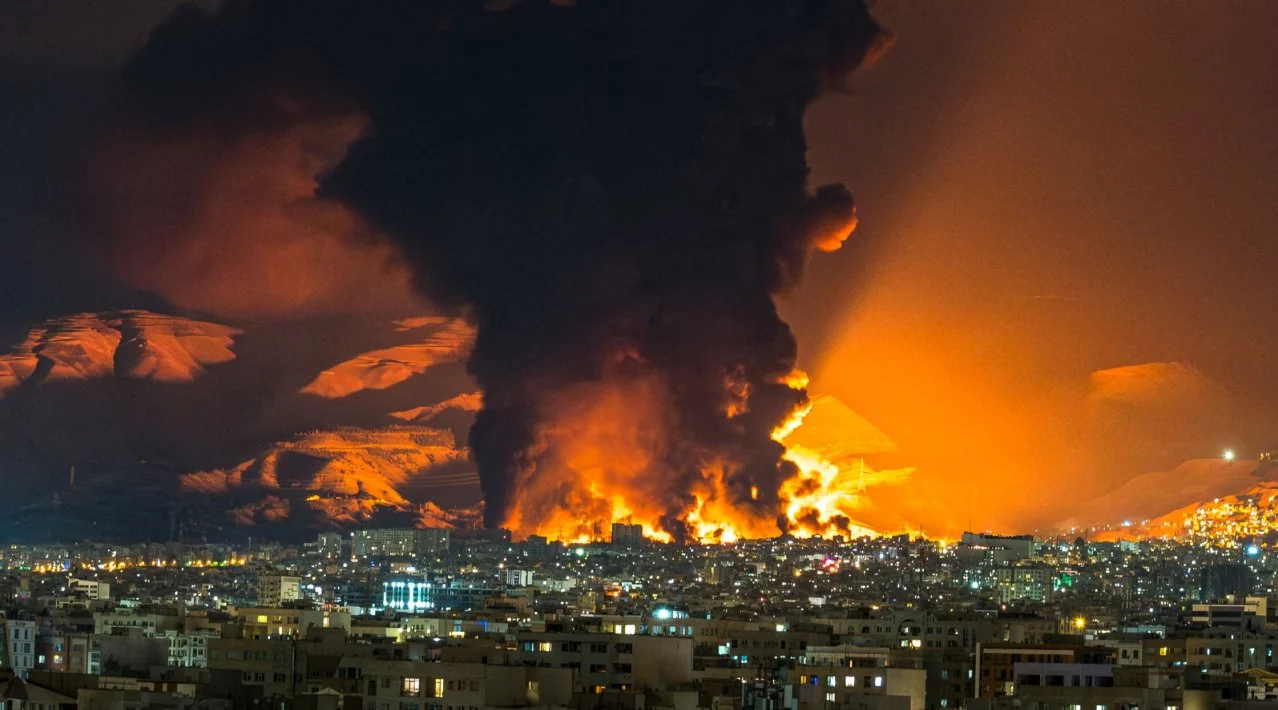
Critical infrastructure has been heavily impacted by Israel military strikes Lebanon, worsening the challenges faced by civilians. Roads, bridges, and residential buildings have sustained damage, limiting mobility and complicating relief efforts.
Power outages and water shortages are becoming more frequent, further straining communities already under stress. The destruction of essential services has made it increasingly difficult for humanitarian aid to reach affected populations.
Experts warn that rebuilding damaged infrastructure will require significant time and resources.
International Community Calls for Restraint
The escalation of Israel military strikes Lebanon has prompted strong reactions from global leaders and international organizations. Many have called for restraint and emphasized the importance of protecting civilian lives.
Diplomatic efforts are ongoing, with discussions focused on reducing tensions and addressing humanitarian concerns. However, progress remains limited as the situation continues to evolve.
an international official stated.
“The current trajectory is deeply concerning.”
Regional Tensions Continue to Escalate
The broader implications of Israel military strikes Lebanon extend beyond the immediate conflict, raising concerns about regional stability. Neighboring countries are closely monitoring the situation, wary of potential escalation.
Analysts suggest that the current developments highlight the fragile nature of the region’s security environment. Any further escalation could have far-reaching consequences.
The situation underscores the complexity of the geopolitical landscape in the Middle East.
Economic and Social Impact Expands
Beyond the immediate humanitarian crisis, Israel military strikes Lebanon are having significant economic and social effects. Businesses have been disrupted, and many individuals have lost their primary sources of income.
The economic strain is expected to deepen as infrastructure damage increases and recovery efforts become more costly. Education has also been affected, with schools closed or damaged, limiting opportunities for students.
Communities face a long road to recovery, even if hostilities subside in the near future.
Global Attention and Media Coverage Intensify
The impact of Israel military strikes Lebanon has drawn widespread attention from global media, highlighting the urgency of the situation. Images and reports from affected areas have underscored the human cost of the conflict.
Humanitarian organizations are urging the international community to take meaningful action to address the crisis. Increased awareness has brought focus to the need for immediate assistance and long-term solutions.
However, the path forward remains uncertain.
Uncertain Outlook Amid Ongoing Conflict
As Israel military strikes Lebanon continue, the future remains uncertain for civilians caught in the conflict. The lack of a clear resolution raises concerns about prolonged instability and suffering.
Diplomatic efforts are ongoing, but achieving a sustainable solution remains a significant challenge. For now, the focus remains on addressing urgent humanitarian needs and preventing further escalation.
Key TakeWays
Israel military strikes Lebanon have intensified, placing civilians at the center of a growing humanitarian crisis marked by displacement, infrastructure damage, and rising casualties. Global calls for restraint continue as tensions escalate, but uncertainty remains high. The situation highlights the urgent need for humanitarian aid and diplomatic solutions to prevent further suffering.