Dubai, April 5, 2026 — Brussels Morning Newspaper — Middle East energy tensions are reshaping global oil markets as disruptions near the Strait of Hormuz trigger widespread concern over supply stability. In response, OPEC has announced an output increase aimed at easing mounting economic pressure and calming volatile markets.
- OPEC Moves to Offset Supply Risks
- Economic Pressure Intensifies Worldwide
- Market Confidence Remains Fragile
- Strait of Hormuz Remains a Flashpoint
- Oil Prices and Inflation Pressures Rise
- Long-Term Energy Strategy in Focus
- Industry and Investor Outlook
- A Critical Intervention with Uncertain Outcomes
- Key TakeWays
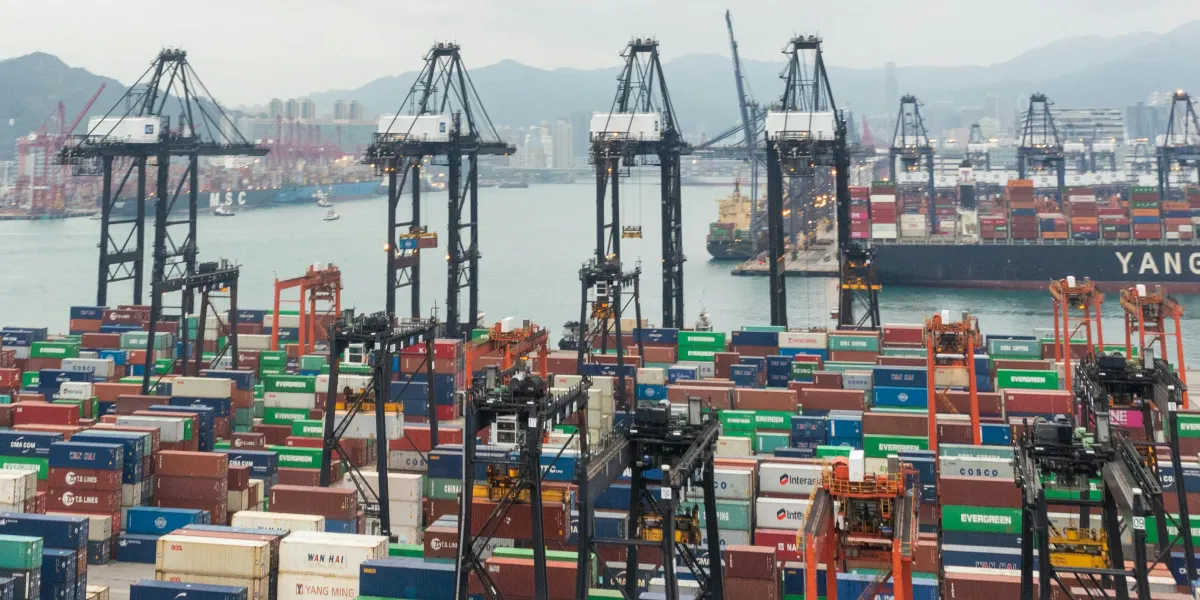
The Strait of Hormuz remains one of the most vital oil transit routes globally, carrying nearly 20% of the world’s crude supply. Any instability in this corridor has immediate and far-reaching consequences for global trade, inflation, and economic performance.
The latest developments have prompted swift action from oil-producing nations seeking to prevent a deeper crisis.
OPEC Moves to Offset Supply Risks
The decision to raise production levels reflects OPEC’s attempt to counterbalance disruptions tied to Middle East energy tensions. By increasing supply, the organization aims to reassure markets and reduce the risk of sharp price spikes.
Market analysts note that while the output boost provides short-term relief, it may not fully offset the risks associated with geopolitical instability.
Economic Pressure Intensifies Worldwide
The ripple effects of Middle East energy tensions are being felt across global economies. Rising oil prices contribute to higher transportation costs, increased manufacturing expenses, and inflationary pressures that impact consumers directly.
Emerging markets are particularly vulnerable, as they rely heavily on imported energy. For these countries, even slight increases in oil prices can strain national budgets and slow economic growth.
The OPEC output increase is intended to mitigate these pressures, but economists warn that sustained instability could limit its effectiveness.
Market Confidence Remains Fragile
A key objective behind OPEC’s strategy is restoring confidence in global energy markets. Middle East energy tensions have created an environment where perception can drive significant price movements.
By signaling a willingness to increase output, OPEC aims to prevent panic-driven reactions among investors and traders. However, confidence remains highly sensitive to developments in the region.
Strait of Hormuz Remains a Flashpoint
The Strait of Hormuz continues to be at the center of Middle East energy tensions, with ongoing geopolitical risks threatening to disrupt one of the world’s most critical shipping lanes.
Any escalation—whether military, political, or economic—could further impact oil flows and exacerbate market volatility. This persistent uncertainty underscores the importance of OPEC’s intervention.
Despite increased output, the underlying risks tied to the region remain unresolved, keeping global markets on edge.
Oil Prices and Inflation Pressures Rise
Oil prices have shown increased volatility as Middle East energy tensions intensify. While OPEC’s output boost has helped stabilize prices temporarily, fluctuations are expected to continue.
Higher energy costs often translate into broader inflation, affecting industries ranging from transportation to agriculture. Consumers worldwide may feel the impact through rising fuel prices and increased costs of goods and services.
Central banks are also closely monitoring the situation, as sustained energy-driven inflation could influence monetary policy decisions.
Long-Term Energy Strategy in Focus
The current crisis highlights the need for long-term energy resilience. Middle East energy tensions have once again exposed the vulnerabilities of global supply chains that depend heavily on a single region.
Governments are increasingly investing in alternative energy sources, strategic reserves, and diversified supply routes to reduce dependence on high-risk areas.
This shift toward energy diversification could accelerate as nations seek to protect their economies from future disruptions.
Industry and Investor Outlook
Energy companies and investors are closely tracking how Middle East energy tensions will evolve in the coming weeks. The OPEC output boost has provided some reassurance, but uncertainty continues to dominate market sentiment.
Short-term forecasts suggest continued volatility, with oil prices likely to respond quickly to any new developments in the region.
one analyst said.
“The next move will depend on geopolitical developments as much as supply fundamentals.”
A Critical Intervention with Uncertain Outcomes
OPEC’s decision represents a calculated effort to stabilize markets amid escalating Middle East energy tensions. By increasing production, the organization hopes to prevent a deeper economic shock and maintain supply continuity.
However, the effectiveness of this strategy depends largely on external factors, including geopolitical stability and global demand patterns.
While the move offers temporary relief, long-term solutions will require broader cooperation and strategic planning.

Key TakeWays
Middle East energy tensions are driving global market uncertainty as disruptions in the Strait of Hormuz threaten oil supply. OPEC’s output boost aims to stabilize prices and ease economic pressure, but ongoing geopolitical risks continue to cloud the outlook. Markets remain volatile, with investors and policymakers closely watching for further developments.