US Supreme Court hears landmark executive power case in Washington, United States in 2026.
Justices examine constitutional limits and separation of powers.
Decision could redefine presidential authority nationwide.
Washington, United States – February 21, 2026 – Brussels Morning Newspaper — The US Supreme Court heard arguments this week in a closely watched constitutional case that could reshape the limits of presidential authority in the United States. The dispute places executive power under judicial scrutiny, with implications that extend well beyond the specific policy at issue. Legal scholars and lawmakers alike are closely observing the proceedings, recognizing that the decision may redefine how future administrations interpret statutory authority.
The hearing unfolded before a packed courtroom, with both sides presenting sharply contrasting interpretations of constitutional boundaries. At stake is the balance of power among the three branches of government — a core principle embedded in the nation’s founding framework.
Constitutional Structure at the Center of the Case
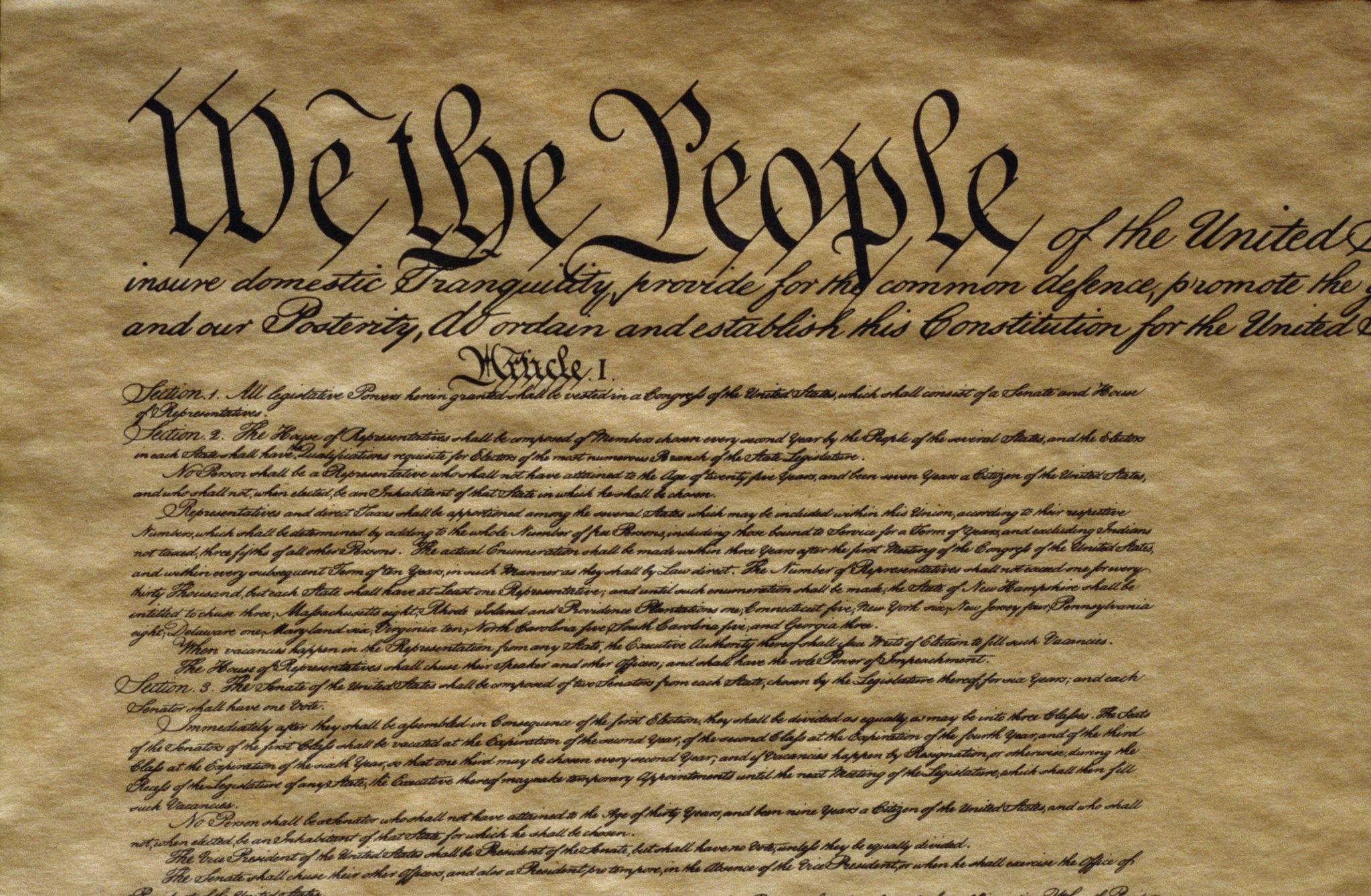
The Constitution establishes a system designed to prevent concentrated authority. Legislative power resides in Congress, executive power in the presidency, and judicial power in the courts. In reviewing this case, the US Supreme Court is evaluating whether executive actions remained within the authority granted by Congress and consistent with constitutional principles.
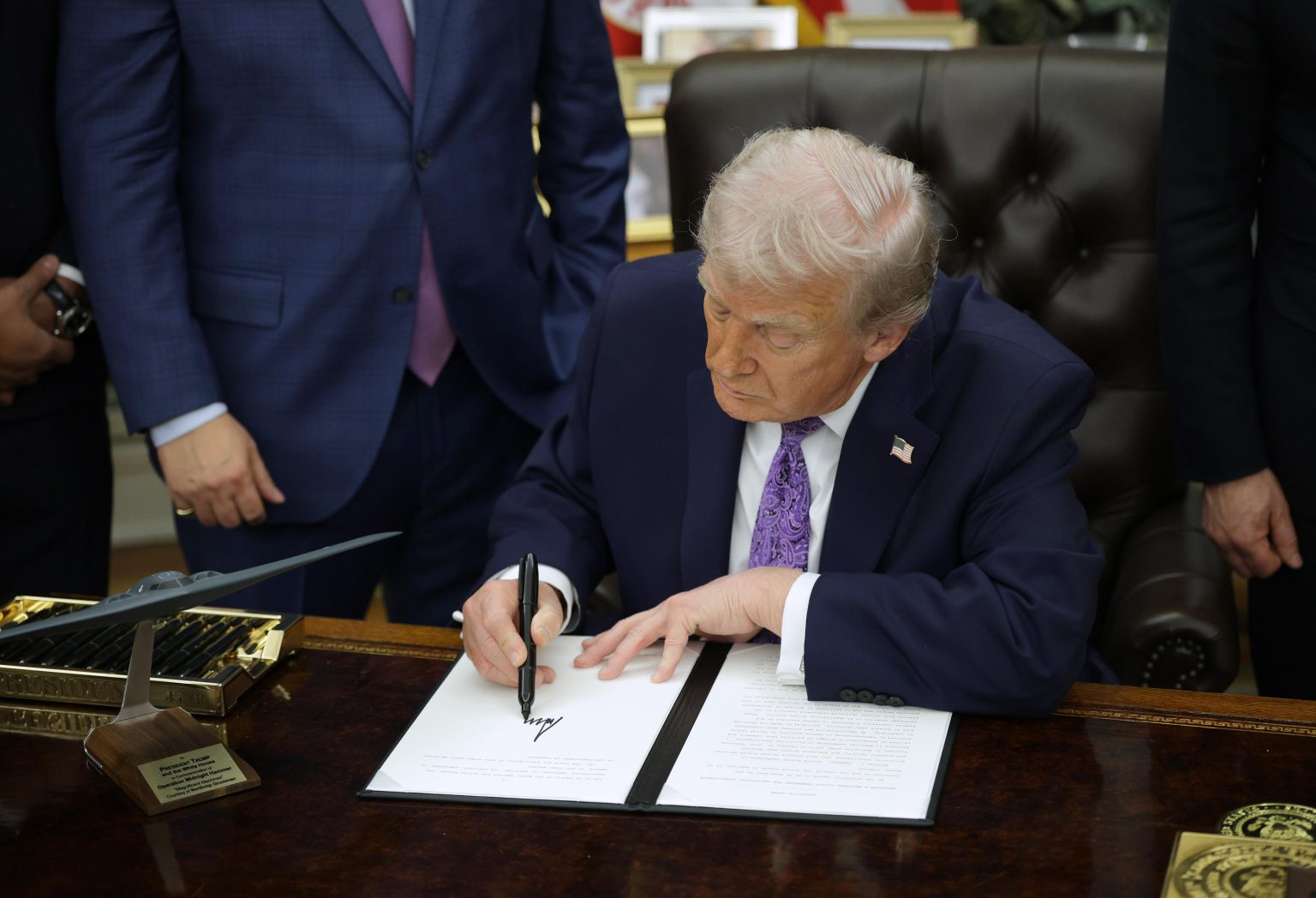
Central to the debate is Article II, which defines executive authority. Attorneys representing the administration argued that the president possesses broad discretion to interpret federal statutes in carrying out national responsibilities. They contended that flexibility is essential for effective governance in a modern administrative state.
Opponents maintained that statutory language clearly limits the executive branch’s reach. They urged the Court to reaffirm that presidential power cannot extend beyond boundaries explicitly defined by Congress.
The justices focused heavily on statutory interpretation, legislative intent, and historical precedent during oral arguments, signaling careful consideration of long-term institutional consequences.
Arguments Presented Before the Justices
During extended exchanges, several members of the US Supreme Court questioned whether the executive action reflected a faithful execution of the law or an expansion beyond congressional authorization.
Government counsel emphasized practical governance challenges. They argued that rigid limitations could hinder timely responses to national issues, particularly in areas involving federal regulation and enforcement priorities.
Challengers countered that separation of powers requires judicial vigilance. They asserted that allowing broad unilateral authority risks eroding congressional oversight and diminishing democratic accountability.
A constitutional law professor observing the proceedings stated, “The Court is being asked to draw a clear constitutional line, one that will influence executive behavior long after this administration.”
The tone of questioning suggested that the justices are weighing both legal text and structural implications carefully.
Historical Foundations of Executive Authority
Throughout American history, disputes over presidential power have reached the judiciary during moments of national tension. The US Supreme Court has played a defining role in clarifying the boundaries of executive action.
In earlier eras, landmark rulings addressed emergency powers, administrative discretion, and the relationship between federal agencies and Congress. Each decision contributed to a developing doctrine that balances effective leadership with constitutional restraint.
Today’s case echoes those earlier debates. While political contexts evolve, the underlying constitutional question remains consistent: how to preserve separation of powers while enabling functional governance.
Legal historians note that judicial restraint and measured reasoning have historically guided the Court in cases involving executive authority. That tradition appears to continue in the current proceedings.
Political Reaction Across the Nation
The case has generated widespread discussion in Washington and across the country. Lawmakers from both parties have publicly articulated their constitutional perspectives, though the US Supreme Court remains institutionally insulated from political pressure.
Advocacy groups gathered outside the Court during oral arguments, underscoring the public interest surrounding the issue. Civic organizations and universities hosted forums examining the broader constitutional stakes.
Public reaction reflects deeper philosophical differences regarding executive flexibility versus legislative supremacy. Some argue that modern governance demands broader discretion for presidents. Others insist that congressional authorization must remain the guiding principle.
Despite political commentary, the judiciary’s role remains focused on interpreting law rather than shaping policy preferences.
Implications for Federal Governance
The outcome of this case could have significant administrative consequences. Federal agencies often rely on executive directives to implement regulatory frameworks. A ruling narrowing executive authority could require clearer statutory mandates before agencies act.
Alternatively, if the Court affirms broader executive discretion, presidents may gain expanded interpretive flexibility in enforcing federal law. Such clarity could influence regulatory consistency across administrations.
The US Supreme Court decision will also provide guidance to lower courts that have issued varying interpretations in related disputes. Legal uniformity at the national level would reduce uncertainty for states, businesses, and administrative bodies.
Economic analysts suggest that markets often respond positively to legal clarity, particularly when federal enforcement authority is at issue.
Institutional Integrity and Judicial Responsibility
Observers note that the Court’s responsibility extends beyond resolving a single dispute. The US Supreme Court must consider how its reasoning will influence constitutional interpretation for decades.
Judicial opinions in executive power cases often become foundational precedents cited in future litigation. Careful articulation of principles ensures continuity and predictability in governance.
One former federal appellate judge commented,
“The decision will likely become a reference point for how presidents approach statutory interpretation in the years ahead.”
The justices appeared mindful of the broader institutional impact during questioning, suggesting a deliberate and measured approach to drafting the forthcoming opinion.
A History of Checks and Balances
The American constitutional system is built upon checks and balances. Over time, the US Supreme Court has reaffirmed this structure in numerous high-profile cases involving executive action.
From early disputes in the nineteenth century to twentieth-century rulings on administrative power, judicial oversight has remained a constant feature of governance. These historical precedents reinforce the judiciary’s duty to ensure that no branch exceeds its constitutional mandate.
The present case represents another chapter in that ongoing narrative. While political contexts shift, the structural principles remain intact.
Broader Democratic Significance
Beyond legal technicalities, the case carries symbolic importance. The US Supreme Court stands as a guardian of constitutional boundaries, reinforcing public trust in institutional stability.
The decision will demonstrate how constitutional mechanisms function in contemporary governance. By clarifying limits, the Court strengthens democratic accountability while preserving executive functionality.
Civic educators emphasize that such cases highlight the importance of constitutional literacy. Public understanding of separation of powers fosters informed civic engagement.
Awaiting the Final Ruling
The nation now awaits a written opinion expected later in 2026. The US Supreme Court is known for issuing comprehensive rulings in cases involving structural constitutional questions.
Legal experts anticipate a detailed analysis addressing statutory interpretation, legislative intent, and constitutional doctrine. The opinion may include concurring or dissenting perspectives that further illuminate judicial reasoning.
Regardless of outcome, the ruling will shape executive governance long into the future.
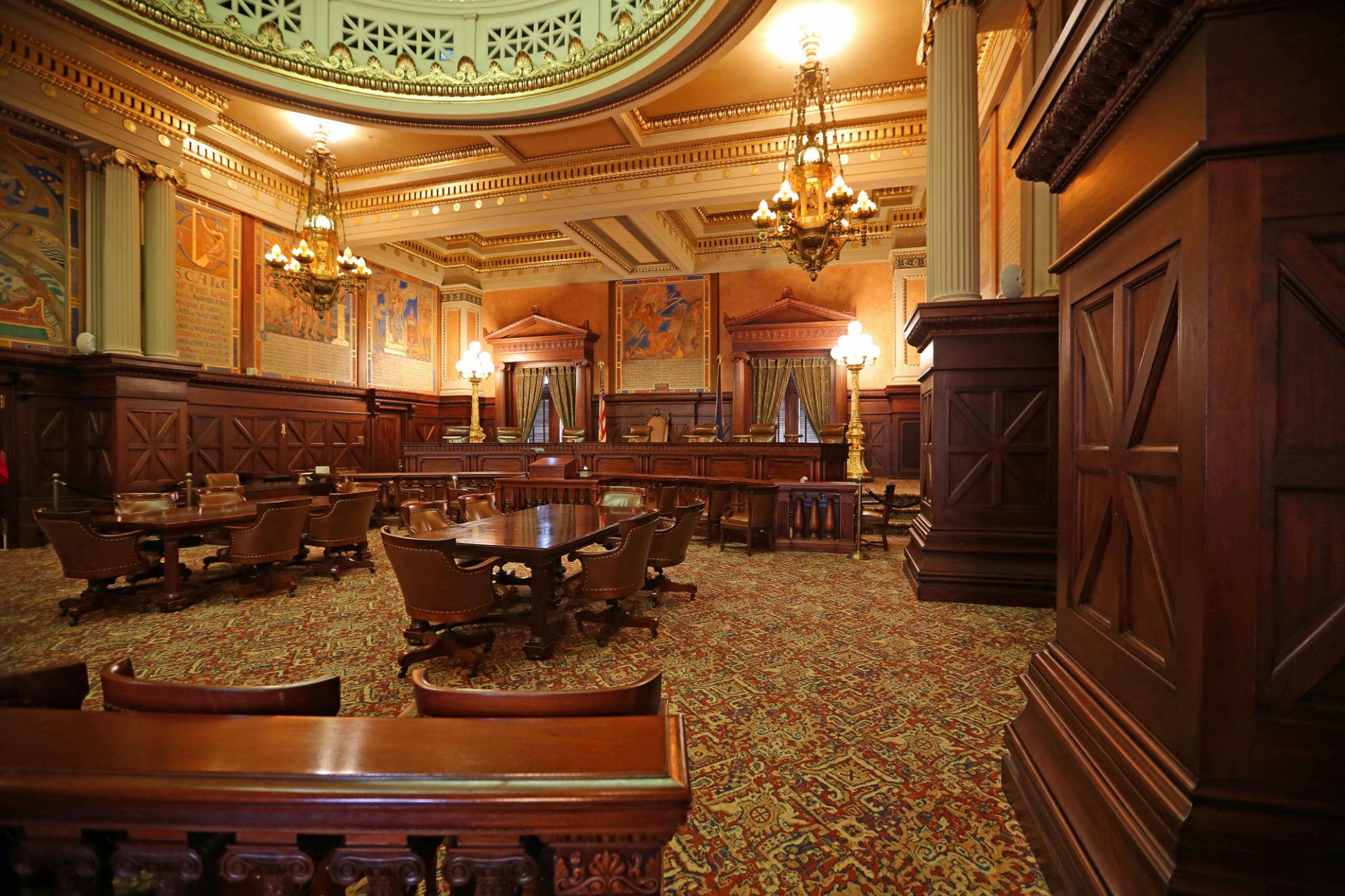
Constitutional Boundaries in a Modern Era
As Washington reflects on the significance of the hearing, the proceedings underscore a central truth: constitutional interpretation is both enduring and adaptive. The US Supreme Court serves as the final arbiter when institutional boundaries are tested.
This case will stand as a defining moment in contemporary governance. It reinforces that executive authority exists within a framework defined by law and shaped by judicial interpretation.
In Washington, United States in 2026, the constitutional balance remains active and resilient, demonstrating the continued strength of democratic institutions.