
US tariff relief takes effect in 2026, influencing Europe Inc trade strategy from Brussels, Belgium.
European exporters gain temporary cost advantages under revised conditions.
Long term compliance rules may redefine transatlantic competition.
Brussels, Belgium – February 21, 2026 – Brussels Morning Newspaper — The implementation of US tariff relief in 2026 is altering the strategic landscape for Europe Inc as exporters, policymakers, and investors reassess transatlantic trade relations. While the measure reduces certain import duties that had strained economic ties, the framework introduces conditional mechanisms designed to protect domestic industries in the United States. The shift has triggered cautious optimism across Brussels, where officials acknowledge both opportunity and complexity in the evolving agreement.
European trade representatives described the decision as a stabilizing development, though analysts emphasize that the structural conditions embedded within the arrangement will influence corporate behavior well beyond the current year.
Immediate Trade Adjustments Across Key Industries
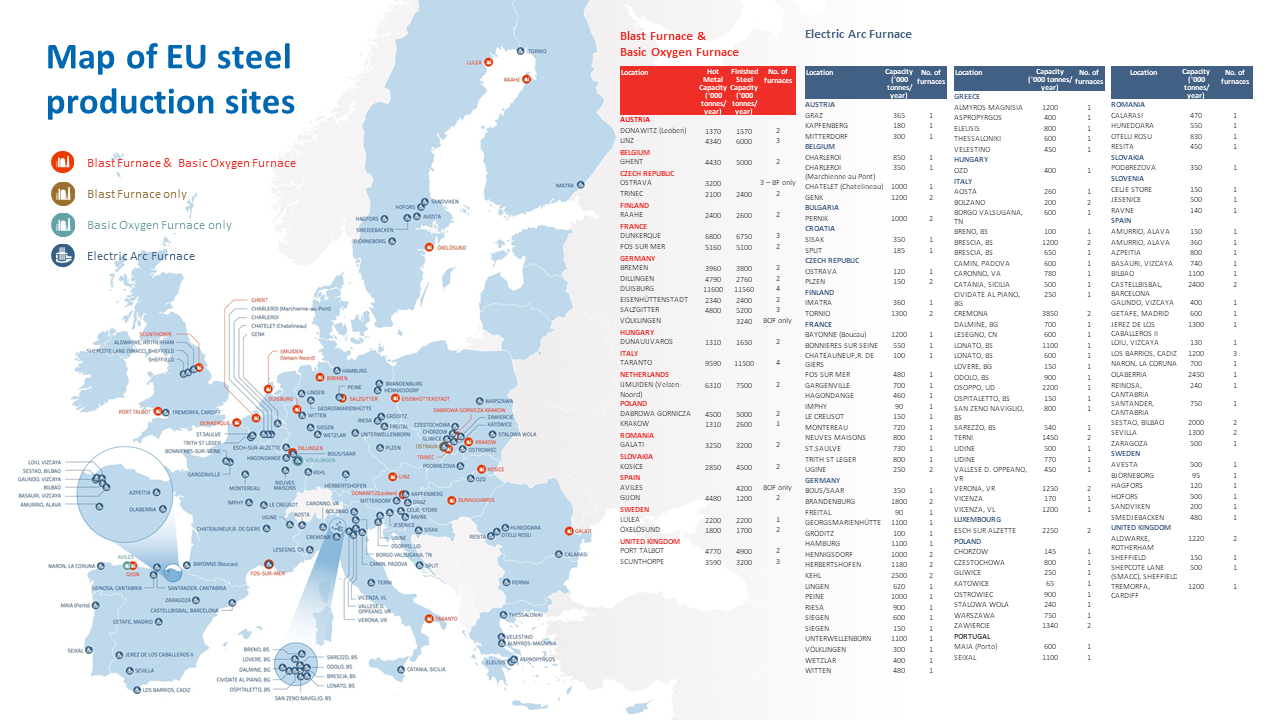
The introduction of US tariff relief brings measurable short term benefits to European manufacturers. Steel and aluminum producers, previously constrained by elevated duties, now gain improved access to the American market within defined quota limits. This access restores partial competitiveness for exporters serving infrastructure, automotive, and heavy machinery sectors.
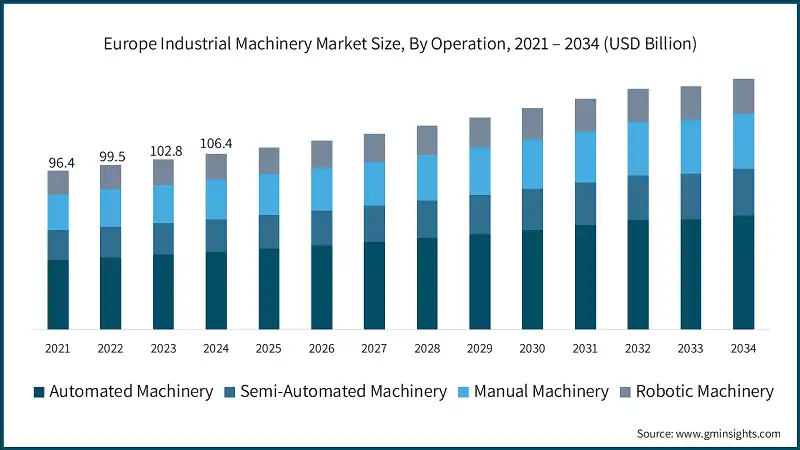
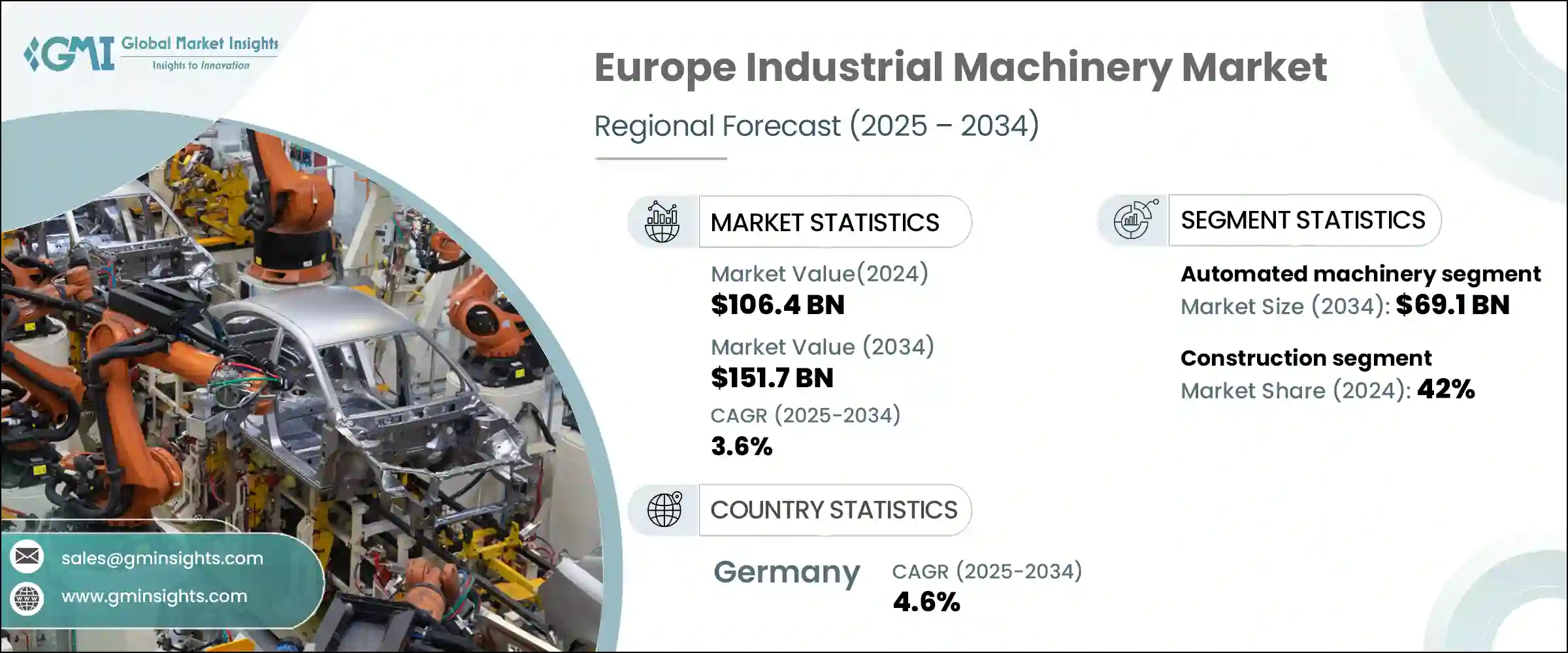
Industrial equipment manufacturers similarly anticipate enhanced contract flow. Lower import duties reduce landed costs for American buyers, improving price positioning for European firms competing globally. However, companies remain attentive to shipment ceilings that could trigger the reapplication of tariffs if exceeded.
Agricultural exports experience a narrower scope of impact. Although selected categories benefit indirectly from improved diplomatic momentum, many food and agricultural products remain governed by existing regulatory and sanitary frameworks.
Financial analysts suggest that the real significance of US tariff relief lies in its signaling effect. Markets often interpret such policy recalibrations as indicators of broader diplomatic alignment.
The Architecture of Managed Trade
Modern trade agreements increasingly reflect managed frameworks rather than absolute liberalization. In the case of US tariff relief, quota thresholds and monitoring mechanisms define the operational structure. These safeguards ensure that tariff reductions remain balanced against domestic industrial protection.
Exporters must now track shipment volumes precisely. Digital logistics systems and compliance teams are expanding across Europe to manage reporting obligations effectively. Firms that fail to adhere to quota boundaries risk immediate reinstatement of duties, underscoring the conditional nature of the arrangement.
Trade policy experts describe this approach as pragmatic. It offers flexibility while preserving leverage for policymakers on both sides of the Atlantic.
Corporate Strategy in a Conditional Environment
Executives across Europe Inc are recalibrating strategies in response to US tariff relief. Many firms are refining production schedules to align with quota allocations. Others are diversifying export destinations to mitigate dependency on American demand.
Compliance infrastructure has become a strategic priority. Companies are investing in customs expertise, regulatory analytics, and cross border advisory services to ensure smooth execution under the revised framework.
A Brussels based trade economist observed,
“The agreement creates opportunity, but it rewards discipline and foresight.”
Corporate leaders emphasize that agility and data driven decision making will determine which firms capitalize most effectively on the revised tariff environment.
Political Dynamics Behind the Adjustment
The diplomatic backdrop to US tariff relief reflects sustained engagement between European and American officials seeking to reduce friction while preserving strategic autonomy. Policymakers in Washington aimed to balance domestic manufacturing priorities with alliance stability.
In Brussels, leaders welcomed incremental normalization but stressed the importance of predictability. The arrangement represents compromise rather than sweeping reform.
Observers note that transatlantic relations often oscillate between tension and cooperation. The current framework signals constructive engagement, though broader industrial policy debates remain ongoing.
Historical Evolution of Transatlantic Tariff Policy
Trade tensions between Europe and the United States have surfaced periodically across decades. Episodes involving steel safeguards, agricultural subsidies, and aerospace competition have shaped economic diplomacy.
The present phase of US tariff relief echoes earlier recalibrations where duties imposed during disputes were later adjusted through negotiation. Historically, such cycles have aimed to preserve long term alliances while addressing short term political pressures.
Understanding this context highlights that tariff policy is inherently dynamic, influenced by domestic economics and global competition.
Market Response and Investor Confidence
European equity markets responded with moderate gains following confirmation of US tariff relief. Industrial conglomerates saw incremental increases in share value, reflecting optimism tempered by awareness of conditional thresholds.
Currency markets exhibited limited volatility, suggesting that investors had anticipated some degree of policy adjustment. Analysts caution, however, that sustained confidence will depend on consistent enforcement and diplomatic continuity.
Investment firms recommend diversification strategies, advising exporters to balance opportunities under the new framework with prudent risk management.
Broader Economic Implications
Beyond immediate sectoral gains, US tariff relief may influence supply chain architecture. Companies are evaluating procurement strategies, inventory management, and logistics partnerships to optimize quota utilization.
Energy equipment and renewable technology producers anticipate potential collaboration opportunities under smoother trade conditions. Advanced manufacturing sectors, including aerospace and medical devices, are similarly assessing long term positioning.
Economists emphasize that tariff policy constitutes only one dimension of competitiveness. Labor costs, technological innovation, and regulatory efficiency remain equally critical determinants.
Small and Medium Enterprises in Focus
For smaller exporters, administrative complexity presents both challenge and opportunity. Larger multinational corporations possess in house compliance teams, while small and medium enterprises rely on advisory networks to navigate requirements.
Business associations in Brussels have initiated outreach programs to educate exporters about documentation standards linked to US tariff relief. Ensuring equitable participation remains central to inclusive economic growth.
Policymakers stress that clarity and transparency are essential to prevent disproportionate burdens on smaller firms.
Consumer and Price Level Effects
Although industrial sectors dominate headlines, indirect consumer effects may follow. Reduced input costs can contribute to modest pricing adjustments in durable goods markets.
Retail analysts anticipate gradual shifts rather than immediate price reductions. Supply chain efficiency and currency fluctuations often exert stronger influence than tariff margins alone.
Still, stabilization in transatlantic trade relations contributes to broader economic confidence among businesses and households.
Strategic Outlook for 2027 and Beyond
Looking ahead, policymakers will monitor trade data closely to evaluate the sustainability of US tariff relief. Early indicators suggest stabilization without significant disruption to domestic markets.
Future negotiations may address complementary issues such as regulatory harmonization, digital trade, and sustainability standards. Broader cooperation could strengthen long term resilience.
However, analysts caution that political transitions or economic shocks could prompt reassessment of existing arrangements.
Europe Inc at a Strategic Crossroads
Europe Inc stands at a strategic juncture shaped by opportunity and complexity. The revised framework surrounding US tariff relief offers cost advantages yet demands disciplined execution.
Companies that integrate compliance, innovation, and diversification into their strategies are best positioned to thrive. Those relying solely on temporary cost reductions risk vulnerability if conditions shift.
The evolution of global commerce underscores that adaptability remains the defining trait of successful enterprises.
A Defining Moment in Modern Trade Diplomacy
The introduction of US tariff relief in Brussels in 2026 marks a defining moment in transatlantic economic diplomacy. Immediate benefits coexist with structural safeguards, reflecting the nuanced character of contemporary trade policy.
The balance between cooperation and protection now defines the transatlantic relationship. As global markets navigate uncertainty, disciplined management and diplomatic engagement will determine the durability of progress.
Europe Inc enters the second half of 2026 with renewed access to American markets but heightened responsibility to operate within managed parameters.