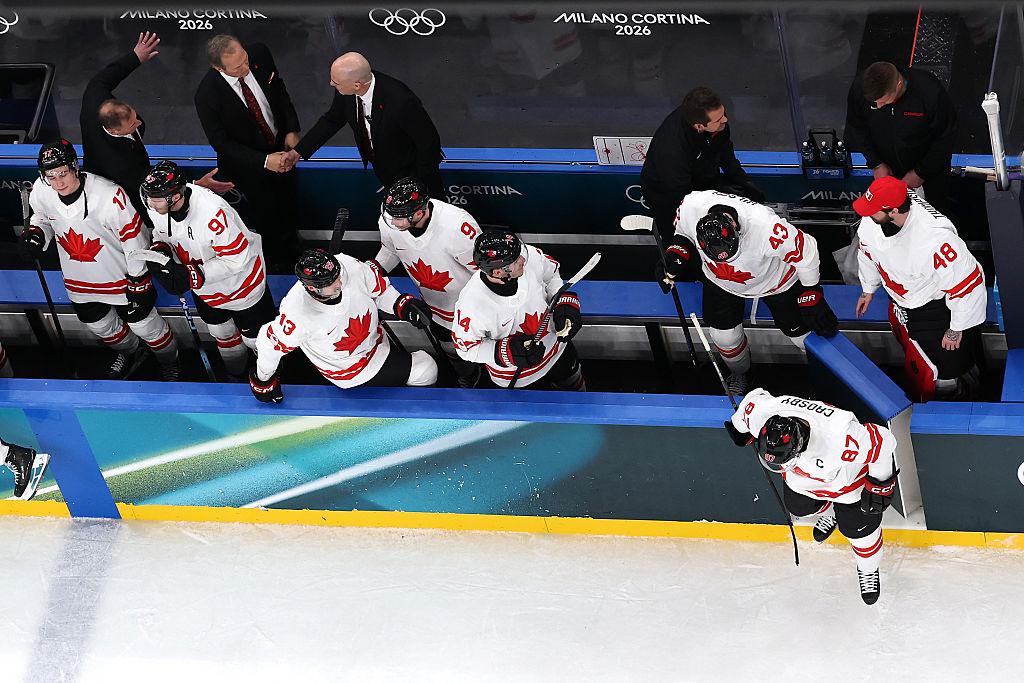
Milan, Italy – February 20, 2026 — Brussels Morning Newspaper— Canada Olympic hockey entered the Winter Games semifinal carrying the weight of expectation that accompanies every Olympic appearance. The red and white jerseys stepped onto the ice inside a packed Milan arena knowing that history, legacy, and national pride converge at this stage of competition. In 2026, the spotlight burns brighter than ever as Canada Olympic hockey confronts one of its most emotionally charged semifinal matchups in recent memory.
The semifinal represents more than a single elimination contest. It stands as a defining moment within the broader narrative of Canada Olympic hockey, where every Olympic cycle renews debates about legacy, generational transition, and the enduring standard of excellence associated with the maple leaf.
A Tournament Defined by Momentum
The road to the semifinal unfolded through tightly contested group stage battles and a disciplined quarterfinal victory. Each round tested depth and conditioning. Canada Olympic hockey demonstrated structured defensive play, efficient puck movement, and patient power play execution throughout the preliminary phase.
Momentum often determines Olympic outcomes. Unlike professional leagues, there is no extended series to recover from a slow start. Every shift matters. The coaching staff emphasized composure, urging players to focus on controllable details such as faceoff discipline, neutral zone positioning, and line changes.
Throughout the tournament, the team displayed balanced scoring. Veterans contributed leadership while emerging players seized expanded ice time. Analysts noted that adaptability has long defined Canada Olympic hockey during international play.
Injury Alters the Semifinal Landscape
Hours before puck drop, confirmation of a key injury shifted the emotional tone surrounding the matchup. Line combinations were restructured, and special teams units adjusted. The semifinal became not only a test of skill but also a measure of resilience.
In Olympic tournaments, roster changes amplify quickly. Depth is essential. Canada Olympic hockey historically prepares for adversity by cultivating interchangeable systems that allow players to assume multiple roles.
Coaches stressed calm execution rather than dramatic overhaul. The message inside the locker room centered on trust in preparation and confidence in collective responsibility.
Tactical Realignment Under Pressure
With adjustments required, tactical nuance became paramount. Coaches recalibrated zone entries to maintain puck possession while reducing exposure to counterattacks. Defensive pairings were rotated to maintain freshness against a high tempo opponent.
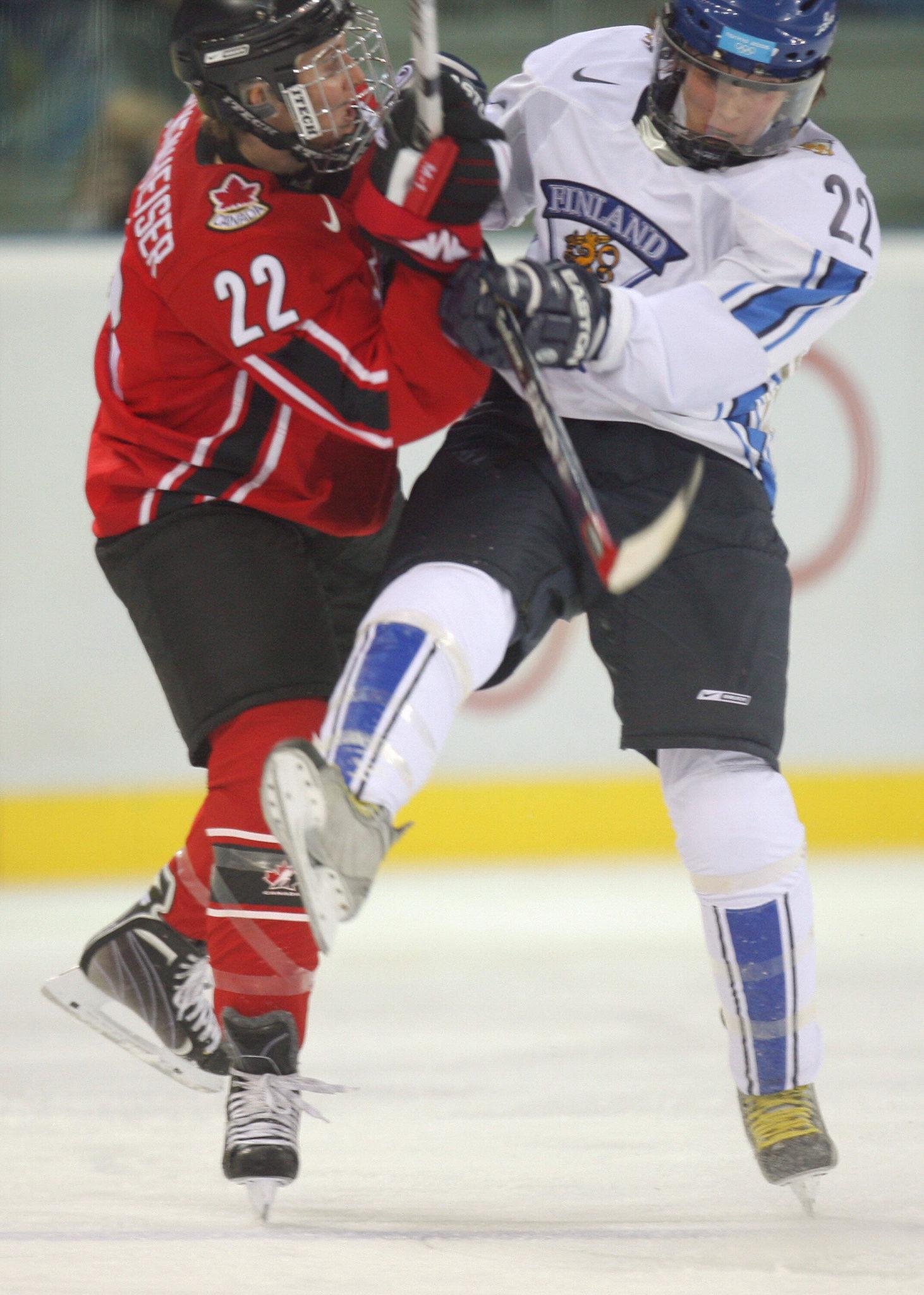
The power play structure emphasized lateral puck movement to create shooting lanes. Penalty killing units focused on active sticks and disciplined shot blocking. Canada Olympic hockey has long relied on structured defensive layers to manage semifinal intensity.
Faceoffs carried heightened importance. Controlling possession allowed strategic deployment of offensive lines and preserved energy for later stages.
The Emotional Weight of the Maple Leaf
Representing one’s country at the Olympic Games carries unmatched symbolism. Players spoke about childhood memories of watching gold medal moments and dreaming of wearing national colors. That emotional resonance intensifies semifinal stakes.
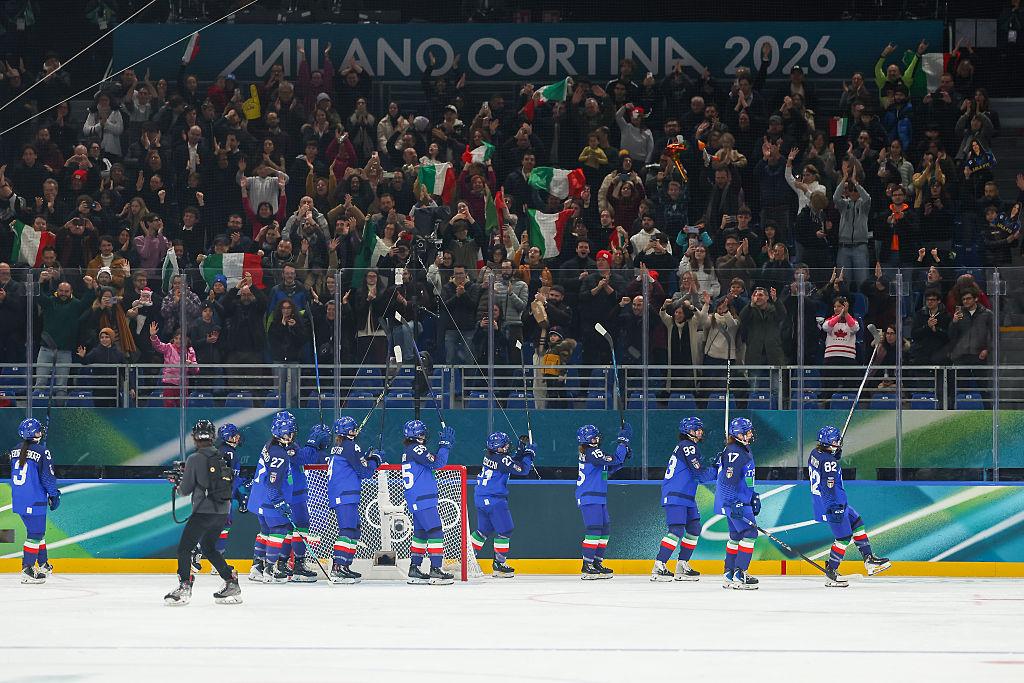
Inside the Milan arena, Canadian supporters filled sections with flags and coordinated chants. The roar following each successful defensive stand echoed across the rink. Canada Olympic hockey draws a unique connection between athlete and nation.
Veteran leaders emphasized emotional discipline. Olympic atmospheres can energize but also overwhelm. The key lies in channeling passion into structured performance.
Goaltending Stability and Defensive Discipline
Championship tournaments often hinge on defensive reliability. The goaltender delivered poised performances through early rounds, tracking rebounds carefully and communicating clearly with defensemen.
Defense pairs executed tight gap control in the neutral zone. Forwards committed to backchecking assignments, limiting odd man rushes. Canada Olympic hockey systems prioritize layered coverage, ensuring support in transition.
Shot suppression numbers throughout the tournament highlighted disciplined structure. Limiting high danger opportunities reduces reliance on spectacular saves and promotes sustainable control.
Offensive Creativity in High Stakes Moments
Despite defensive emphasis, scoring creativity remains critical. Forwards sought quick give and go sequences and cross ice passes to destabilize defensive formations. Speed through the neutral zone created transitional opportunities.
The semifinal demanded patience. Forcing low percentage shots can generate turnovers and momentum shifts. Canada Olympic hockey encouraged puck cycling to wear down defensive units before attacking high percentage zones.
Players acknowledged that semifinal games often turn on a single rebound or deflection.
Locker Room Unity and Leadership Evolution
Leadership dynamics evolve under adversity. Alternate captains assumed expanded communication roles during intermissions. Coaches reinforced clarity in game plans to prevent uncertainty.
Young players described the semifinal as an education in composure. Observing veteran responses to pressure offered invaluable learning experiences.
Canada Olympic hockey culture emphasizes collective accountability rather than individual spotlight. That philosophy fosters resilience in unpredictable environments.
Fan Engagement Across Canada
Back home, early morning broadcasts drew millions of viewers. Community centers hosted watch parties. Social platforms filled with analysis and encouragement.
The semifinal united provinces across time zones. Canada Olympic hockey represents more than competition; it symbolizes shared identity.
Merchandise sales and youth enrollment in local leagues often spike during Olympic cycles, reflecting the sport’s cultural influence.
International Reaction and Global Perspective
Global media outlets highlighted the semifinal as one of the tournament’s marquee matchups. Analysts across Europe and North America debated strategic adjustments and medal projections.
Canada Olympic hockey remains one of the most scrutinized programs in international sport. With historical success comes heightened expectation.
Opponents prepared meticulously, aware of Canada’s ability to shift tempo quickly.
Historic Comparison
Every Olympic cycle invites reflection on previous eras. From dramatic overtime victories to generational gold medal performances, history shapes perspective. Canada Olympic hockey has experienced triumph and heartbreak alike, reinforcing its reputation for perseverance.
Comparisons to earlier tournaments underscore evolution in playing style. The modern game emphasizes speed and analytics driven adjustments. Yet foundational principles such as disciplined defense and team first culture remain consistent.
Historic parallels remind observers that semifinal adversity often precedes iconic championship moments.
Economic and Cultural Impact
Olympic hockey extends beyond the rink. Sponsorship agreements, broadcasting rights, and merchandise generate substantial economic activity.
Canada Olympic hockey visibility strengthens youth development pipelines and community engagement. Local associations report increased registration following strong Olympic showings.
Culturally, semifinal games become collective experiences, reinforcing national cohesion during winter months.
Psychological Fortitude in Single Elimination Play
Mental resilience differentiates semifinal teams. Sports psychologists often emphasize visualization and breathing techniques to manage adrenaline.
Players discussed focusing on shift by shift execution rather than scoreboard speculation. Canada Olympic hockey preparation includes mental conditioning alongside physical training.
Confidence builds through repetition and trust in teammates.
One Voice of Perspective
Amid tournament intensity, one veteran remarked,
“In moments like this, you lean on preparation and belief in the crest on your jersey.”
The quote encapsulates the emotional core driving semifinal effort.
Strategic Outlook Toward the Medal Round
Should advancement follow, turnaround time between semifinal and final demands rapid recovery protocols. Conditioning staff coordinate hydration and physiotherapy sessions to maintain peak performance.
Video analysis sessions identify micro adjustments necessary for the next opponent. Canada Olympic hockey thrives on incremental improvement between games.
Regardless of semifinal outcome, evaluation processes will inform future international planning.
Developmental Implications for the Next Generation
Young players gain transformative experience in Olympic environments. Exposure to semifinal intensity shapes future leadership roles within national programs.
Coaches view the tournament as both immediate competition and long term investment. Canada Olympic hockey success relies on continuous development cycles integrating junior prospects and veteran mentors.
International tournaments accelerate growth trajectories.
Media Narratives and Public Expectation
Coverage surrounding the semifinal framed the matchup as a legacy defining opportunity. Headlines referenced past gold medal glories and modern competitive challenges.
Public expectation remains unwavering. Canada Olympic hockey carries symbolic weight within global winter sport discourse.
Media scrutiny can amplify pressure, yet seasoned athletes learn to compartmentalize commentary.
The Broader Olympic Context
Hockey occupies a central place within Winter Games programming. Arena energy differs from other venues due to continuous pace and physical engagement.
Milan 2026 showcases state of the art facilities and enthusiastic crowds. Canada Olympic hockey competes within a global festival celebrating athletic excellence.
Shared athlete villages foster camaraderie across disciplines, reinforcing Olympic ideals.
Preparation Beyond the Ice
Nutrition plans, travel logistics, and sleep management contribute to semifinal readiness. Staff coordinate recovery routines to maintain energy levels.
Canada Olympic hockey infrastructure includes performance analysts and sports science consultants dedicated to optimizing marginal gains.
Such preparation supports sustained excellence.
Looking Ahead to Legacy
Semifinals become narrative touchstones within broader Olympic history. Whether culminating in gold or reflection, they shape generational memory.
Canada Olympic hockey will emerge from Milan 2026 with renewed clarity about strengths and developmental priorities.
The journey underscores that excellence requires adaptation, unity, and relentless discipline.
When Ice Becomes Identity
In the quiet moments before puck drop, players glance at the maple leaf stitched across their chests. Semifinal stakes extend beyond medals. They encompass heritage, expectation, and collective aspiration.
Canada Olympic hockey stands resilient at Milan 2026, defined not solely by outcome but by character displayed under global scrutiny.
The semifinal serves as both culmination and beginning, a chapter in an ongoing narrative where tradition meets transformation and the pursuit of excellence endures.