Tokyo, February 8, 2026 — Brussels Morning Newspaper — On a crisp winter morning in the Japanese capital, official tallies and broadcaster projections confirmed a decisive outcome in the national vote, with Prime Minister Sanae Takaichi positioned to retain power with a commanding parliamentary majority. The Japan election results released throughout the day signaled broad voter confidence in the current leadership at a moment of domestic economic pressure and heightened regional uncertainty.
Election authorities said ballots were counted smoothly across all prefectures, with turnout remaining consistent with previous general elections. Analysts noted that the Japan election results reflected voter preference for continuity, particularly in urban centers such as Tokyo, where economic policy and security issues dominated public debate.
Broadcaster Projections Indicate Clear Parliamentary Control
Major national broadcasters began publishing projections shortly after polls closed, showing ruling coalition candidates leading in a large majority of constituencies. By early evening, projections indicated that the coalition had crossed the threshold required for stable governance.
Political observers said the Japan election results were shaped by disciplined campaigning and unified messaging from the ruling bloc. Opposition parties, while vocal on reform, struggled to consolidate support across key districts.
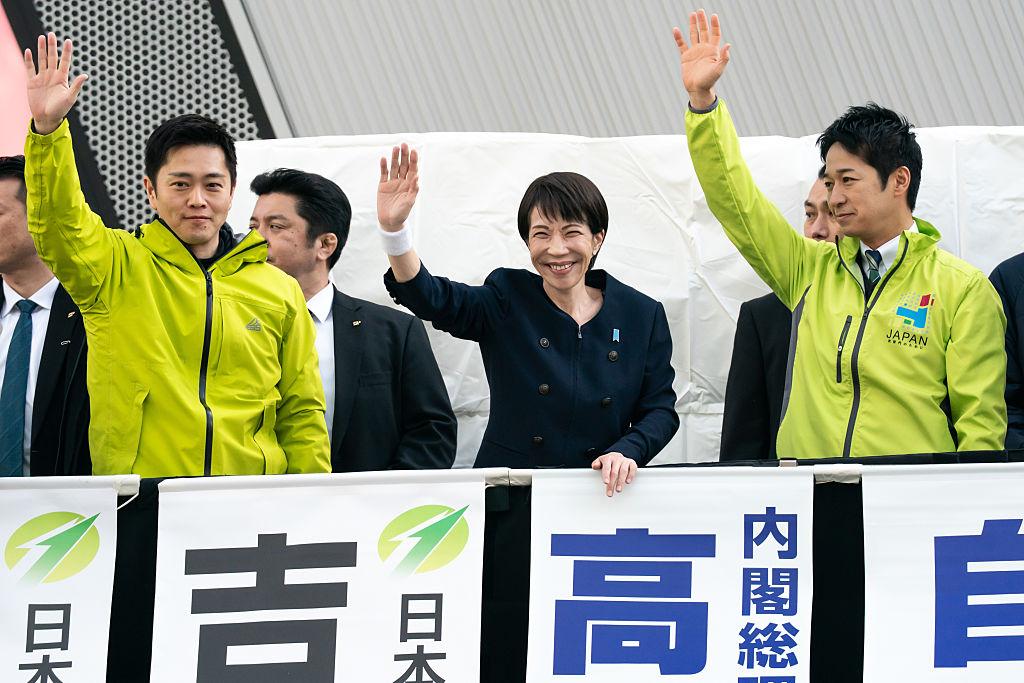
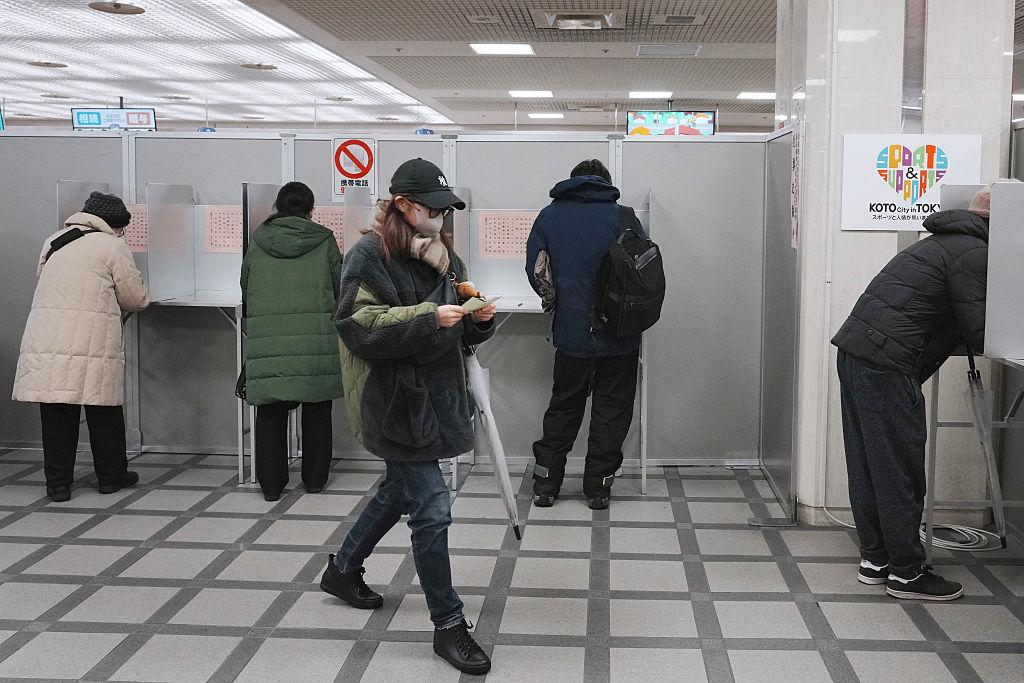
Voting Day Marked by Orderly Process Nationwide
Polling stations opened early across Japan, with long lines reported in several metropolitan areas. Election officials confirmed that voting proceeded without significant disruption, reinforcing confidence in the electoral process.
The orderly conduct of the vote strengthened public trust in the Japan election results, according to independent monitors, who praised transparency and administrative efficiency throughout election day.
Economic Policy Emerges as Central Theme
Economic concerns played a central role in shaping voter sentiment. Rising consumer prices, wage stagnation, and long term fiscal sustainability featured prominently in campaign debates.
Economists said the Japan election results suggest that voters favored incremental reform over abrupt change, particularly as global markets remain volatile and supply chains continue to adjust post pandemic.
Security and Diplomacy Influence Voter Outlook
Regional security dynamics also factored into voter decision making. Japan’s strategic posture in East Asia and its alliance commitments were frequently referenced during the campaign.
Analysts noted that the Japan election results indicate public approval of a steady diplomatic approach, balancing deterrence with dialogue amid shifting geopolitical conditions.
Opposition Parties Face Structural Challenges
Despite targeted efforts in urban districts, opposition parties were unable to significantly erode the ruling coalition’s base. Fragmented leadership and inconsistent policy platforms limited their reach among undecided voters.
Commentators said the Japan election results underscore long standing challenges within the opposition, including difficulties in presenting a unified alternative vision.
Financial Markets React with Cautious Optimism
Markets responded calmly following early projections, with currency and equity movements remaining measured. Investors appeared reassured by expectations of policy continuity.
Financial analysts said the Japan election results reduced near term uncertainty, particularly regarding fiscal coordination and regulatory planning.
Voices from the Electorate
Voters interviewed outside polling stations expressed pragmatic motivations behind their choices.
One Tokyo resident said,
“This election was about stability and experience, not dramatic change.”
Another voter noted,
“People want steady leadership while the economy adjusts.”
A third participant emphasized trust in institutions, stating,
“What mattered most was confidence that the system works.”
Public Reaction Across Urban and Regional Areas
Public reaction following the announcement of projections was largely subdued. Unlike past elections marked by large public gatherings, responses this time reflected quiet acceptance.
Sociologists said the Japan election results reveal a political culture increasingly focused on governance outcomes rather than campaign spectacle.
International Attention on the Outcome
Foreign governments and international organizations closely monitored the vote, given Japan’s economic and strategic importance. Diplomatic sources described the outcome as reinforcing predictability in regional cooperation.
Observers said the Japan election results may strengthen Japan’s role in multilateral trade and security discussions over the coming years.
Policy Expectations Following the Vote
With a renewed mandate, the government is expected to advance legislation on economic modernization, digital infrastructure, and labor market reform. Energy policy and demographic challenges are also expected to receive renewed attention.
Experts cautioned that the Japan election results raise expectations for delivery, particularly among younger voters concerned about employment prospects.
Administrative Integrity and Media Coverage
Election monitoring organizations reported no significant irregularities. Media outlets provided continuous coverage, emphasizing verification and transparency.
The professionalism of coverage contributed to public confidence in the Japan election results, reinforcing trust in democratic institutions.
A Look at Japan’s Electoral Trajectory
Historically, Japanese general elections have often rewarded incumbents during periods of economic uncertainty. Past electoral cycles show that voters tend to favor continuity when external risks are elevated.
In this context, historians noted that the Japan election results align with long standing patterns in Japanese political behavior, where stability often outweighs calls for abrupt reform.
Governance Challenges Ahead
Despite the decisive outcome, structural challenges remain. Japan continues to face demographic decline, workforce shortages, and long term fiscal pressures.
Policy experts said the Japan election results provide political capital, but sustained public support will depend on measurable progress in addressing these issues.
Role of Youth and First Time Voters
Younger voters showed steady engagement, though participation rates remained lower than older demographics. Issues such as housing affordability and job security featured prominently among this group.
Analysts believe future Japan election results may hinge increasingly on youth turnout and policy responsiveness.
Media Analysis and Expert Commentary
Political analysts across major networks highlighted the importance of message discipline and organizational strength in shaping the outcome.
They noted that the Japan election results illustrate how coordinated strategy can outweigh fragmented opposition messaging.
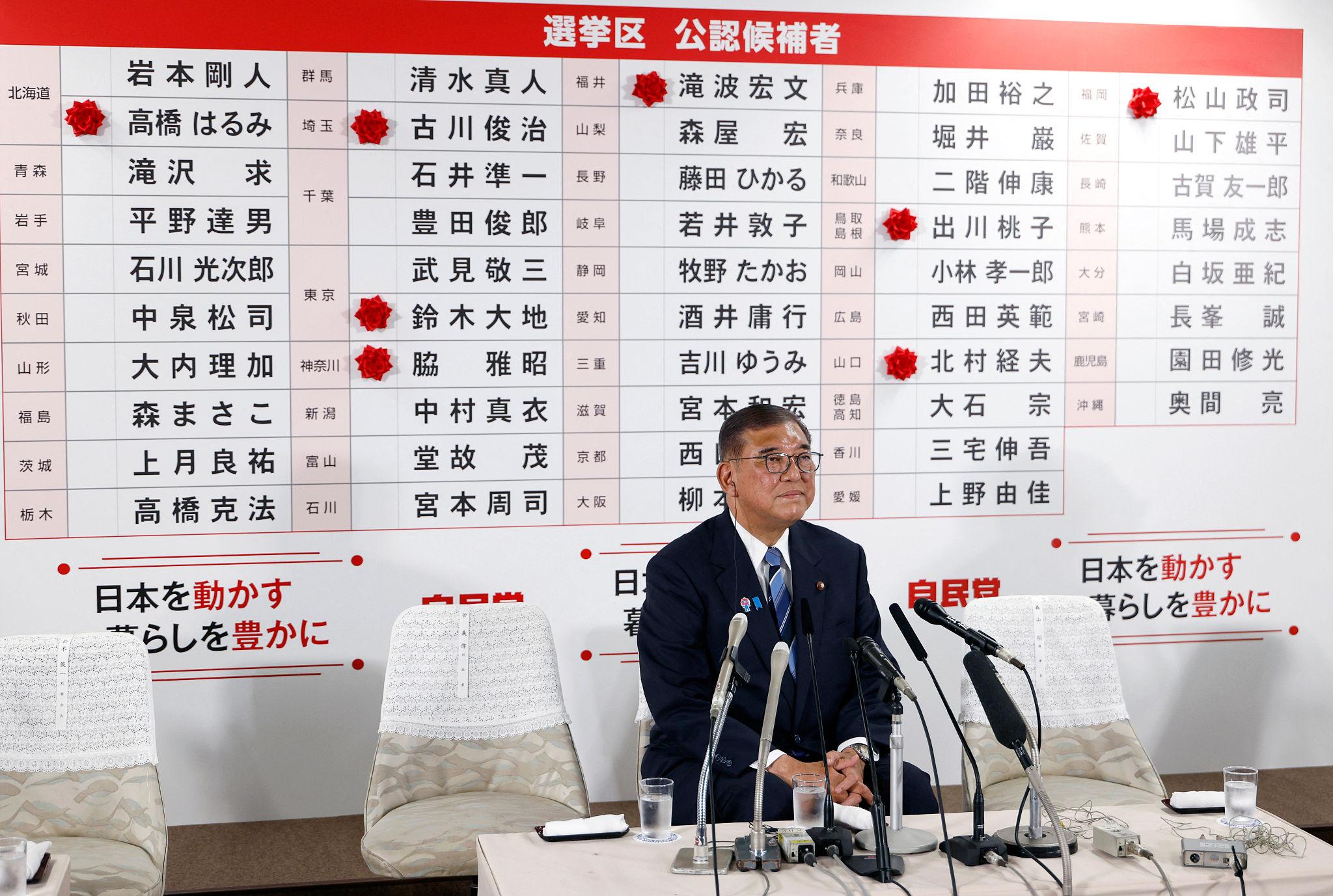
Legislative Implications of the Majority
A strong parliamentary majority enables faster legislative action but also increases accountability. Analysts said scrutiny of policy execution will intensify.
The durability of the Japan election results mandate will depend on transparent governance and effective communication.
Regional Disparities in Voting Patterns
While urban centers showed strong support for the ruling coalition, some rural districts recorded closer margins. Agricultural policy and regional investment influenced these outcomes.
Such variations within the Japan election results highlight the need for balanced regional development strategies.
Technology and Election Administration
Digital tools played a growing role in voter outreach and result dissemination. Authorities credited upgraded systems with improving efficiency and accuracy.
Experts said technology helped reinforce confidence in the Japan election results, particularly among younger demographics.
The Road Ahead for Leadership
As final seat counts are confirmed, attention now turns to cabinet formation and policy prioritization. International partners are expected to engage early with the renewed administration.
The political momentum generated by the Japan election results places responsibility on leadership to convert electoral success into tangible outcomes.
A Mandate Defined by Responsibility
The 2026 general election has reshaped Japan’s political landscape with clarity rather than surprise. Voters delivered a strong mandate while signaling expectations for stability, competence, and results.
The Japan election results stand as a reflection of a society navigating uncertainty through continuity, setting the tone for governance in the years ahead.
Final Outlook
As Japan moves forward, the significance of this electoral moment will be measured not only by seat counts, but by policy outcomes and public trust. The mandate delivered in Tokyo places the nation at a crossroads where opportunity and accountability now move hand in hand.