

Asia, February 8, 2026: The Japan and Thailand elections took place on 2026, as voters across Tokyo and Bangkok went to the polls in one of the most closely watched political moments in Asia this year. From a European perspective, Brussels Morning Newspaper notes that the synchronized voting reflects deeper shifts in democratic participation, economic priorities, and regional leadership at a time of global uncertainty and geopolitical recalibration.
Polling stations opened before sunrise, with election authorities in both countries reporting smooth operations, visible security presence, and high early turnout.
Election Day Atmosphere in Japan
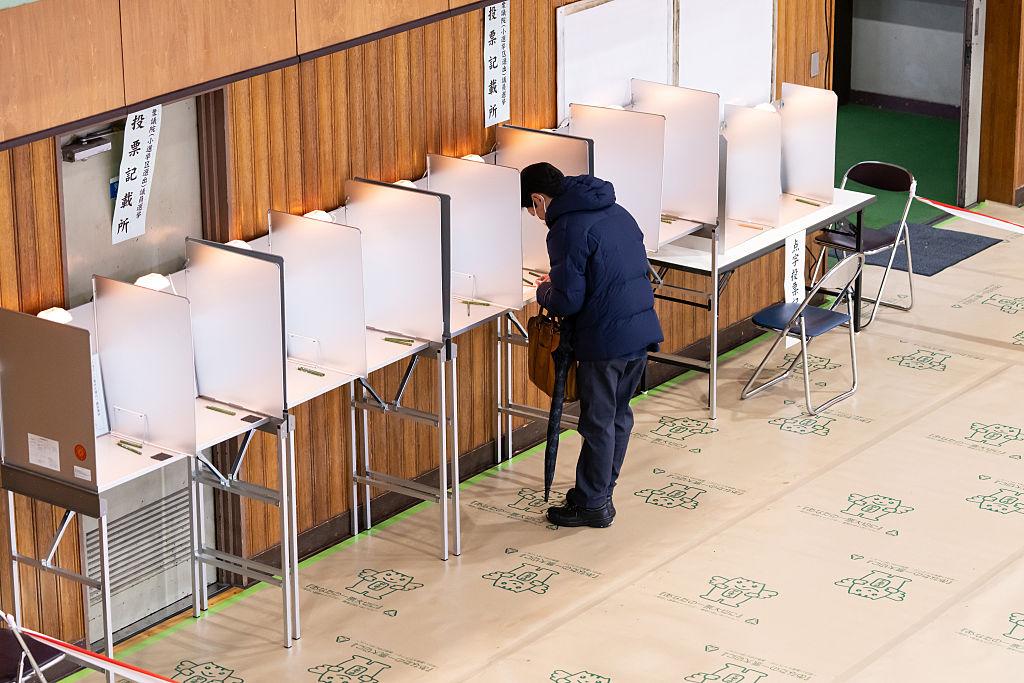
Across Japan, election day unfolded in an orderly and disciplined manner. Urban districts recorded steady voter flow throughout the morning, while suburban and rural areas experienced increased participation compared to previous cycles. Election officials confirmed that accessibility measures were in place for elderly voters and people with disabilities.
Observers following the Japan and Thailand elections said Japan’s electorate appeared particularly motivated by domestic economic pressures, including inflation, household income stability, and long-term pension sustainability. Campaign discussions throughout the country reflected concerns about balancing fiscal responsibility with social protection.
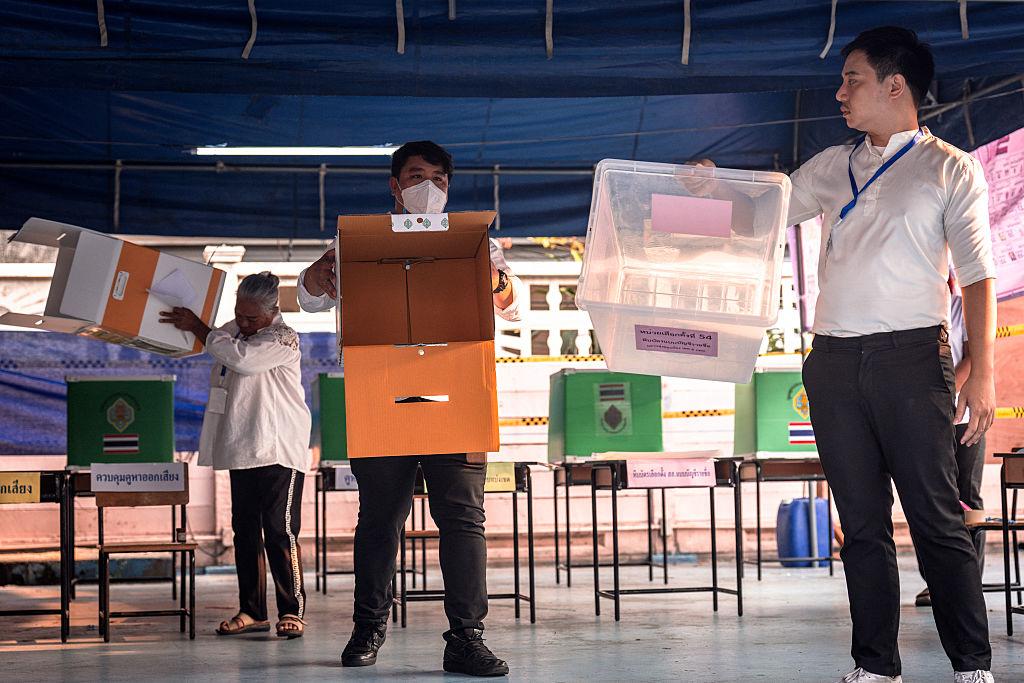
Thailand’s Nationwide Vote Under Global Attention
Thailand’s election marked a defining political moment after years of public debate surrounding governance, reform, and institutional accountability. Polling stations in Bangkok, Chiang Mai, and provincial centers reported high engagement, especially among first-time voters.
Analysts tracking the Japan and Thailand elections observed that Thailand’s political climate has shifted toward issue-based voting rather than personality-driven campaigns. Electoral officials emphasized transparency and encouraged calm as ballot counting began later in the evening.
One Bangkok voter said,
“This election is about whether the system listens to ordinary citizens.”
Economic Priorities Shape Voter Choices
Economic concerns emerged as a shared theme across both nations. In Japan, voters focused on rising living costs, wage growth, and fiscal discipline. Policy proposals emphasized innovation, labor market reform, and support for aging populations.
In Thailand, economic messaging centered on job creation, income inequality, and regional development. Economists following the Japan and Thailand elections suggested that voters in both countries are increasingly pragmatic, prioritizing economic security over ideological alignment.
Security Arrangements and Electoral Integrity
Authorities in both countries implemented comprehensive security strategies to ensure the integrity of the voting process. Police and election staff were stationed at polling centers, while digital systems monitored voter registration and ballot handling.
International election observers stated that the Japan and Thailand elections met international standards for transparency and fairness, with no widespread irregularities reported during voting hours. Officials urged the public to rely on verified sources as unofficial results circulated online.
Media Coverage and Digital Engagement
Global media organizations provided continuous coverage throughout election day, broadcasting live updates from major cities and rural regions alike. Social media platforms became spaces for civic expression, with voters sharing experiences and encouraging participation.
A Tokyo resident told local media,
“Voting today feels more important than ever because the economy affects everyone.”
Coverage of the Japan and Thailand elections dominated Asia-focused news streams, reflecting sustained international interest.

Electoral Evolution in Japan and Thailand
Japan’s post-war democratic framework has been characterized by political continuity, coalition governance, and strong institutions. Elections traditionally emphasize economic stewardship and social stability.
Thailand’s political history, by contrast, includes cycles of civilian governance and military influence, with elections often marking turning points in democratic recalibration. This historical contrast adds depth to the Japan and Thailand elections, highlighting how different democratic paths converge at moments of public decision-making.
Regional Implications for Asia
The outcomes of these elections extend well beyond national borders. Japan plays a central role in Asia-Pacific trade, technology, and security cooperation, while Thailand remains a key diplomatic and economic actor in Southeast Asia.
Foreign policy experts monitoring the Japan and Thailand elections noted that leadership continuity could reinforce existing regional frameworks, while political change may introduce new diplomatic priorities.
Market Reaction and Investor Sentiment
Asian financial markets remained cautious during election day trading. Currency and equity movements were limited as investors awaited policy clarity from incoming governments.
Market analysts following the Japan and Thailand elections emphasized that long-term investor confidence will depend on post-election economic strategies rather than campaign rhetoric alone.
Youth Participation and Changing Political Culture
Youth engagement emerged as a defining feature, particularly in Thailand, where first-time voters formed a visible presence at polling stations. In Japan, younger turnout showed modest improvement compared to previous elections.
Sociologists observing the Japan and Thailand elections described this shift as part of a broader transformation in Asian political culture, where digital literacy and social awareness increasingly shape civic participation.
Post-Election Process and Coalition Building
With polls closed, attention turned to vote counting and coalition negotiations. Preliminary results are expected within days, though final government formation may take longer.
Political commentators tracking the Japan and Thailand elections cautioned against premature conclusions, noting that coalition dynamics could significantly influence policy direction.
Democratic Signals Beyond the Ballot
Beyond electoral outcomes, the elections highlighted public expectations for transparency, accountability, and responsive governance. Civil society groups emphasized the importance of respecting voter intent during the post-election period.
Observers said the Japan and Thailand elections reflect growing public confidence in democratic mechanisms, even amid political complexity.
Asia’s Political Crossroads in 2026
The simultaneous elections offered a rare moment to assess democratic sentiment across two distinct political systems. While national contexts differ, both electorates demonstrated a shared desire for stability, opportunity, and effective leadership.
A regional policy analyst remarked,
“These elections show that Asian voters are increasingly assertive about economic fairness and governance.”
Viewed From Europe: Strategic Importance
From Brussels, policymakers and analysts view the elections as indicators of Asia’s evolving political maturity. European institutions are closely watching leadership outcomes for implications on trade, climate cooperation, and security partnerships.
The Japan and Thailand elections are widely regarded as among the most consequential political events in Asia in 2026.
A Defining Moment for Regional Democracy
As final results emerge, the elections underscore the power of civic participation in shaping national and regional futures. Decisions made by voters in Tokyo and Bangkok will influence governance priorities, economic strategy, and international engagement for years to come.
The Japan and Thailand elections stand as a defining chapter in Asia’s democratic journey, observed closely from Brussels and beyond.