
Jerusalem, February 9, 2026 — Brussels Morning Newspaper observes that Israel has approved a new set of administrative and security measures affecting the occupied West Bank, a decision that is already reshaping political discourse at home and abroad. Announced following a prolonged cabinet session in the capital, the move marks a significant phase in the evolution of the Israel West Bank policy, drawing attention from regional actors and international institutions alike.
The measures, described by officials as structural adjustments rather than political declarations, expand the scope of authority exercised by Israeli administrative bodies in parts of the territory. Yet critics argue that even technical changes carry deep political implications in one of the world’s most sensitive regions.
Inside the Government Decision
The cabinet approval followed months of deliberation involving senior ministers, security officials, and legal advisers. At the heart of the discussion was how to streamline governance while maintaining security coordination amid persistent instability.
According to officials familiar with the process, overlapping jurisdictions had slowed decision-making and complicated enforcement. The newly approved framework consolidates responsibilities, reflecting a recalibrated Israel West Bank policy aimed at greater administrative clarity.
Supporters within the government describe the changes as overdue, arguing that ambiguity had undermined effectiveness for years.

Administrative Authority and Structural Changes
Under the new measures, civil administration roles related to land management, infrastructure approvals, and regulatory enforcement are expanded. Authority previously divided among multiple offices is now centralized under a clearer chain of command.
Government sources say this restructuring will allow for faster approvals and improved coordination with security forces. They insist the goal is functionality, not escalation, positioning the move as an internal refinement of Israel West Bank policy rather than a departure from existing frameworks.
Political Context and Coalition Dynamics
The decision also reflects the internal dynamics of Israel’s governing coalition. Several parties have long advocated for stronger administrative control in the West Bank, framing the issue as one of responsibility and national interest.
Political analysts note that advancing a firmer Israel West Bank policy helps coalition leaders satisfy domestic constituencies while projecting decisiveness. However, the move has also intensified debate among opposition figures who warn of diplomatic fallout.
Security Considerations at the Core
Security officials played a key role in shaping the measures. Periodic violence and intelligence coordination challenges were cited as reasons for simplifying authority structures.
By tightening administrative oversight, planners believe response times can be reduced and coordination improved. From their perspective, a clearly defined Israel West Bank policy enhances predictability and reduces operational risk in volatile areas.
Palestinian Perspectives and Civil Concerns
Palestinian leaders and civil society organizations reacted cautiously, expressing concern that expanded authority could translate into increased restrictions rather than improved services.
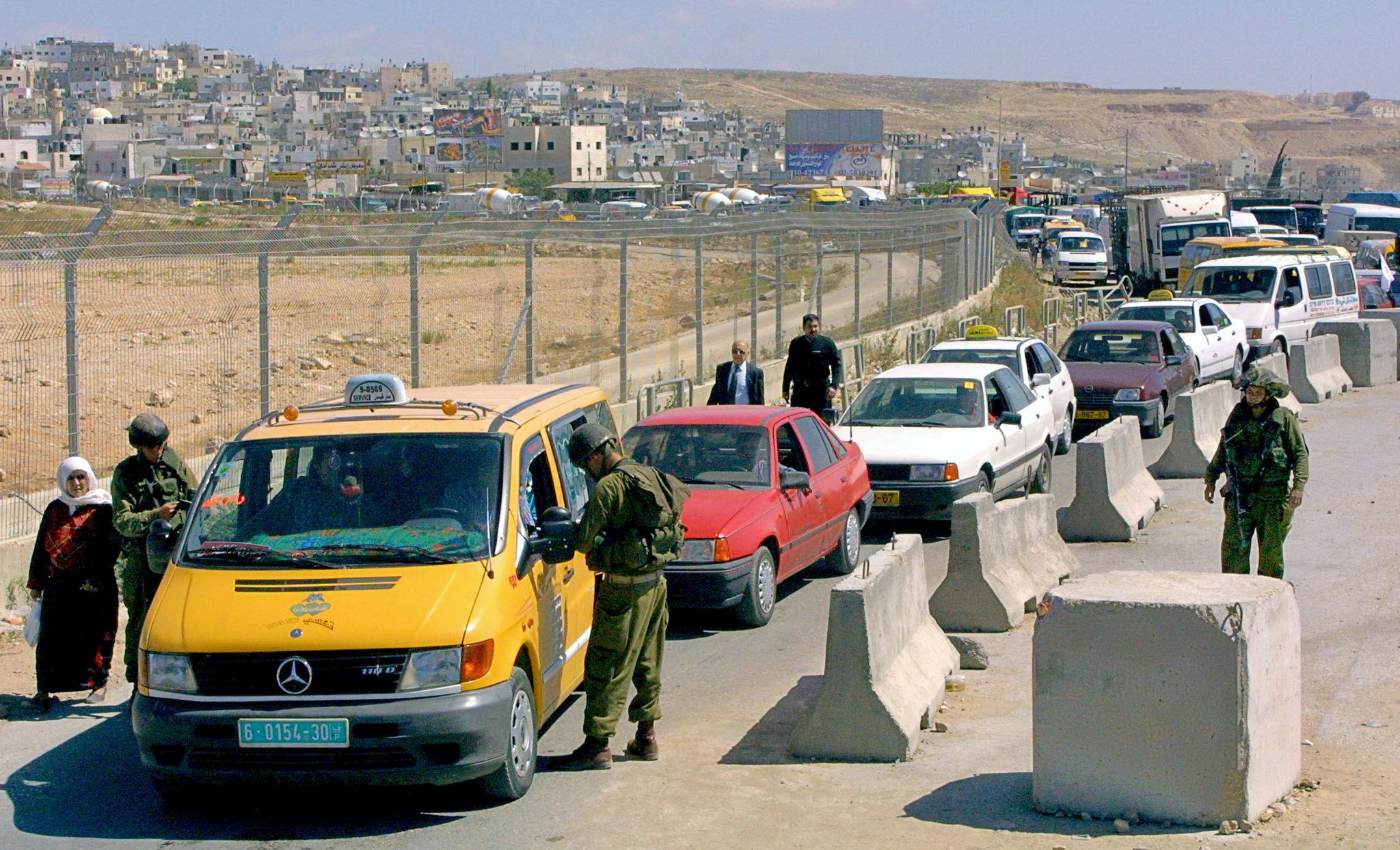
Residents worry about potential impacts on building permits, land access, and movement. Past experiences with shifts in Israel West Bank policy have left many skeptical that administrative changes will improve daily life.
Economic Dimensions and Development Claims
Israeli officials argue that centralizing authority could unlock economic potential by accelerating infrastructure projects. Roads, utilities, and public facilities are cited as areas that could benefit from faster approvals.
Critics counter that previous Israel West Bank policy adjustments promised economic gains that largely failed to materialize for Palestinians, reinforcing disparities rather than reducing them.
International Reaction and Diplomatic Signals
International responses were swift and measured. Several governments reiterated their support for negotiated outcomes and warned against steps that could alter conditions on the ground.
Diplomats say the revised Israel West Bank policy framework will likely feature prominently in upcoming international forums, particularly as scrutiny of regional stability intensifies.
Legal Scrutiny and Institutional Debate
Legal scholars are examining how the measures align with international law governing occupation and administration. Some argue that expanding civil authority risks entrenching governance structures beyond their original mandate.
Israeli officials reject that interpretation, stating that the adjustments remain consistent with long-standing Israel West Bank policy practices and legal interpretations upheld domestically.
Voices From the Decision-Makers
A senior Israeli official said,
“These steps are designed to improve coordination and governance, not to change political borders or escalate tensions.”
A regional diplomat offered a contrasting view, stating,
“Administrative authority in the West Bank is never purely technical; it inevitably carries political weight.”
Regional Stability and Strategic Implications
The West Bank remains central to Middle Eastern geopolitics, and regional actors are closely watching how the measures are implemented. Analysts warn that administrative changes can influence broader security dynamics.
Some argue that a clearer Israel West Bank policy may reduce uncertainty, while others fear it could harden positions and deepen divisions.
Domestic Debate and Public Opinion
Within Israel, public opinion is divided. Supporters frame the measures as pragmatic governance, while critics warn of moral and diplomatic costs.
Media commentary reflects this split, with editorials debating whether the updated Israel West Bank policy strengthens national security or undermines long-term peace prospects.
History of Governance in the West Bank
Since 1967, governance in the West Bank has evolved through military administration, interim agreements, and layered civil authority. Many measures introduced as temporary responses to security needs gradually became permanent features.
Historians note that today’s developments mirror earlier phases when Israel West Bank policy adjustments reshaped realities incrementally rather than through comprehensive agreements.
Implementation Challenges on the Ground
Execution will be critical. Observers stress that transparency, oversight, and engagement with local communities will determine whether the measures stabilize governance or fuel resentment.
The credibility of the evolving Israel West Bank policy will depend on how authority is exercised in practice, not just how it is defined on paper.

Monitoring the Months Ahead
As 2026 progresses, international institutions, regional partners, and local populations will monitor the impact closely. Small implementation decisions could carry outsized consequences.
The trajectory of Israel West Bank policy will continue to influence diplomacy, security coordination, and daily life across the territory.
Why This Moment Resonates Beyond 2026
Beyond administrative mechanics, the decision highlights enduring questions about governance, responsibility, and political futures in contested spaces.
Each adjustment adds another layer to a complex reality where policy, security, and human experience intersect. How this chapter unfolds may shape regional dynamics long after 2026 concludes.