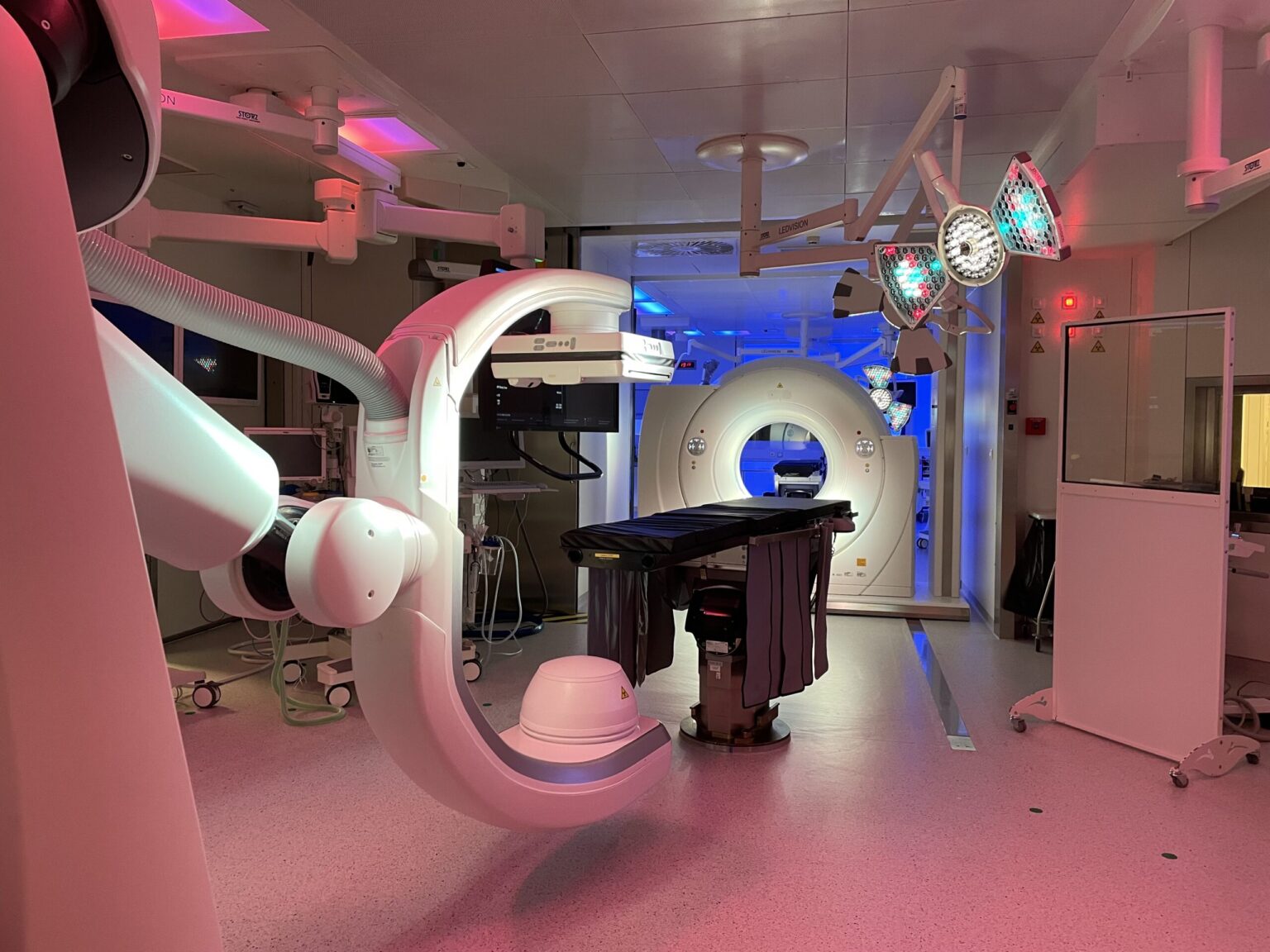
United States, February 9, 2026 — Brussels Morning Newspaper turns attention to the United States as healthcare leaders, regulators, and clinicians confront growing concerns surrounding AI in operating room environments. As artificial intelligence becomes deeply embedded in surgical practice, recent clinical incidents have intensified scrutiny over how these systems are deployed, monitored, and governed in some of the nation’s most advanced hospitals.
Technology Meets the Surgical Table
Artificial intelligence has steadily transformed American healthcare over the last decade. Surgical navigation software, robotic assistance, and predictive analytics now play a visible role inside operating theaters. Proponents argue that these tools improve consistency and reduce fatigue related errors. However, the expansion of AI in operating room usage has also raised difficult questions about the limits of automation during high risk procedures.
Hospitals Launch Internal Reviews
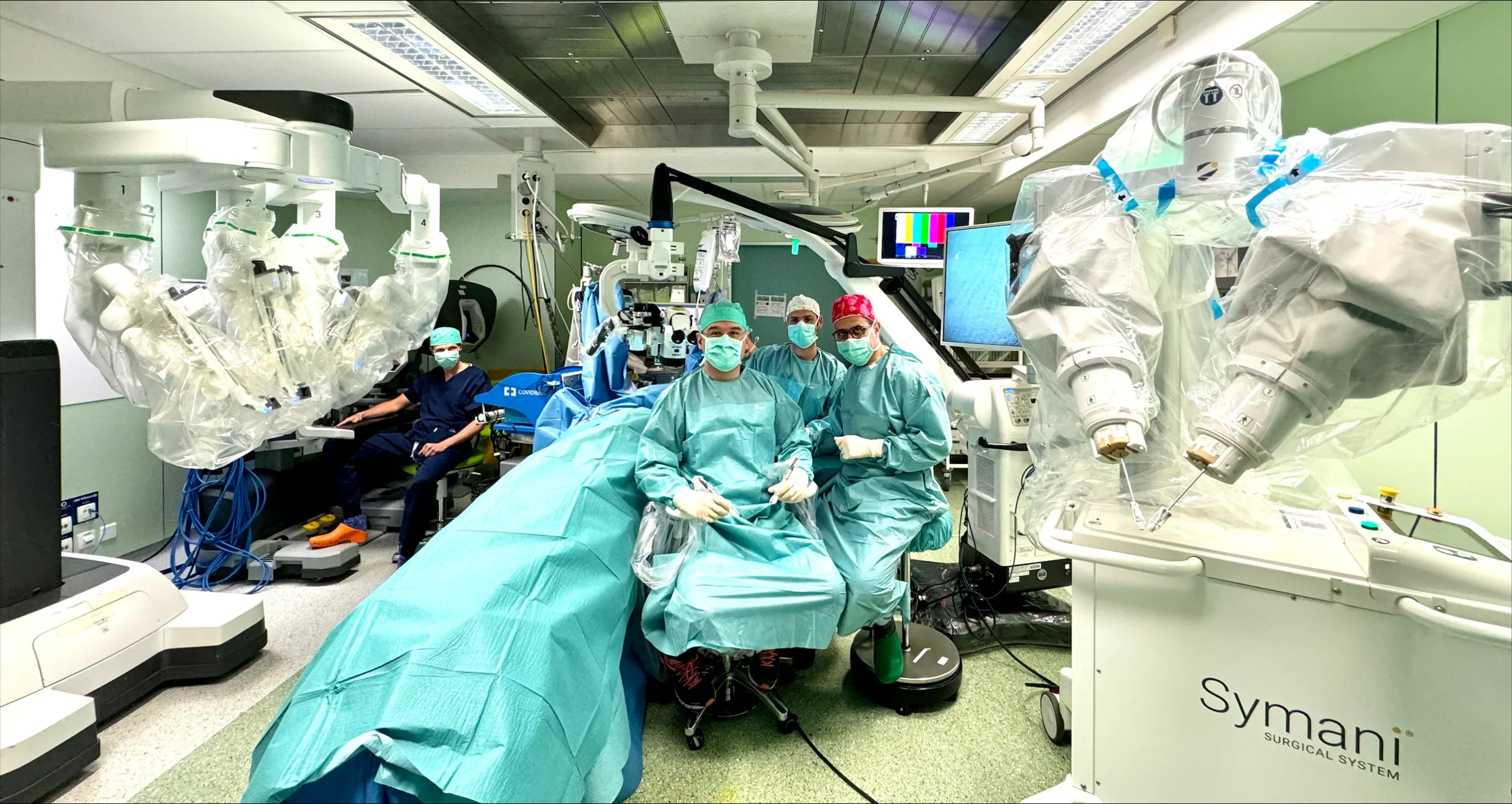
Major hospital networks across California, Texas, New York, and Illinois have initiated internal evaluations of surgical technology protocols. These reviews focus on whether clinical teams rely too heavily on automated guidance during live procedures. Administrators stress that AI in operating room systems were introduced to assist, not replace, professional medical judgment.
Patient Safety in the Spotlight
Patient safety advocates warn that innovation must never outpace accountability. Several cases have drawn public attention after patients experienced complications linked to automated surgical guidance. While not all outcomes were severe, healthcare watchdogs argue that even isolated failures expose systemic weaknesses in AI in operating room oversight.
Regulatory Oversight Evolves
Federal health authorities in the United States are reassessing how surgical AI platforms are regulated. Existing approval frameworks were designed for static medical devices, not adaptive algorithms. Regulators acknowledge that AI in operating room tools challenge traditional oversight models, prompting discussions around continuous evaluation and real time monitoring.
Voices from the Medical Community
Surgeons across the country have expressed mixed views on artificial intelligence in surgery. One senior physician at a leading Boston medical center stated,
“Technology can enhance precision, but it cannot replace the responsibility that rests with the surgeon.”
This sentiment reflects broader caution about expanding AI in operating room autonomy.
Training and Clinical Judgment
Medical education programs are now under pressure to address the skills gap created by rapid technological adoption. While younger practitioners are often more comfortable with digital systems, experts stress that understanding limitations is just as important as mastering functionality. Proper training remains essential for safe AI in operating room integration.

Data Quality and System Reliability
Artificial intelligence systems rely on vast datasets to function accurately. Inconsistent data quality, incomplete representation, and technical bias can compromise reliability. Researchers caution that AI in operating room platforms may struggle with rare anatomical variations or unexpected complications unless closely supervised.
Legal Responsibility Questions
The legal system is beginning to confront cases involving AI assisted surgery. Determining accountability remains complex when automated systems influence clinical decisions. Legal scholars argue that clearer liability frameworks are urgently needed as AI in operating room adoption expands nationwide.
Economic Pressures on Healthcare Systems
Hospital administrators acknowledge that financial incentives influence technology adoption. AI driven surgical tools are often marketed as efficiency boosters. Critics warn that cost savings should never outweigh patient safety when deploying AI in operating room systems.
Industry Response
Technology developers maintain that their platforms undergo extensive testing before deployment. A spokesperson for a medical AI firm said,
“When used correctly, these systems support surgeons and improve outcomes.”
Industry leaders emphasize collaboration with hospitals to refine AI in operating room implementation standards.
Ethical Oversight Gains Importance
Ethics committees at US hospitals are playing a more active role in reviewing AI assisted procedures. These panels assess whether technology use aligns with patient centered care principles. Ethical oversight is increasingly viewed as essential in environments shaped by AI in operating room decision support.
Public Awareness Grows
Public discussion around artificial intelligence in healthcare has intensified. Patients are asking more questions about how technology is used during surgery. Transparency has become a critical factor in maintaining confidence in AI in operating room applications.
Historical Development of Surgical AI
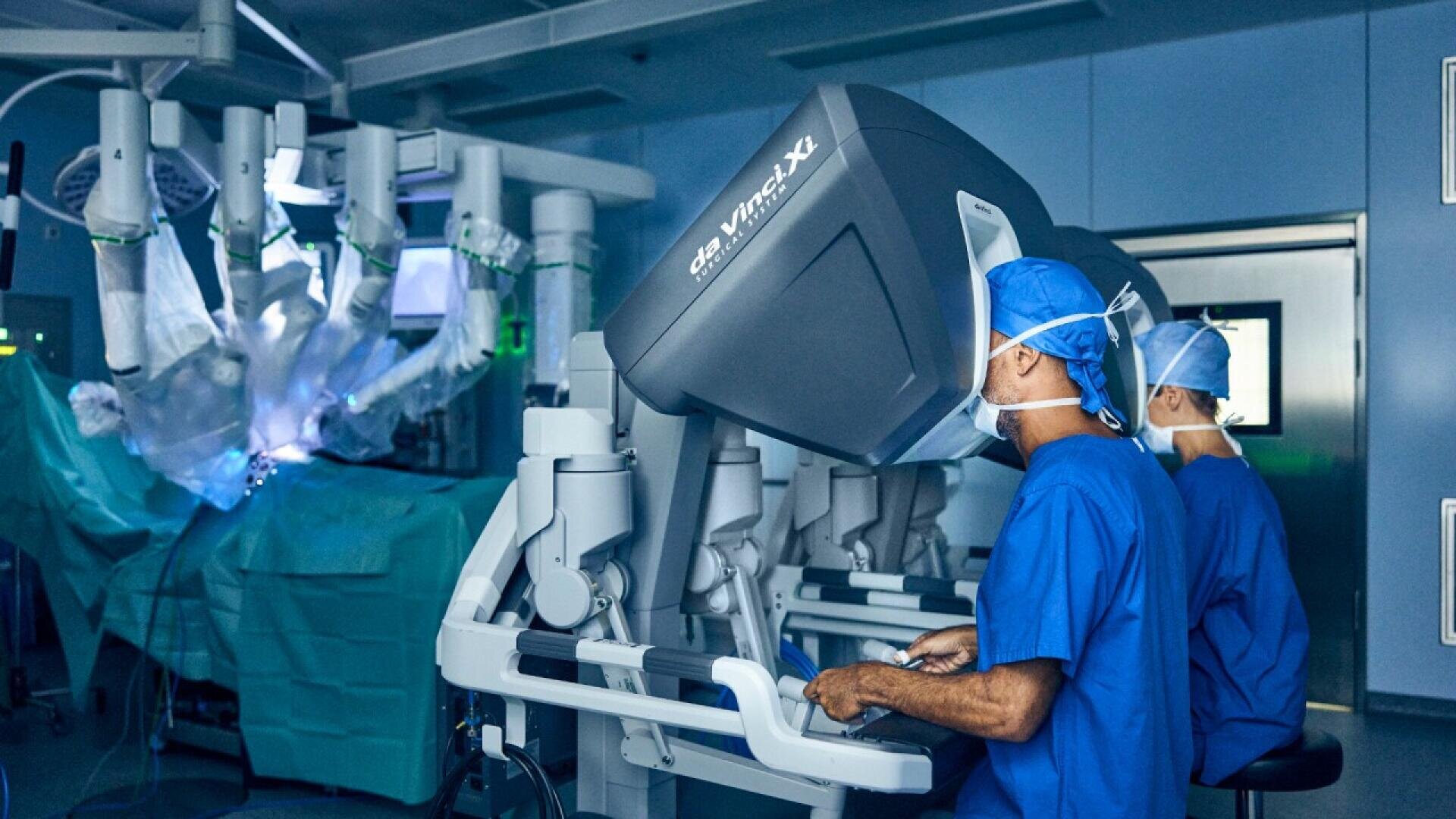
The roots of artificial intelligence in surgery trace back to early robotic systems introduced in the late twentieth century. These early tools were entirely surgeon controlled and limited in scope. Over time, advances in computing enabled more autonomous functions. The evolution toward modern AI in operating room environments reflects decades of innovation and growing complexity.
Policy Recommendations Take Shape
Healthcare policy experts are calling for standardized national guidelines. Recommendations include mandatory incident reporting, periodic audits, and continuous system validation. These measures aim to ensure AI in operating room tools enhance care without increasing risk.
International Attention
Developments in the United States are being closely monitored by global health organizations. Decisions made by American regulators may influence international standards governing AI in operating room technology.
Future Outlook
Most healthcare leaders agree that artificial intelligence will remain part of surgical practice. The challenge lies in balancing innovation with responsibility. Clear regulations, strong oversight, and human judgment will define the next phase of AI in operating room adoption.
Where Surgical Innovation Meets Responsibility
As the debate unfolds across the United States in 2026, the role of artificial intelligence in surgery stands at a critical crossroads. Technological progress continues, but patient safety remains the ultimate benchmark. How institutions respond now will shape public trust in AI in operating room systems for years to come.