Jerusalem, April 15, 2026 — Brussels Morning Newspaper — Military escalation analysis is rapidly becoming a central focus for global observers after a senior Israeli army general confirmed plans to continue military operations targeting Lebanon and Iran. The announcement underscores a significant turning point in the conflict, signaling that the situation is not stabilizing but instead moving toward deeper and more complex confrontation.
- Strategic Direction Indicates Broader Military Objectives
- Lebanon Front Intensifies with Growing Uncertainty
- Iran Involvement Raises Global Stakes
- International Community Urges De-Escalation
- Economic Impact and Market Volatility
- Humanitarian Risks Continue to Grow
- What the Future Holds: Key Risks Ahead
- Key Warning From Military Escalation Analysis
- Breaking Point 2026
This development is raising urgent concerns across diplomatic, military, and economic circles, as the possibility of a prolonged regional war becomes increasingly likely. The implications extend beyond the Middle East, touching global markets, energy security, and geopolitical stability.
Strategic Direction Indicates Broader Military Objectives
The Israeli military’s current posture reflects a calculated approach aimed at neutralizing long-term threats. According to officials, operations will continue to focus on dismantling militant infrastructure, disrupting supply chains, and targeting command networks believed to pose risks to national security.
However, this military escalation analysis suggests that the strategy may go beyond immediate defensive objectives. Analysts believe it represents a broader effort to reshape the regional balance of power.
A defense expert stated:
“This military escalation analysis shows a clear shift from containment to expansion. The implications are far-reaching and potentially irreversible in the short term.”
Lebanon Front Intensifies with Growing Uncertainty
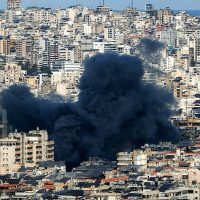
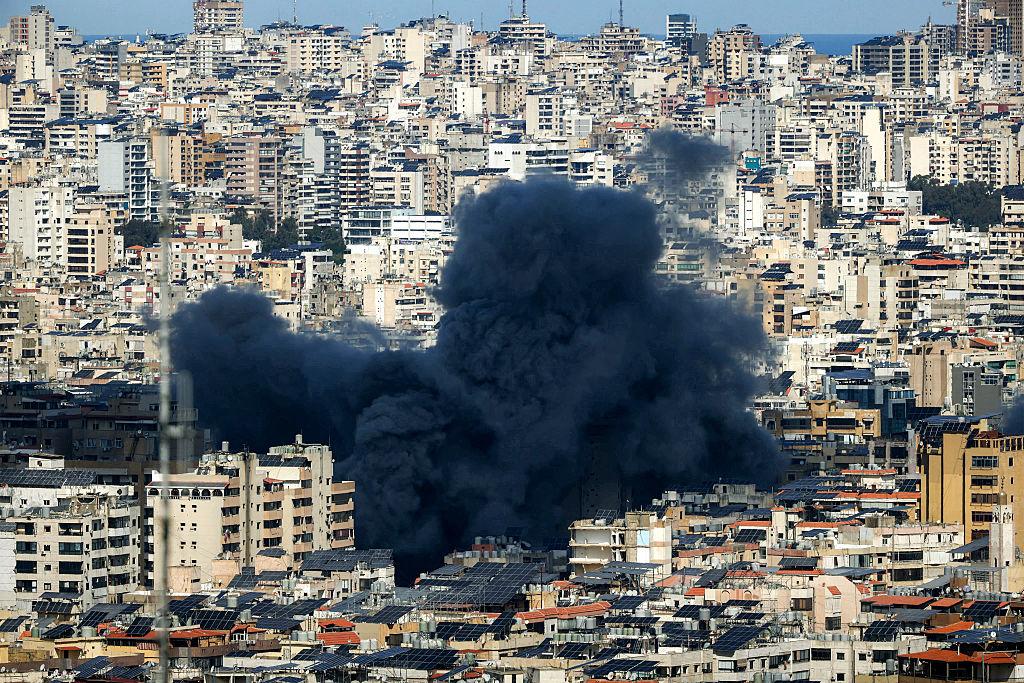
In Lebanon, cross-border tensions have escalated significantly. Reports indicate an increase in both aerial and ground operations, with multiple exchanges occurring along contested areas. Civilians living near the border are experiencing heightened anxiety as the frequency of strikes increases.
The Israeli army maintains that its actions are targeted and strategic, aimed at preventing further attacks. Yet, the ongoing escalation raises the risk of a broader conflict that could engulf larger parts of the region.
From a military escalation analysis perspective, Lebanon is emerging as a critical flashpoint where localized conflict could quickly expand into a wider war.
Iran Involvement Raises Global Stakes
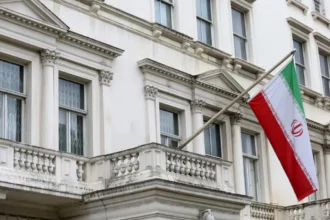
The inclusion of Iran in ongoing operations marks a major shift in the conflict’s scope. Iran’s influence and alliances across the region mean that any sustained military engagement carries significant consequences.
This military escalation analysis highlights the potential for multi-front confrontation, where actions in one area could trigger responses across multiple regions. Such a scenario would complicate diplomatic efforts and increase the likelihood of prolonged instability.
A geopolitical analyst noted:
“When Iran becomes part of the equation, military escalation analysis must consider global ripple effects—from energy markets to international alliances.”

International Community Urges De-Escalation
In response to the Israeli army’s announcement, global leaders have issued calls for restraint. Diplomatic efforts are underway to prevent further escalation, but progress remains limited as tensions continue to rise.
Several countries have emphasized the importance of dialogue, warning that continued military action could lead to unintended and potentially catastrophic outcomes.
Despite these warnings, the military escalation analysis indicates that both sides are preparing for continued engagement rather than immediate de-escalation.
Economic Impact and Market Volatility
The effects of the conflict are already being felt in global markets. Rising concerns over energy supply disruptions have led to increased volatility, particularly in oil prices.
From a military escalation analysis standpoint, prolonged instability in the Middle East could have lasting economic consequences. Businesses, investors, and consumers are all affected as uncertainty drives fluctuations in key sectors.
Supply chains and shipping routes are also under scrutiny, as any disruption could have widespread implications for global trade.
Humanitarian Risks Continue to Grow
As military operations intensify, the humanitarian situation is becoming more severe. Civilians in affected areas face displacement, infrastructure damage, and limited access to essential services.
Aid organizations are calling for immediate measures to protect vulnerable populations, but ongoing conflict complicates these efforts. The military escalation analysis underscores the urgent need for solutions that prioritize civilian safety.
The human cost of the conflict remains one of the most pressing concerns.
What the Future Holds: Key Risks Ahead
Looking forward, this military escalation analysis identifies several critical risks that could shape the trajectory of the conflict:
- Expansion into a full-scale regional war
- Increased involvement of allied groups
- Disruption of global energy supplies
- Prolonged economic instability
- Escalating humanitarian crisis
These factors suggest that the situation may continue to deteriorate unless significant diplomatic breakthroughs occur.
Key Warning From Military Escalation Analysis
“Military escalation analysis reveals a dangerous path forward—one that could redefine global stability if immediate action is not taken.”
Breaking Point 2026
The military escalation analysis surrounding Israel’s continued attacks in Lebanon and Iran highlights a rapidly evolving conflict with global implications. What began as targeted operations is now showing signs of broader expansion, increasing the risk of a prolonged regional war.
International calls for restraint have yet to produce meaningful change, while economic and humanitarian concerns continue to grow. As tensions rise, the world is closely watching what could become a defining moment in global security.