
Central Gaza, February 9, 2026, Brussels Morning Newspaper — A Palestinian farmer was killed while working on agricultural land in central Gaza on Tuesday, an incident involving Israeli forces that has renewed international focus on civilian safety in conflict affected areas. The shooting occurred during daylight hours in a rural zone where farming remains a primary source of income for many families.
Local residents said the farmer was tending crops when gunfire was heard from nearby positions. Emergency responders arrived within minutes, but the man died at the scene. Authorities have not released his name, pending notification of extended family members.
Incident Details Emerge From Central Gaza
Eyewitnesses described a quiet morning disrupted by sudden gunfire. Farmers working in adjacent plots said there were no clashes at the time, and no warnings were heard before shots were fired. The presence of Israeli forces in areas close to farmland has been a persistent concern for residents, who say agricultural work often brings civilians into proximity with armed patrols.
Medical workers confirmed that the victim suffered fatal injuries and could not be transported due to the severity of his wounds. The land where the incident occurred lies within an area frequently cultivated for vegetables that supply nearby markets.
Civilian Life and Agriculture Intersect
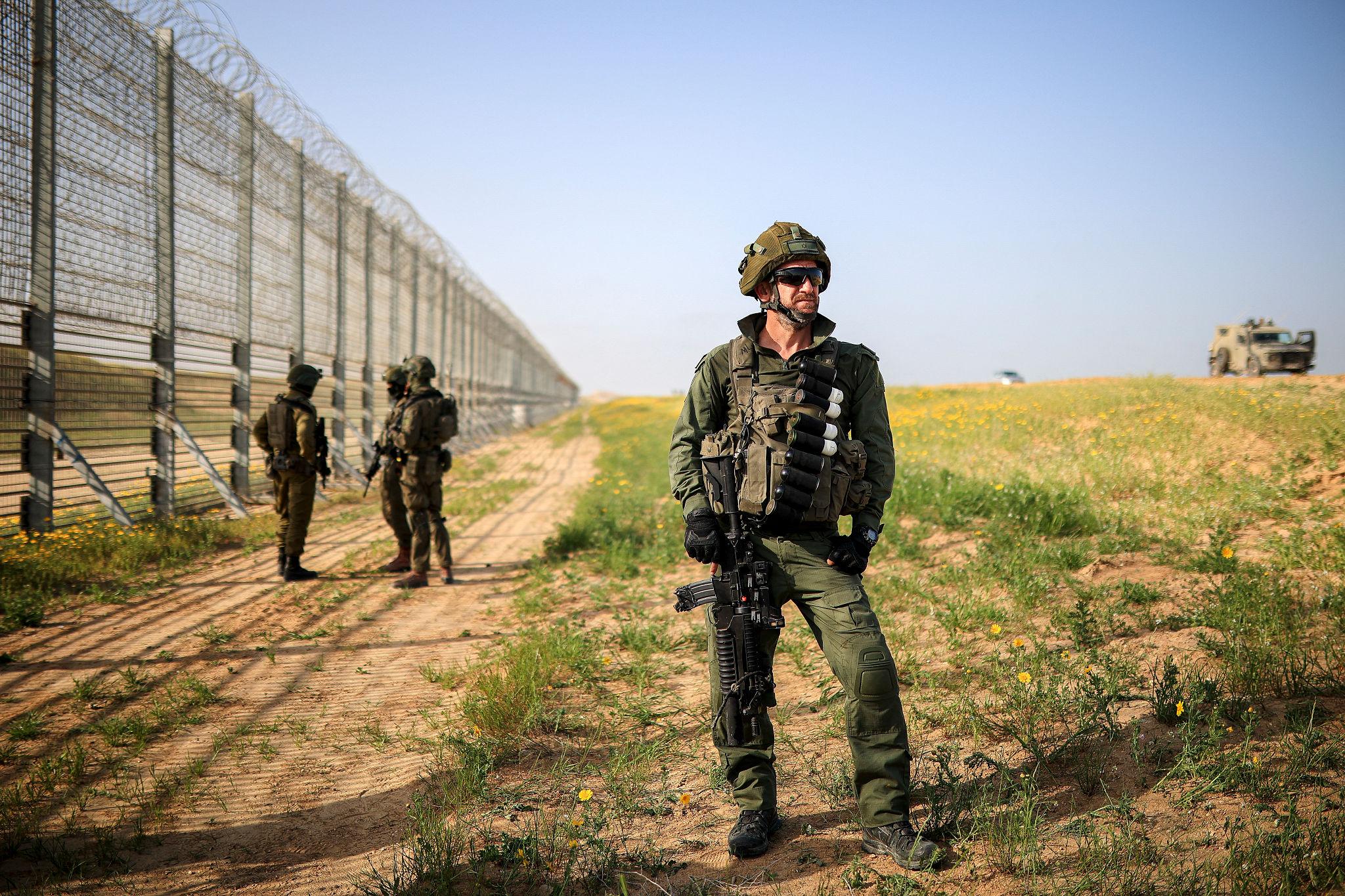
Agriculture in Gaza is not only an economic activity but a necessity for survival. With limited industrial development and restricted movement, many families rely on small scale farming. Encounters with Israeli forces near these lands have made farming increasingly hazardous.
Farmers in central Gaza say they face difficult choices: abandon land and lose income, or continue working under constant risk. The death has heightened anxiety across farming communities, particularly among those whose plots are closest to security sensitive zones.
Family Left Behind
Relatives of the farmer described him as a dedicated worker who supported his household through seasonal harvests. His death has left the family without its primary source of income, adding to the hardship faced by many households in Gaza.
A neighbor said, “He went to the field to provide for his children and never came back.” Community members gathered at the family home to offer condolences and assistance in the hours following the incident involving Israeli forces.
Voices From the Community
One local agricultural cooperative member said,
“When farmers are killed while working the land, it sends fear through every household that depends on agriculture.”
Another resident added,
“We are civilians trying to survive. The fields should not be places of danger.”
These statements reflect widespread frustration and fear among rural communities following the latest incident.
Humanitarian Concerns Rise
Humanitarian organizations have long warned that civilians engaged in farming are among the most vulnerable groups in Gaza. The killing has intensified calls for stronger protections and clearer engagement protocols for Israeli forces operating near civilian areas.
Aid workers say reduced access to farmland could worsen food insecurity and increase dependence on external assistance. The psychological toll on families, particularly children, is also significant.
Regional and International Attention
The incident has drawn attention from regional observers and international advocacy groups, who emphasize the importance of protecting civilians under international humanitarian law. Diplomatic sources say such events risk inflaming tensions during an already fragile period.
Monitoring groups have documented similar incidents over recent years, noting that farmers and fishermen are disproportionately affected. The involvement of Israeli forces in civilian fatalities continues to be a central concern in these assessments.
Daily Reality in Central Gaza
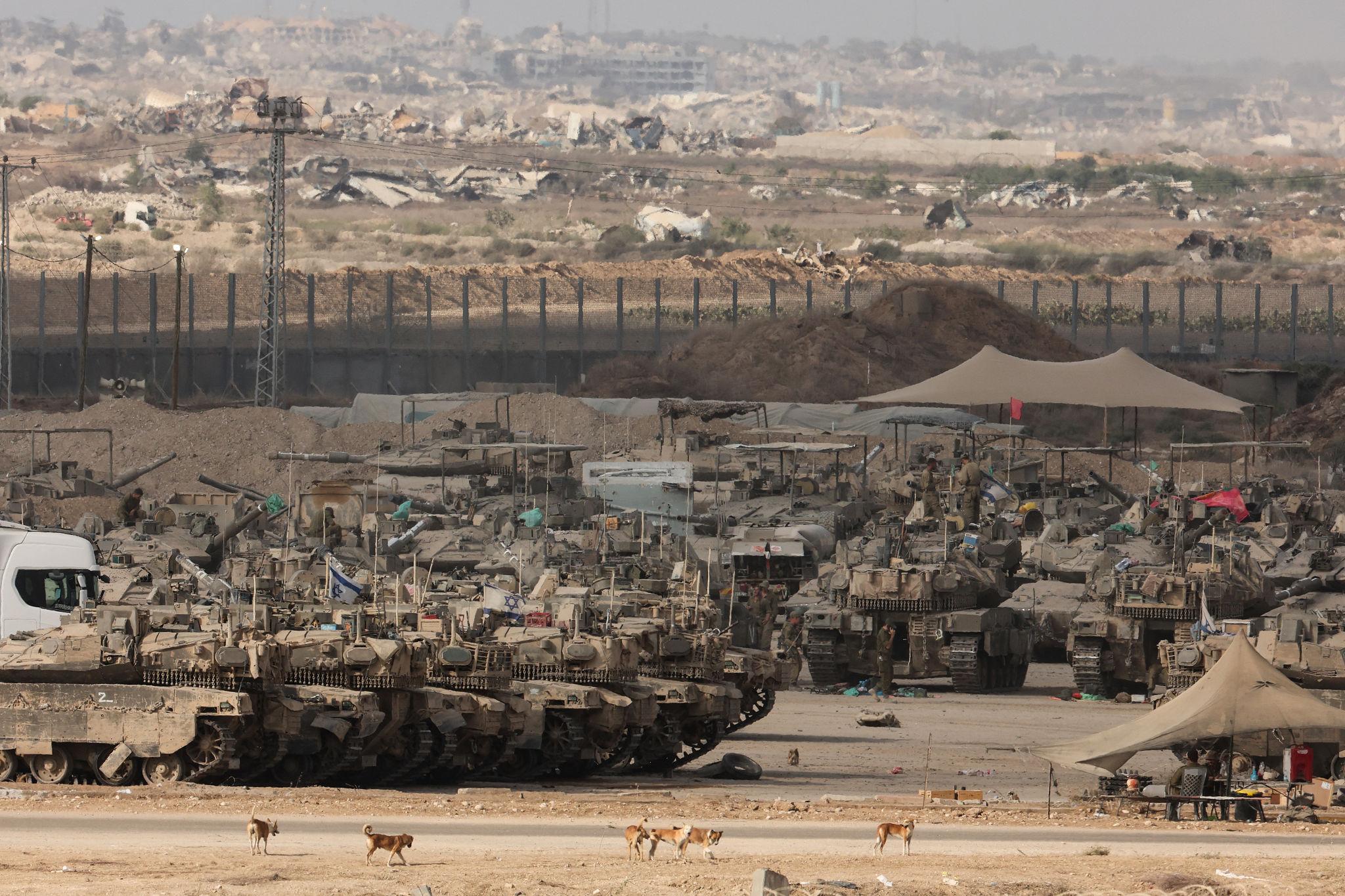
Central Gaza blends dense residential areas with agricultural land, making clear separation between civilian life and security zones difficult. Farmers often work within sight of their homes, and family members frequently assist in the fields.
Residents say interactions with Israeli forces range from distant observation to direct confrontation, creating an atmosphere of unpredictability that affects daily routines.
Economic Impact on Local Markets
The loss of a farmer affects more than one household. Local markets depend on consistent agricultural production, and disruptions can lead to shortages and higher prices. Economists warn that repeated incidents discourage investment in farming infrastructure.
The continued presence of Israeli forces near productive land has led some farmers to leave fields uncultivated, compounding economic challenges in the region.
Psychological and Social Effects
Mental health professionals report increased stress and trauma among farming families. Children express fear when parents leave for the fields, and adults describe constant anxiety during work hours.
Community counselors note that repeated exposure to violence linked to Israeli forces contributes to long term psychological harm, particularly in rural areas with limited access to support services.
Calls for Accountability
Local leaders and civil society groups have urged transparent investigations into the killing. They argue that accountability is essential to prevent future civilian deaths and restore a sense of security.
Advocates stress that engagement rules for Israeli forces must prioritize civilian protection, especially in areas known to be used for agriculture.
Farming Under Fire Through the Years
For decades, Gaza’s farmers have worked under difficult conditions shaped by conflict and restriction. Agricultural land near boundaries has often been exposed to violence, leading to crop damage and civilian injuries. Historical data shows that farmers have repeatedly been among those most affected during periods of heightened tension.
The latest death adds to this history, reinforcing concerns that farming in Gaza has become increasingly dangerous. The ongoing role of Israeli forces in these areas continues to shape the agricultural landscape.
Community Resilience Amid Tragedy
Despite fear and grief, communities in central Gaza have responded with solidarity. Neighbors organized food deliveries and financial assistance for the bereaved family, reflecting strong social bonds.
However, residents emphasize that resilience should not replace safety. They argue that preventing future tragedies requires meaningful change in how Israeli forces operate near civilian livelihoods.
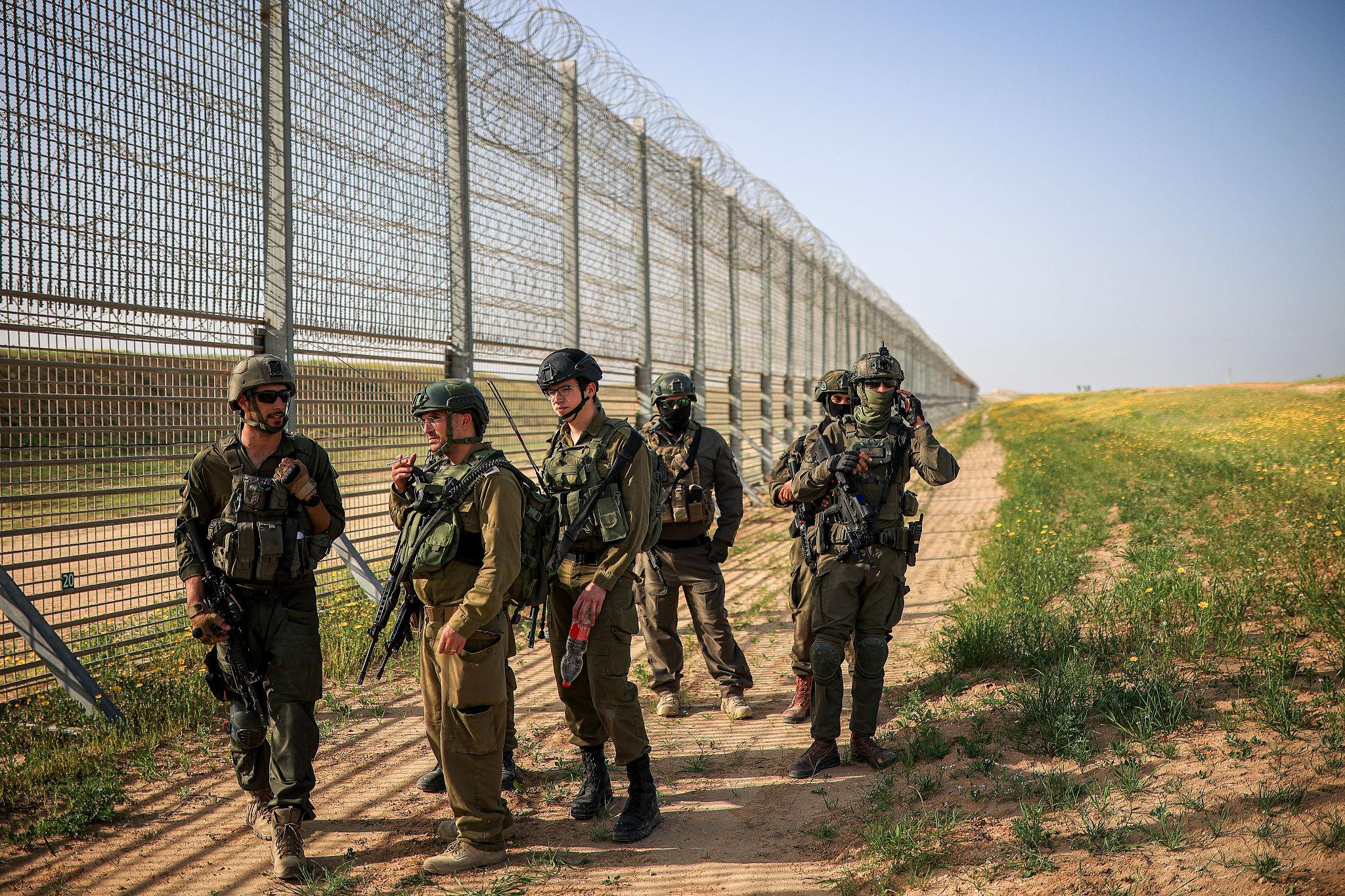
Broader Conflict Context
Analysts say the killing must be viewed within the broader context of the Gaza conflict, where unresolved political issues frequently manifest in localized civilian harm. Each incident deepens mistrust and complicates efforts toward de escalation.
The repeated involvement of Israeli forces in civilian deaths underscores the urgency of addressing structural issues that place non combatants at risk.
The Road Forward for Civilian Safety
As central Gaza mourns another life lost, attention turns to whether the incident will lead to policy changes or renewed diplomatic engagement. Families continue to work their land out of necessity, even as fear persists.
The death of a farmer while performing routine agricultural work remains a powerful reminder of the human cost of conflict. Ensuring civilian safety, particularly for those who feed their communities, remains a critical challenge as 2026 continues.