
Iranian student protests expand across Tehran campuses in June 2026.
Universities reopen amid renewed activism and visible security presence.
Officials and students face a critical moment for dialogue and stability.
Tehran, Iran – February 22, 2026 – Brussels Morning Newspaper — Iranian student protests have intensified across several major universities in Tehran as the 2026 academic term begins, placing youth activism once again at the center of national discussion. Demonstrations emerged during the first days of classes, with students gathering to express concerns over economic pressures, academic freedoms, and broader social issues.
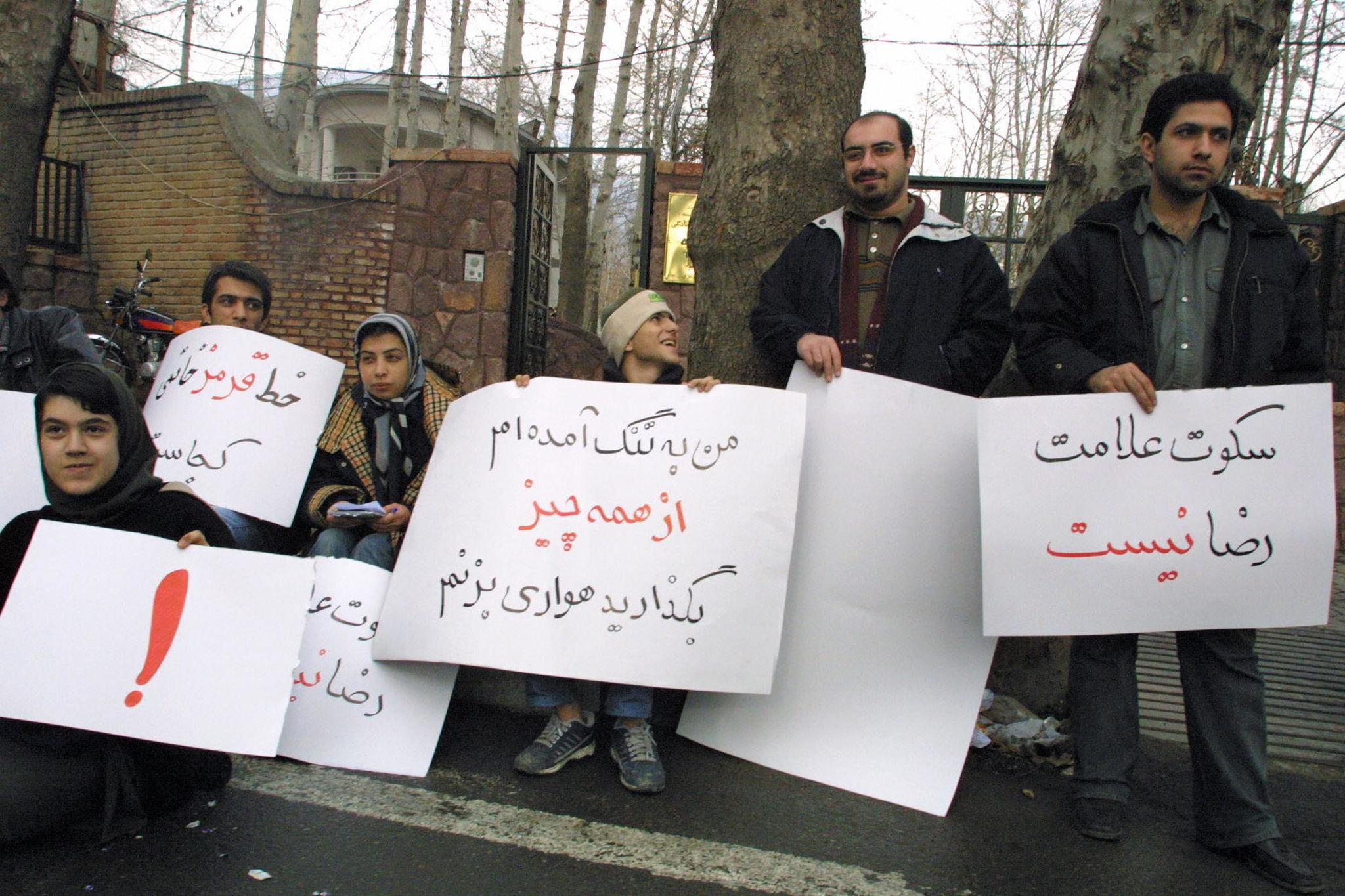
The resurgence of Iranian student protests reflects a long-standing tradition of campus activism in Iran. While gatherings have largely remained peaceful, the scale and visibility of the demonstrations have drawn significant domestic and international attention.
Campuses Reopen Under a Watchful Eye
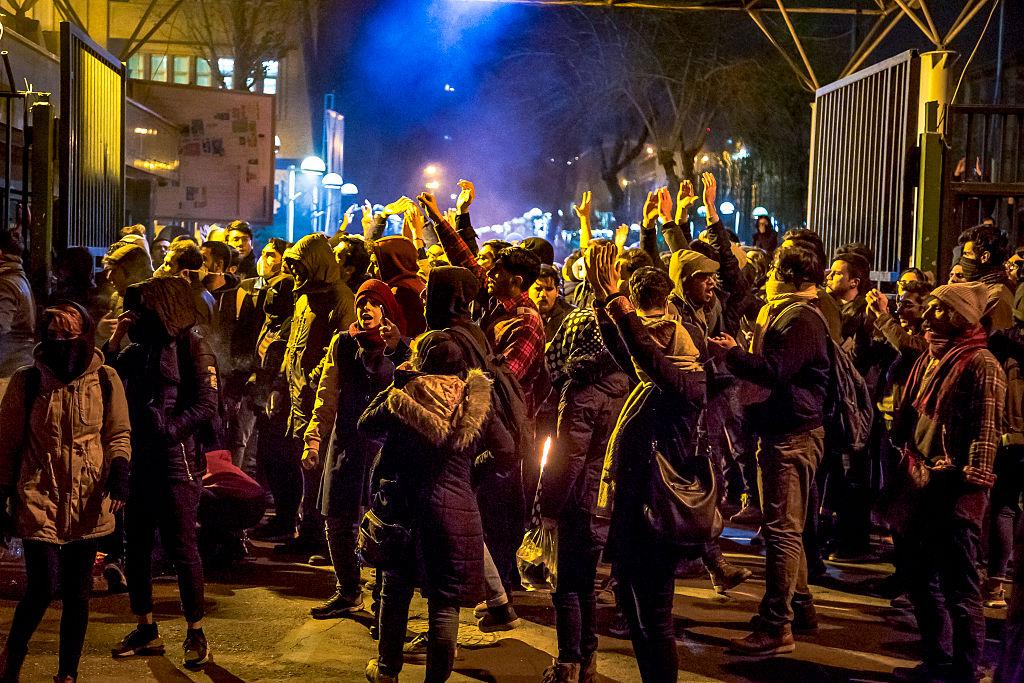
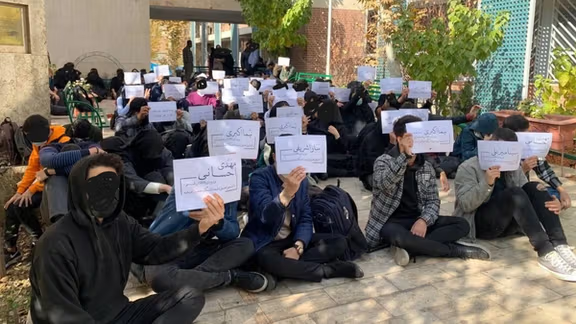
As students returned to lecture halls and dormitories, university administrators increased security coordination while emphasizing academic continuity. Iranian student protests unfolded in courtyards and common areas, where students assembled after classes to chant slogans and hold signs.
University officials called for calm and constructive dialogue. Security personnel maintained a visible presence near entrances but refrained from immediate intervention in most instances. The atmosphere across campuses has been described as tense yet controlled.
Observers note that the timing of Iranian student protests often coincides with the start of academic terms, when student populations are fully present and organizational networks are active.
Key Grievances Driving the Demonstrations
Participants cite multiple concerns fueling Iranian student protests. Rising living costs, limited employment opportunities, and concerns about campus regulations are frequently mentioned. Students argue that economic uncertainty directly affects their academic and professional futures.
Additionally, some demonstrators have expressed frustration over restrictions on campus activities and broader societal debates about personal freedoms. While demands vary between institutions, a common theme centers on greater participation in policy discussions.
One student organizer stated,
“Our generation wants to be part of shaping the decisions that affect our future.”
The remark captures the broader sentiment driving participation.
Government Response and Institutional Strategy
Authorities have responded with a measured tone. Official statements emphasize that peaceful assembly is recognized within legal boundaries, but disruptions to academic operations will not be tolerated.
In certain universities, administrators organized structured forums to address student concerns. Faculty members encouraged dialogue within classrooms, fostering open discussion about social and economic issues.
Government representatives stressed that educational institutions must remain focused on scholarship while acknowledging that youth engagement is a reality in modern society.
Security and Stability Considerations
Security officials remain vigilant. Iranian student protests have historically varied in scale and intensity, and authorities aim to prevent escalation. Visible patrols near campus gates are intended as precautionary measures rather than immediate suppression.
Defense analysts warn that prolonged tension could influence broader public sentiment. However, current demonstrations remain primarily concentrated within university environments.
Maintaining stability while addressing grievances is a delicate balance.
Economic Pressures on the Youth Population
Iran’s young demographic faces economic challenges, including inflation and a competitive labor market. Students frequently highlight the gap between academic achievement and employment opportunities.
Iranian student protests often reflect these structural concerns. Graduates seek clearer pathways to professional success, affordable housing, and financial stability.
Economic analysts suggest that addressing youth unemployment will be central to long-term social cohesion.
International Attention and Diplomatic Signals
International observers are monitoring developments closely. Human rights organizations have called for restraint and respect for peaceful expression. Foreign governments emphasize dialogue as the preferred path forward.
Iranian student protests carry symbolic weight globally because universities represent centers of intellectual exchange. The visibility of campus activism often shapes international perceptions of domestic conditions.
Diplomatic analysts caution against external interference that could complicate internal dynamics.
Media Coverage and Information Flow
Traditional and digital media outlets have amplified images and commentary related to Iranian student protests. Social media platforms facilitate rapid dissemination of videos and personal accounts.
Communication experts note that digital networks accelerate organization while also increasing scrutiny. Narratives can shift quickly, influencing both domestic and international audiences.
Accurate and measured reporting remains critical in maintaining balanced public understanding.
Academic Impact and Classroom Dynamics
Despite visible demonstrations, most universities have continued regular coursework. Professors have adapted by incorporating discussions about civic engagement into lectures where appropriate.
Iranian student protests have not yet resulted in widespread closures or long-term disruption. Administrators remain focused on preserving academic schedules.
Education specialists emphasize that maintaining continuity supports institutional credibility and student progress.
Regional Comparisons and Youth Activism
Student activism is not unique to Iran. Across the Middle East and globally, universities often serve as platforms for generational dialogue.
Iranian student protests share similarities with movements in other countries, where youth mobilize around economic opportunity, governance transparency, and social freedoms.
Comparative analysts suggest that constructive engagement between authorities and students can reduce tension and promote sustainable reform.
Historical Perspective on Student Movements
Iran has experienced multiple waves of campus activism over decades. From pre-revolutionary movements to more recent demonstrations, students have played visible roles in shaping public discourse.
The historical continuity of Iranian student protests underscores the enduring relationship between youth engagement and political evolution. While each period differs in context and intensity, universities consistently emerge as focal points of debate.
Understanding this legacy provides context for the current developments in Tehran in 2026.
Policy Pathways and Dialogue Opportunities
Experts argue that structured dialogue remains the most effective method for easing tensions. Transparent communication between administrators and student representatives can prevent misunderstandings.
Policy adjustments addressing economic and academic concerns may reduce momentum behind Iranian student protests. Incremental reforms often prove more sustainable than abrupt measures.
Observers emphasize patience and open channels as key elements of stability.
Broader Social Implications
The presence of Iranian student protests highlights generational dynamics within Iranian society. Young citizens seek participation in shaping national narratives.
Sociologists note that youth activism often reflects broader societal transformation. Engaging constructively with student voices may strengthen institutional legitimacy.
The 2026 academic year thus represents a pivotal moment in balancing tradition with evolving expectations.
The Road Ahead for Tehran’s Universities
As the semester progresses, the trajectory of Iranian student protests will depend on responsiveness from both authorities and campus leadership. Constructive engagement may gradually reduce tensions.
Students continue to emphasize peaceful assembly, while officials reiterate commitment to academic order. The interplay between these priorities will shape the coming months.
Universities remain spaces where ideas intersect with aspiration. The unfolding events in Tehran serve as a reminder that campuses often mirror the broader currents of national life.
When Classrooms Echo National Conversations
In June 2026, Tehran’s universities stand once again at the crossroads of scholarship and civic expression. Iranian student protests illustrate how academic environments can become arenas for broader dialogue.
The balance between stability and participation will determine whether this moment becomes a turning point or a transitional chapter. What remains clear is that youth voices continue to play a defining role in shaping Iran’s ongoing story.