
Russia economy enters 2026 facing structural change under prolonged geopolitical strain.
Defense expansion, trade pivots, and fiscal shifts are redefining national priorities.
Moscow signals resilience while global markets watch long term sustainability.
MOSCOW, February 22, 2026 — Brussels Morning Newspaper — Four years into the Ukraine conflict, the Russia economy stands at a decisive turning point. Once deeply integrated with European financial systems and global supply chains, the Russia economy now operates within a restructured framework shaped by sanctions, defense mobilization, and trade realignment toward Asia and the Global South. While early predictions anticipated severe collapse, developments through mid 2026 reveal a more complex transformation marked by resilience in strategic sectors and strain in consumer driven industries.
Government data, independent economic institutions, and global financial observers agree on one conclusion: the structural shift underway is not temporary. It represents a systemic recalibration that will define Russia’s fiscal, industrial, and diplomatic path for years to come.
Sanctions Architecture and Financial Adaptation
The initial wave of Western sanctions in 2022 targeted sovereign reserves, major financial institutions, export technology, and energy revenue channels. The freezing of foreign currency assets was among the most consequential measures, prompting immediate emergency responses by Moscow’s central bank.
Capital controls were introduced to stabilize the ruble. Exporters were required to convert portions of foreign earnings into domestic currency. National payment systems expanded rapidly to replace restricted Western platforms. Over time, bilateral currency agreements with China and other partners reduced reliance on the US dollar.
Despite restrictions, macroeconomic collapse did not occur. Instead, stabilization measures combined with strong energy earnings prevented prolonged financial panic. Still, access to global capital markets remains limited, and the cost of borrowing for both public and private entities has increased. The Russia economy now relies more heavily on domestic capital formation and sovereign funds than at any point since the early 2000s.
A senior Russian financial official stated,
“Our system has adjusted to extraordinary external pressure, and we have built financial mechanisms that protect long term sovereignty.”
That sentiment reflects official confidence, though global analysts remain divided over sustainability.
Energy Revenues and Fiscal Backbone
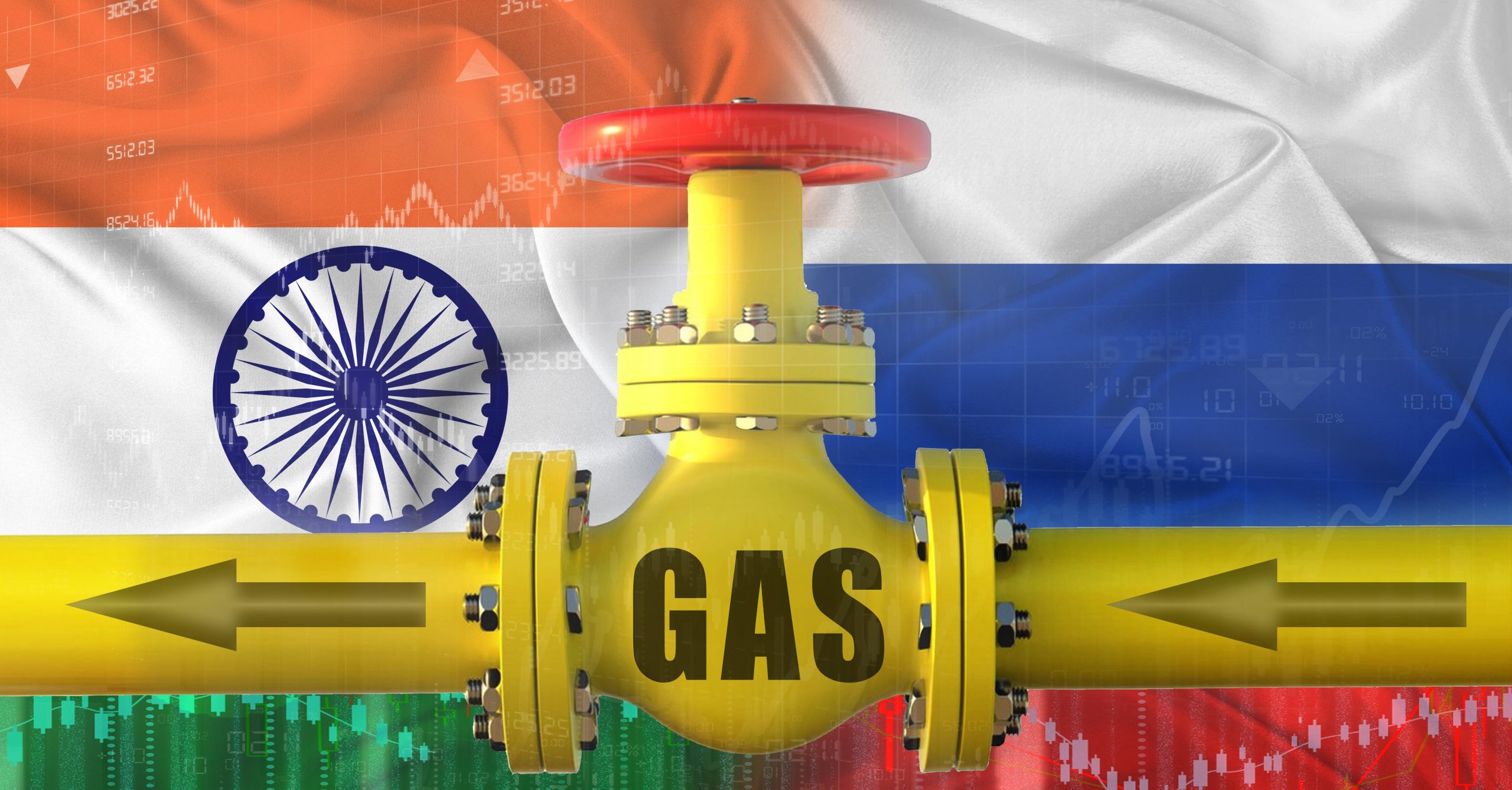
Energy exports remain the fiscal backbone of the Russia economy. Oil shipments have been redirected to Asian markets, particularly India and China, often at discounted rates. Natural gas flows to Europe declined sharply, replaced by pipeline expansion toward eastern routes and increased liquefied natural gas shipments.
Revenue from hydrocarbons continues to fund defense expansion, social programs, and currency stabilization. However, price caps and logistical adjustments have narrowed profit margins compared to pre war levels.
The Russian Finance Ministry increased taxation on energy producers to secure budget stability. Sovereign reserves, particularly gold holdings and non Western currencies, have been prioritized. While diversification initiatives are underway, hydrocarbons still account for a substantial share of state income.
Defense Industrial Surge and Economic Redirection
One of the most visible transformations is the expansion of defense manufacturing. Production of armored vehicles, drones, artillery systems, and munitions has intensified. Industrial regions linked to military contracts report higher employment and wage growth.
Factories once focused on civilian output have been repurposed for dual use production. Research and development funds are increasingly allocated to battlefield technologies and electronic systems.
This redirection has provided short term growth stimulus. However, economists caution that heavy emphasis on defense manufacturing may reduce long term consumer innovation. The Russia economy has become more centralized, with state contracts driving industrial momentum.
A Moscow based economist commented,
“Military spending has stabilized output, but sustainable growth requires diversified civilian productivity.”
His assessment reflects ongoing debate inside policy circles.
Consumer Sector and Daily Economic Reality
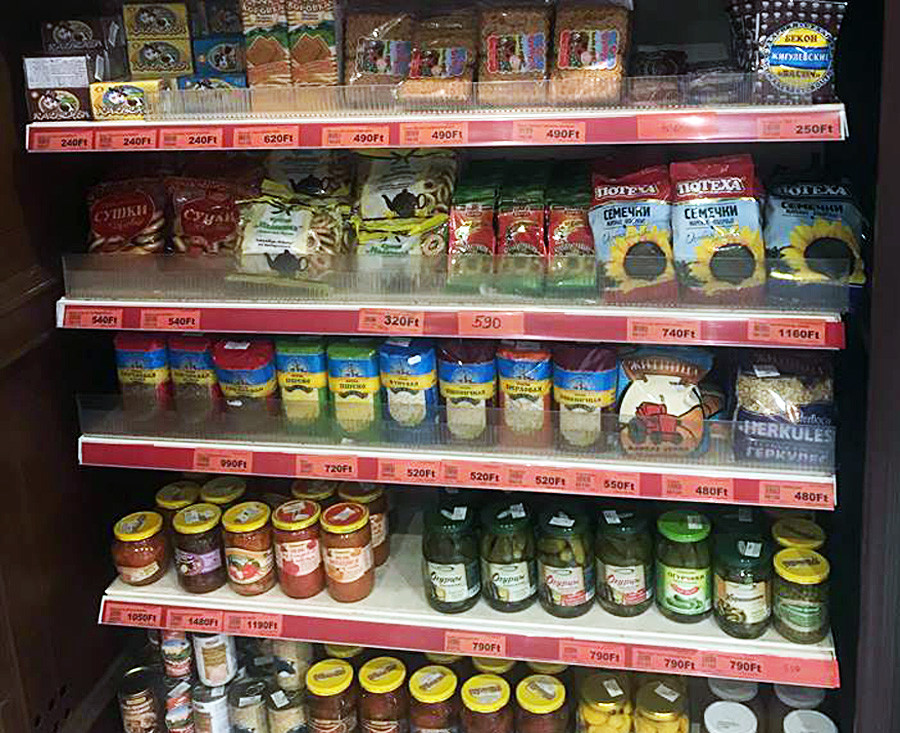
In Moscow and Saint Petersburg, everyday life continues with visible stability. Supermarkets remain stocked, though brand selection has shifted. Domestic producers and parallel imports have replaced many Western goods.
Inflation spiked during the first year of sanctions but gradually moderated. Still, purchasing power varies significantly across regions. Defense linked industries benefit from wage growth, while service sectors face slower recovery.
Small businesses have adapted by sourcing supplies through intermediary countries and emphasizing local production. The Russia economy demonstrates resilience in maintaining consumer supply chains, yet choice and international connectivity remain constrained compared to pre conflict levels.
Labor Market and Demographic Pressures
The conflict and subsequent mobilization reshaped labor distribution. Emigration of skilled professionals created gaps in technology and finance sectors. To counteract shortages, authorities introduced incentives for domestic workforce participation and vocational training expansion.
Manufacturing and agriculture sectors report labor demand exceeding supply in certain regions. Wage increases partially offset shortages but contribute to inflationary pressure.
Long standing demographic challenges including population aging add complexity. Workforce sustainability remains a structural issue that predates the conflict but has intensified in its aftermath.
Trade Realignment and Eastern Pivot
The geopolitical shift has accelerated trade realignment. The European Union once represented Russia’s largest trading partner. By 2026, Asia accounts for a significantly larger share of exports and imports.
China has become a leading partner in energy purchases, machinery trade, and financial cooperation. India’s role in oil imports has grown substantially. Bilateral settlements increasingly occur in national currencies rather than dollars.
New transport corridors including Arctic maritime routes and rail networks through Central Asia are under development. The Russia economy is integrating more deeply with non Western trade frameworks, reshaping global commerce patterns.
Technology Constraints and Innovation Strategy
Sanctions limiting semiconductor and advanced equipment imports created production challenges in aviation, automotive, and electronics sectors. Domestic substitution efforts intensified, with state funding directed toward microelectronics and industrial software.
Partnerships with Asian suppliers partially alleviate shortages, though technological gaps remain. Innovation ecosystems face pressure due to reduced international collaboration.
Technology independence has become a strategic objective. Whether domestic research capacity can close critical gaps remains uncertain, but investment commitments signal long term planning.
Fiscal Policy and Budget Priorities
Federal budget allocation has shifted decisively toward defense and internal security. Social programs remain funded to preserve public stability. Infrastructure projects continue but at moderated pace compared to pre conflict ambitions.
Tax reforms targeted resource exporters and high income brackets to sustain fiscal balance. Sovereign wealth reserves act as buffers against energy price volatility.
Public spending remains elevated. Economists debate whether sustained defense expenditure will constrain broader development goals. The Russia economy operates within a wartime fiscal model that prioritizes stability over rapid expansion.
Investment Climate and Capital Formation
Foreign direct investment from Western corporations remains minimal. Domestic conglomerates and state owned enterprises dominate strategic industries. Asian partners have expanded involvement in infrastructure and energy ventures.
Private entrepreneurs operate within tightened regulatory frameworks. Venture capital markets have narrowed, focusing largely on domestic opportunities.
While industrial output remains steady, long term innovation may require renewed global integration. The investment environment reflects geopolitical realities rather than traditional market globalization.
Monetary Policy and Inflation Management
The central bank continues active management of inflation and currency stability. Interest rate adjustments and liquidity controls aim to prevent excessive volatility.
Gold reserves and non Western currency holdings have increased proportionally within foreign exchange reserves. Financial sovereignty remains a guiding principle.
Inflation remains a sensitive issue for households. While stabilization measures have reduced sharp spikes, price pressures persist in certain sectors.
Public Sentiment and National Narrative
Official messaging emphasizes resilience and independence. Public ceremonies, media coverage, and economic forums highlight adaptation under pressure.
An academic observer in Moscow stated,
“The long term impact depends on whether structural reforms accompany wartime mobilization.”
His remark captures the uncertainty surrounding future direction.
Public opinion surveys indicate cautious support for stability measures alongside concern about economic limitations.
Historical Perspective on Wartime Economies
History offers comparisons. During previous global conflicts, major economies redirected resources toward defense while limiting consumer production. Post conflict periods often required structural adjustment and reintegration into global markets.
The Russia economy today reflects similar wartime reorientation. However, modern globalization and technological interdependence create unique challenges not present in earlier eras.
Understanding these parallels provides context but does not guarantee identical outcomes.
Structural Outlook Beyond 2026
As 2026 progresses, analysts focus on sustainability. Defense production ensures industrial output, energy exports secure fiscal revenue, and eastern partnerships provide trade channels.
Yet long term growth will depend on diversification, innovation capacity, and demographic stability. The Russia economy stands between endurance and transformation.
Policy decisions in coming years will determine whether the current framework evolves into stable equilibrium or transitional phase preceding broader normalization.
A Defining Chapter in Modern Economic Strategy
Four years of geopolitical confrontation have reshaped fiscal priorities, industrial planning, and international alignment. The Russia economy no longer mirrors its pre 2022 configuration. It operates within a structure defined by strategic autonomy, defense centralization, and eastern commercial integration.
Markets continue to monitor currency stability, energy pricing, and diplomatic developments. Domestic industries adjust to new supply chains while policymakers emphasize sovereignty.
Whether this recalibration becomes permanent or transitional remains uncertain. What is clear in Moscow in 2026 is that the Russia economy has entered a new era shaped by resilience, constraint, and strategic redefinition.