Russia Ukraine energy impact drives volatility across global oil and gas markets in 2026.
London trading desks respond as geopolitical tension reshapes energy pricing.
Investors weigh supply stability, inflation risks, and policy implications.
London, United Kingdom — February 18, 2026 — Brussels Morning Newspaper — Russia Ukraine energy impact continues to influence global oil and gas markets as renewed geopolitical uncertainty drives volatility across major trading hubs. Energy contracts tied to European supply chains recorded notable price movements during active trading hours in London, underscoring the ongoing sensitivity of markets to developments connected to Eastern Europe.
The Russia Ukraine energy impact extends well beyond regional borders. Oil, natural gas, and refined product pricing structures remain deeply intertwined with geopolitical developments, particularly when diplomatic channels show signs of strain. Investors and policymakers alike are monitoring how renewed tension could shape supply stability and long term energy security planning.
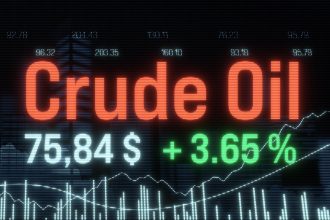
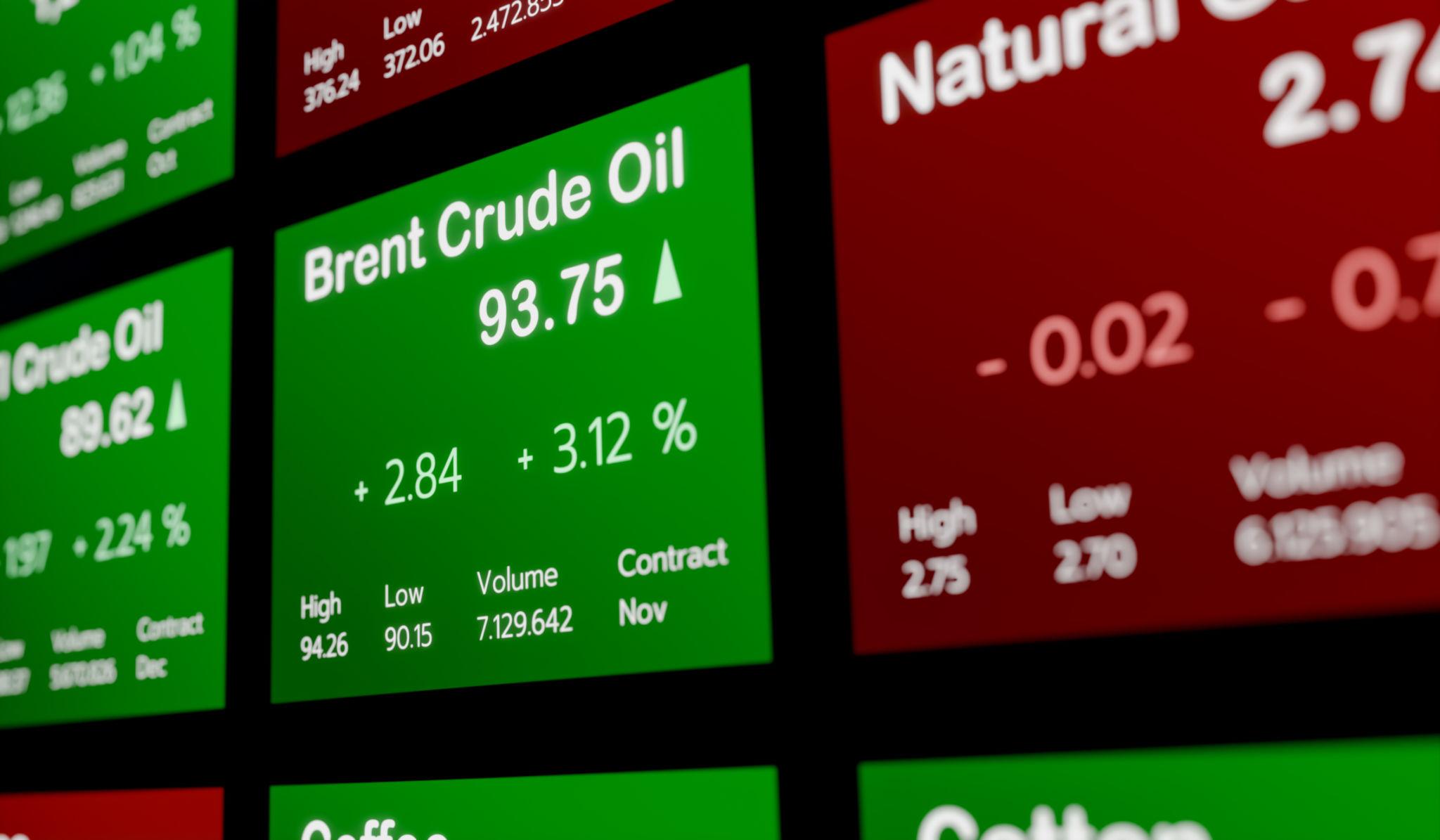
Brent crude futures, heavily traded in London, reflected this uncertainty with sharp fluctuations as traders recalibrated expectations.
London Trading Floors React to Geopolitical Signals
Russia Ukraine energy impact was evident from the opening bell on London exchanges, where Brent crude and natural gas contracts experienced heightened trading volume. Market participants responded swiftly to diplomatic developments, reassessing potential risk exposure tied to European supply routes.
Institutional investors adjusted commodity portfolios, and energy related equities tracked closely alongside crude benchmarks. The immediate reaction demonstrated the role of London as a global financial center for energy pricing.
Although no confirmed supply interruption occurred, uncertainty alone was sufficient to influence trading behavior. Market analysts noted that futures markets often move ahead of physical supply changes, reflecting anticipated rather than confirmed disruption.
Oil Supply Chains Under Renewed Scrutiny
Russia Ukraine energy impact has intensified scrutiny of supply chains that traverse Eastern Europe. Pipelines, maritime shipping lanes, and energy transit agreements remain critical components of regional energy flow.
European governments have implemented diversification strategies in recent years, including expanded liquefied natural gas imports and renewable energy investments. However, crude oil and natural gas remain foundational to industrial production and transportation systems.
Shipping insurers and logistics providers in London evaluated risk exposure as diplomatic developments unfolded. Any perceived instability along transit routes can quickly influence delivery premiums and futures pricing.
Brent Crude as a Barometer of Global Risk
Russia Ukraine energy impact has been particularly visible in Brent crude pricing due to the benchmark’s connection to European supply networks. London based traders often serve as the first responders to geopolitical energy developments.
Brent contracts incorporate geopolitical risk premiums that reflect market sentiment regarding supply security. As uncertainty increases, these premiums expand.
West Texas Intermediate futures in the United States followed London’s lead, though the epicenter of price movement remained within European trading hours.
Inflation Pressures and Monetary Policy
Russia Ukraine energy impact arrives at a time when central banks in 2026 remain attentive to inflation management. Energy costs influence consumer prices, industrial input expenses, and transportation networks.
A sustained rise in oil and gas prices could complicate monetary policy decisions. Central bankers monitor commodity movements closely when evaluating interest rate strategies.
Economists caution that a single trading session does not define a trend. Yet repeated geopolitical volatility can contribute to longer term inflationary pressures.
Investor Sentiment and Volatility Dynamics
Russia Ukraine energy impact demonstrates the psychological component embedded in commodity markets. Investors frequently respond to potential risk rather than confirmed events.
Hedge funds increased protective positions in crude futures during London trading. Options markets reflected elevated implied volatility, suggesting expectations of continued fluctuations.
“Energy markets price uncertainty quickly,”
said one London based commodity strategist. “Even without confirmed supply loss, geopolitical tension can alter expectations in minutes.”
This perspective highlights the forward looking nature of commodity trading.
European Energy Security Strategies
Russia Ukraine energy impact reinforces ongoing efforts by European policymakers to strengthen energy resilience. Since earlier phases of the conflict, diversification has become a central policy objective.
Strategic petroleum reserves offer short term safeguards, while infrastructure investments aim to reduce dependence on single supply corridors. However, global interconnectivity means that localized tension can generate worldwide consequences.
London’s financial institutions remain at the forefront of assessing these strategic considerations.

Global Ripple Effects Across Time Zones
Russia Ukraine energy impact extended beyond European markets as Asian and North American exchanges reacted to London’s momentum. Energy dependent emerging economies closely monitored developments.
Oil importing nations faced potential budgetary implications should higher pricing persist. Conversely, exporting countries observed potential fiscal benefits from elevated benchmarks.
Currency markets displayed moderate shifts, particularly among economies closely tied to energy trade flows.
Historical Patterns of Energy Volatility
Russia Ukraine energy impact aligns with historical precedents in which geopolitical instability drives commodity fluctuations. Over decades, diplomatic setbacks in major producing regions have triggered similar market reactions.
Previous episodes illustrate that energy markets frequently incorporate risk premiums during uncertain periods. Prices often stabilize when dialogue resumes or supply stability becomes clearer.
This historical context provides perspective on current volatility while underscoring the persistent linkage between diplomacy and energy pricing.
Policy and Industry Response in 2026
Russia Ukraine energy impact remains central to policy discussions across Europe in 2026. Governments are balancing diplomatic engagement with domestic energy security measures.
Energy companies in London continue evaluating contingency strategies to manage exposure. Risk management frameworks are being adjusted to reflect current geopolitical realities.
Regulatory bodies emphasize transparency and communication to maintain orderly market conditions amid heightened volatility.
Long Term Structural Considerations
Russia Ukraine energy impact may accelerate structural shifts within global energy markets. Investment in renewable energy infrastructure, liquefied natural gas terminals, and diversified sourcing agreements has gained momentum in recent years.
While oil and gas remain indispensable in the short term, geopolitical instability reinforces the importance of transition strategies.
London’s role as a financial hub ensures continued monitoring of capital flows directed toward energy diversification initiatives.
Market Outlook for the Coming Months
Russia Ukraine energy impact is expected to remain a defining factor for commodity markets throughout the coming months. Traders will monitor diplomatic developments, export data, and policy announcements for guidance.
If tensions ease, volatility may moderate. If uncertainty deepens, additional price swings are possible.
Market participants anticipate continued headline sensitivity as geopolitical dialogue evolves.

When Energy Security Shapes Economic Stability
Russia Ukraine energy impact ultimately underscores how closely global economic stability is tied to energy security. In London’s trading floors, diplomatic developments translated rapidly into price adjustments, reflecting the interconnected nature of modern markets.
Although immediate supply disruptions have not materialized, expectations have shifted. Commodity pricing reflects not only physical barrels and cubic meters, but also geopolitical confidence.
As 2026 progresses, energy markets will continue navigating the intersection of diplomacy, supply resilience, and global demand, demonstrating that energy security remains a cornerstone of economic policy and financial stability.