Difficult Ukraine peace talks conclude in Kyiv in 2026 without a breakthrough as negotiators remain divided.
Diplomatic efforts continue despite stalled momentum and rising frustration.
Global leaders monitor developments amid renewed uncertainty.
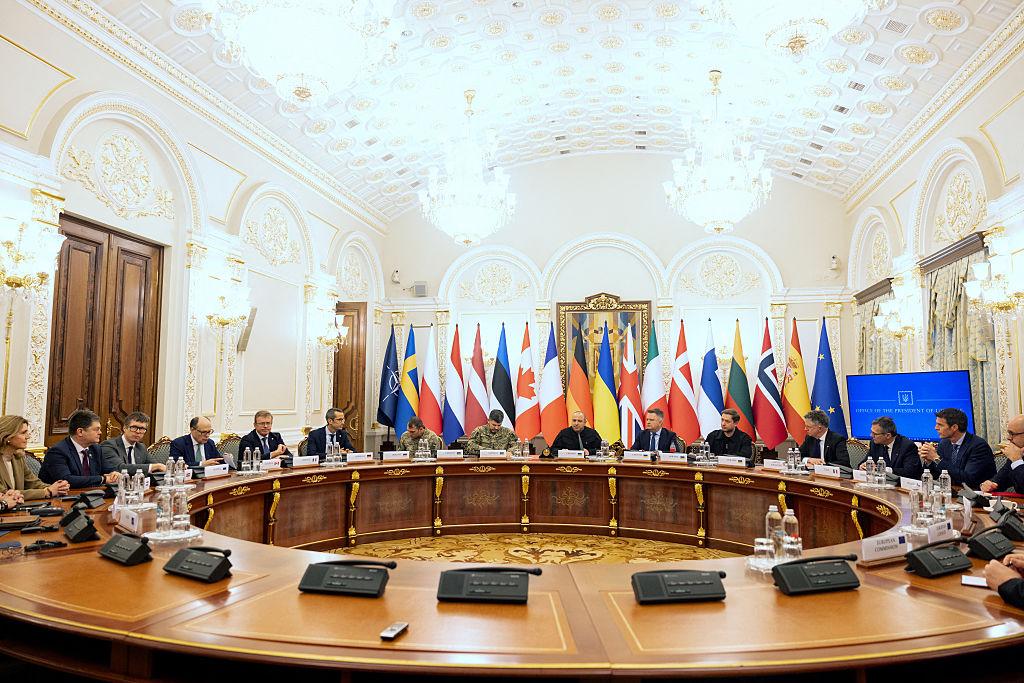
Kyiv, Ukraine – February 18, 2026 – Brussels Morning Newspaper – Difficult Ukraine peace talks ended in Kyiv this week after extended negotiations failed to produce a ceasefire framework, with Ukrainian President Volodymyr Zelenskiy accusing Russia of stalling key elements of the diplomatic process. The 2026 discussions were intended to explore pathways toward de escalation, humanitarian guarantees, and potential long term security arrangements, but officials departed without a signed agreement.
The outcome reflects the complexity of resolving one of Europe’s most consequential geopolitical crises. Despite the absence of a breakthrough, both delegations signaled that diplomatic channels remain open.
Negotiations End Without Ceasefire Agreement
The latest round of Difficult Ukraine peace talks was marked by intense deliberations and prolonged sessions focused on territorial status, security guarantees, and monitoring mechanisms. While both sides acknowledged the importance of dialogue, differences over sequencing and enforcement prevented consensus.
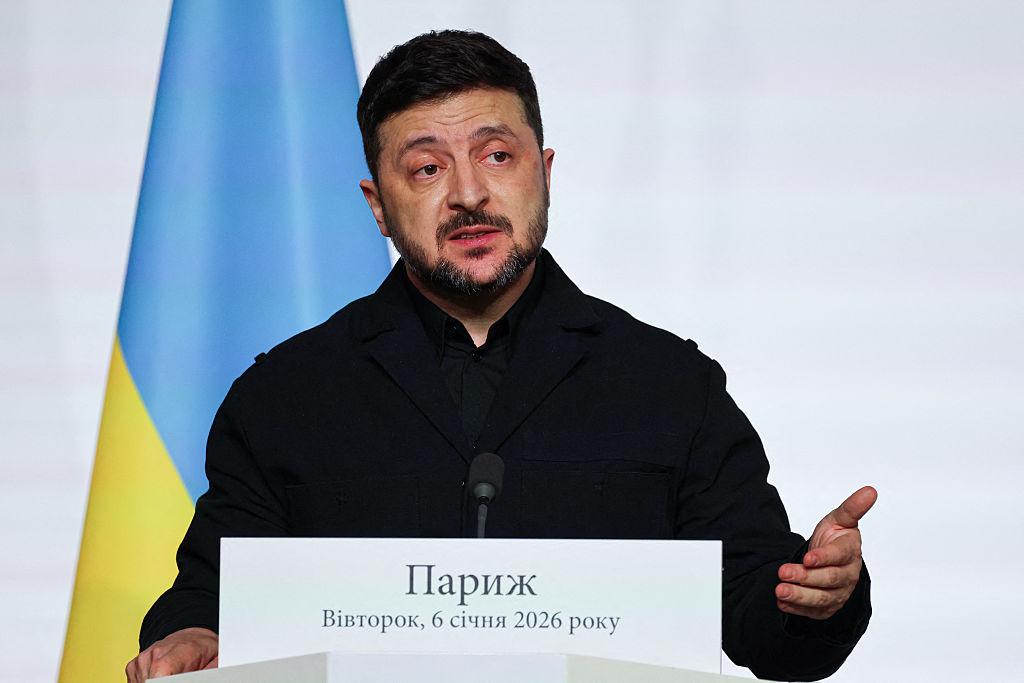
President Zelenskiy stated,
“We are prepared for meaningful diplomacy, but progress requires genuine commitment rather than delay.”
The comment captured Kyiv’s frustration following days of negotiation that did not yield measurable progress.
Diplomatic observers noted that ceasefire frameworks often require incremental steps. However, the scale of disagreement in this case highlights the depth of political and strategic divisions.
Key Points of Disagreement Between Delegations
Central to the Difficult Ukraine peace talks were disputes regarding territorial recognition and the structure of international oversight. Ukrainian officials insisted that sovereignty remains non negotiable, while Russian representatives emphasized broader security considerations.
Analysts say that trust deficits complicate compromise. Each side seeks guarantees that any agreement will be enforceable and durable.
One European mediator remarked that durable peace requires
“clarity, patience, and a willingness to address long term security architecture.”
These structural disagreements illustrate why progress has proven elusive.
International Mediation and Diplomatic Support
European and global partners participated as facilitators in the Difficult Ukraine peace talks, urging de escalation and humanitarian protections. Mediators expressed disappointment at the absence of immediate results but encouraged continued engagement.
A senior European diplomat noted that
“peace processes rarely succeed in a single round and often demand sustained political courage.”
International organizations reiterated the importance of maintaining humanitarian access and open communication channels. Despite the stalemate, diplomatic engagement remains active.
Regional Security Implications
The conclusion of the Difficult Ukraine peace talks without agreement has implications for regional stability. Border tensions and military readiness levels remain elevated.
Security analysts emphasize that prolonged uncertainty can influence strategic planning across Eastern Europe. Neighboring nations continue adjusting defense postures in response to developments.
Energy markets and trade routes also remain sensitive to geopolitical shifts. Diplomatic progress or regression directly affects economic expectations throughout the region.
Domestic Political Dynamics in Kyiv
Within Ukraine, public opinion strongly supports preserving territorial integrity. The Difficult Ukraine peace talks unfolded amid domestic expectations that leadership would maintain firm negotiating positions.
President Zelenskiy faces pressure to pursue diplomacy without conceding strategic interests. Balancing public sentiment with international diplomatic realities remains a defining challenge.
Political observers say that leadership credibility depends on transparency and consistent messaging during negotiations.
Moscow’s Strategic Considerations
Russian officials have maintained that discussions must reflect broader regional security concerns. While rejecting accusations of stalling, they describe the negotiation process as inherently complex.
The Difficult Ukraine peace talks highlight divergent visions for post conflict arrangements. Moscow’s position emphasizes long term security guarantees, while Kyiv prioritizes sovereignty protections.
Analysts note that bridging these perspectives requires trust building measures that have yet to materialize.
Humanitarian Dimensions of the Talks
Humanitarian corridors, prisoner exchanges, and civilian protections were central to the agenda. Although the Difficult Ukraine peace talks did not produce a comprehensive agreement, negotiators acknowledged the urgency of protecting vulnerable populations.
Relief organizations continue to advocate for sustained humanitarian access. Even in the absence of political consensus, humanitarian mechanisms remain critical.
The ongoing uncertainty underscores the human cost of stalled diplomacy.
Economic Repercussions Across Europe
Financial markets reacted cautiously following news that the Difficult Ukraine peace talks ended without progress. Investors remain attentive to geopolitical developments that could influence energy pricing and trade flows.
Economic recovery efforts across Europe are partially tied to stability in Eastern Europe. Prolonged diplomatic deadlock may affect long term investment decisions.
Policy analysts emphasize that predictability in diplomacy often correlates with improved market confidence.
Historical Context of Peace Efforts in the Region
Over the past decade, multiple negotiation attempts have sought to ease tensions between Ukraine and Russia. The Difficult Ukraine peace talks represent the latest chapter in a complex diplomatic history marked by intermittent progress and setbacks.
Previous ceasefire agreements demonstrated the importance of monitoring mechanisms and third party guarantees. However, enforcement challenges have historically complicated implementation.
Understanding this history provides insight into why negotiators remain cautious when crafting new proposals.
Global Diplomatic and Strategic Impact
The ramifications of the Difficult Ukraine peace talks extend beyond regional borders. Major powers continue assessing how developments shape broader security architecture and alliance structures.
Diplomatic outcomes influence defense planning, economic partnerships, and international policy debates. As global leaders monitor the situation, sustained engagement remains a priority.
The broader geopolitical environment underscores the stakes involved in reaching lasting peace.
Prospects for Renewed Dialogue
Despite the setback, officials on both sides indicated that communication channels remain open. The Difficult Ukraine peace talks may resume in revised formats or under expanded mediation frameworks.
Observers suggest that incremental measures, including localized ceasefires or humanitarian agreements, could rebuild trust.
Diplomacy often requires persistence beyond early disappointments. The willingness to continue engagement signals that negotiations have not collapsed entirely.

A Defining Diplomatic Moment in Kyiv 2026
The Difficult Ukraine peace talks in Kyiv in 2026 highlight the formidable obstacles facing negotiators seeking durable resolution. President Zelenskiy’s assertion that Russia is stalling reflects deep mistrust that continues to shape discussions.
Yet the continuation of dialogue demonstrates recognition that diplomacy remains essential. Even when immediate progress proves elusive, structured engagement preserves pathways toward eventual compromise.
As the international community observes closely, the coming months will determine whether renewed talks can narrow divisions. In a period defined by geopolitical tension, the search for stability remains one of Europe’s most consequential diplomatic challenges.