Islamabad, March 29, 2026, Brussels Morning Newspaper confirms that diplomatic talks have intensified as Pakistan Turkiye Egypt and Saudi Arabia move swiftly to reduce escalating tensions. The urgency surrounding these developments reflects growing concern that instability could expand beyond current flashpoints if immediate action is not taken.
Senior officials indicate that diplomatic talks are taking place across multiple levels including leadership engagement and coordinated foreign policy efforts. The goal is clear to prevent escalation and preserve regional balance at a time of heightened uncertainty.
Regional Powers Move Toward Coordinated Strategy
A significant development in the current situation is the level of coordination among regional powers. Pakistan Turkiye Egypt and Saudi Arabia are aligning their positions in a way that signals a strategic shift toward cooperation.
Experts believe that diplomatic talks are no longer reactive but part of a broader proactive approach aimed at preventing conflict before it escalates. This coordinated strategy reflects a deeper understanding of the risks associated with delayed engagement.
The emphasis on dialogue demonstrates a willingness to prioritize long term stability over short term political positioning.
Global Economic Pressure Adds Momentum
Economic realities are playing a central role in accelerating diplomatic talks. Markets have reacted to rising geopolitical uncertainty with fluctuations in energy prices and disruptions in trade flows.
Financial analysts note that sustained instability could have far reaching consequences for global economic systems. As a result diplomatic talks are being viewed as essential for restoring confidence and preventing further disruption.
The connection between geopolitical stability and economic performance has become increasingly evident in recent developments.
Humanitarian Concerns Shape Urgent Engagement
Humanitarian considerations are another driving force behind diplomatic talks. Civilian populations in affected regions face increasing challenges as tensions rise and access to essential services becomes more limited.
Relief organizations emphasize the importance of dialogue in ensuring that humanitarian assistance can be delivered effectively. Protecting lives remains a central objective of ongoing efforts.
One senior diplomat stated,
“Diplomacy remains the strongest tool we have to reduce tensions while protecting vulnerable populations.”

Structured Negotiations Define the Approach
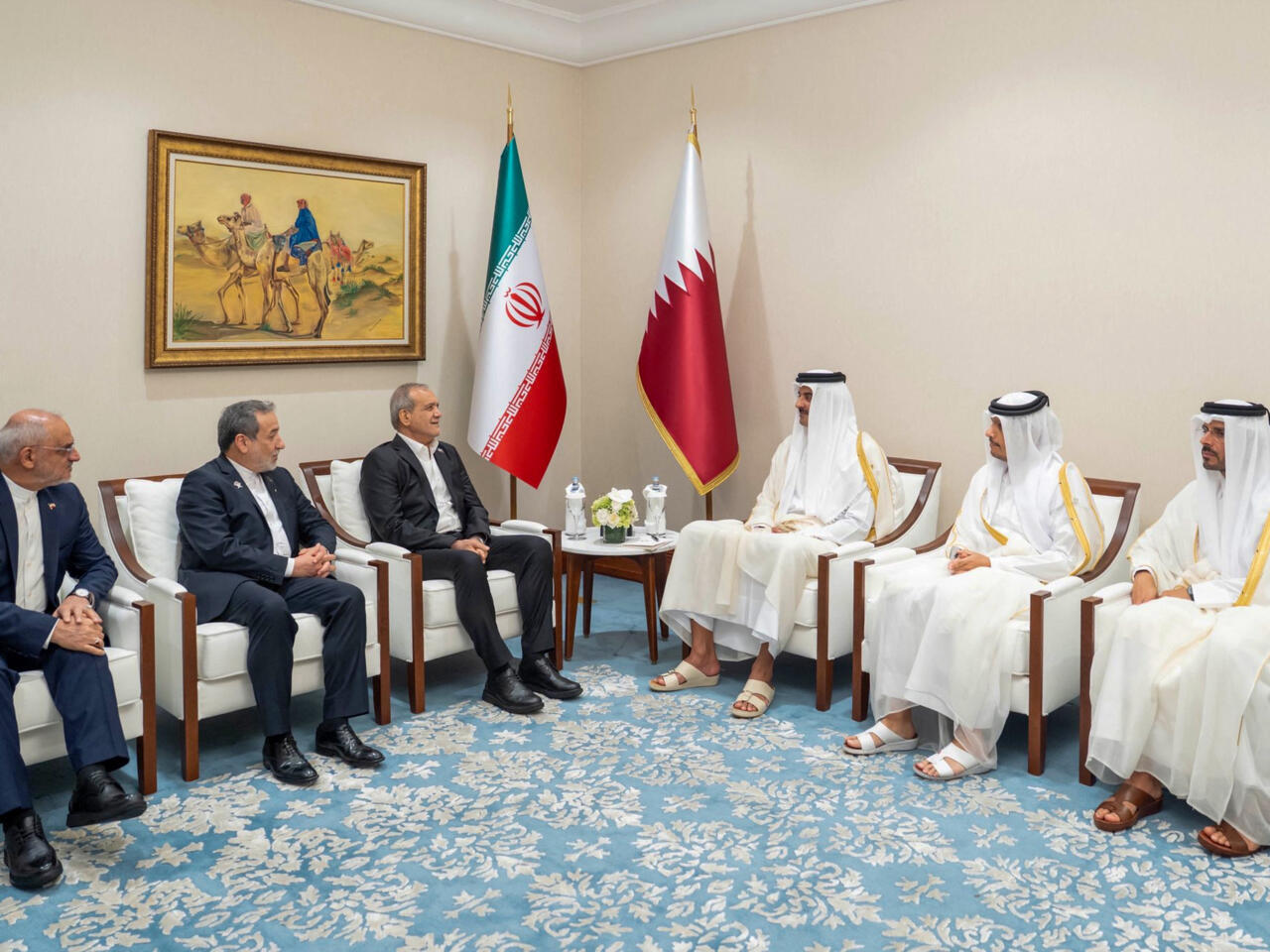
The framework of current diplomatic talks reflects a structured and multi layered approach. This includes direct discussions between leaders as well as indirect communication channels designed to build trust.
Officials stress that maintaining continuous engagement is essential to avoid misunderstandings that could escalate tensions. The process requires patience coordination and a willingness to adapt to changing circumstances.
This structured approach highlights the evolution of diplomacy in addressing complex geopolitical challenges.
Security Concerns Remain a Central Priority
Security risks continue to influence the direction of diplomatic talks. Preventing incidents that could trigger broader conflict is a key objective for participating nations.
Military analysts note that establishing reliable communication channels helps reduce the risk of miscalculation. Transparency and coordination are critical components in maintaining stability during periods of uncertainty.
These measures demonstrate the practical impact of diplomacy in managing security challenges.
International Community Closely Observes Developments
Global leaders and international organizations are closely monitoring diplomatic talks as they unfold. The outcome of these discussions could have significant implications for international stability.
Support from the global community underscores the importance of continued engagement. Observers believe that these efforts could set a precedent for managing similar crises in other regions.
The collaborative nature of these discussions is widely seen as a positive step toward conflict prevention.
Historical Context of Regional Diplomacy
Diplomatic engagement in the region has evolved significantly over time. Earlier initiatives often faced limitations due to fragmented approaches and limited coordination.
Today’s diplomatic talks represent a more comprehensive effort involving multiple stakeholders and structured frameworks. This evolution reflects a growing recognition that lasting peace requires inclusive and coordinated strategies.
Historical experiences continue to provide valuable insights that inform current efforts and guide decision making.
Challenges That Could Influence Outcomes
Despite progress several challenges remain. Political differences competing interests and external influences could complicate ongoing efforts.
However the continued commitment to dialogue suggests that participating nations are prepared to navigate these complexities. Flexibility and persistence will be essential in achieving meaningful outcomes.
Experts emphasize that adapting to changing conditions is critical for long term success.
Leadership Plays a Decisive Role
Strong leadership is a defining factor in the success of these efforts. The willingness of leaders to engage constructively and prioritize stability is essential.
Political analysts highlight that effective leadership can transform discussions into actionable outcomes. Building trust among stakeholders remains a key objective.
Another senior observer noted,
“Leadership during times of crisis determines whether diplomacy leads to stability or further uncertainty.”
Future Outlook for Stability and Cooperation
Looking ahead these efforts are expected to continue as part of a broader strategy to maintain regional stability. While immediate outcomes may vary the long term impact could be significant.
Sustained engagement has the potential to reshape regional dynamics and reduce the likelihood of conflict. Cooperation among nations remains a cornerstone of these initiatives.
A Defining Moment for Global Stability
The developments unfolding in Islamabad March 29 2026 represent a defining moment in efforts to prevent escalation and promote stability. The coordinated approach taken by Pakistan Turkiye Egypt and Saudi Arabia highlights the importance of dialogue in addressing complex geopolitical challenges.
As diplomatic talks continue the focus remains on achieving practical outcomes that can support both regional and global stability. The success of these efforts will depend on sustained commitment cooperation and a shared vision for peace.
This moment underscores the enduring importance of diplomacy as a powerful tool for resolving conflict and building a more secure future.