Islamabad— March 24, 2026 — Brussels Morning Newspaper — Iran US negotiations are gaining renewed attention after Pakistan formally offered to host high-level peace talks, even as tensions escalate following the resignation of a senior U.S. counterterrorism official in protest of Washington’s war posture toward Iran. The proposal comes at a time when diplomatic channels remain fragile and the risk of broader regional escalation continues to grow.
- Pakistan Steps Forward as Key Mediator
- Resignation Adds Urgency to Diplomatic Efforts
- Conflicting Signals Complicate Negotiations
- Regional Conflict Raises Stakes
- Global Markets Watching Closely
- Challenges to Achieving Breakthrough
- Can Pakistan’s Initiative Succeed?
- Strategic Moment for Diplomacy
- Will Iran US Negotiations Prevent a Wider War?
Pakistan’s leadership has publicly stated its readiness to facilitate meaningful dialogue, positioning Islamabad as a potential neutral ground for negotiations. The offer reflects growing international concern that without diplomacy, the conflict could spiral further out of control.
Pakistan Steps Forward as Key Mediator
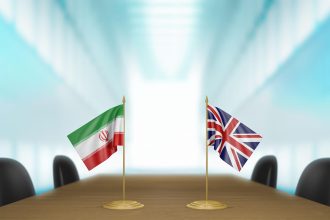
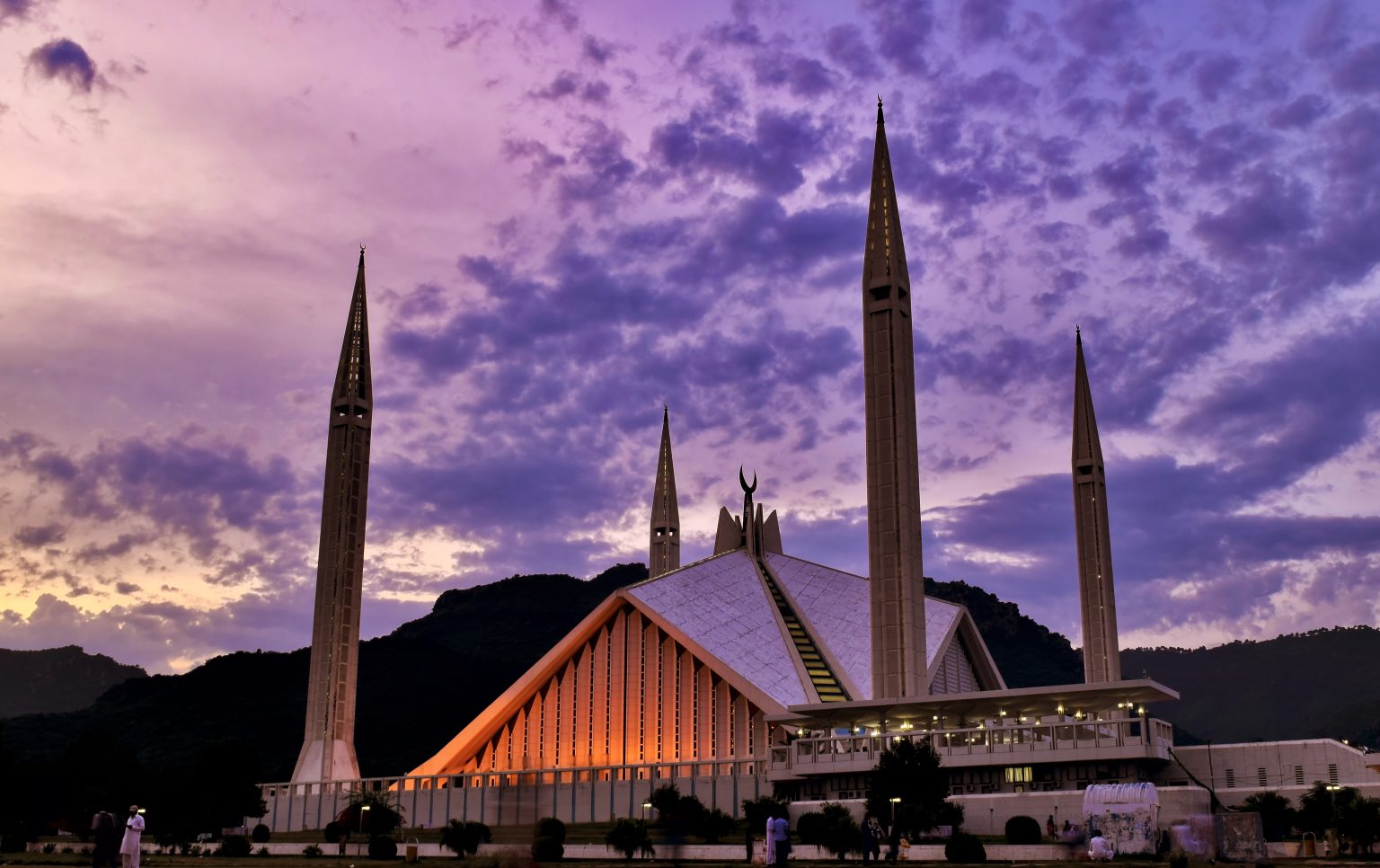
Pakistan’s willingness to host Iran US negotiations highlights its evolving role in global diplomacy. Prime Minister Shehbaz Sharif emphasized that Pakistan is prepared to facilitate talks “subject to concurrence by both sides,” signaling openness to a diplomatic solution.
The move aligns with broader mediation efforts involving countries like Turkey and Egypt, which have also attempted to bridge communication gaps between Washington and Tehran.
Analysts believe Pakistan’s balanced relationships with both the United States and Iran could make it a viable intermediary, especially at a time when trust between the two nations remains deeply strained.
A regional expert noted:
“Iran US negotiations are entering a critical phase, and Pakistan’s involvement could provide the neutral ground needed to restart meaningful dialogue.”
Resignation Adds Urgency to Diplomatic Efforts
The resignation of a top U.S. counterterrorism official has intensified pressure for Iran US negotiations to move forward. The official reportedly stepped down over concerns that escalating military actions could lead to unintended consequences and a wider regional conflict.
This development has amplified concerns within policy circles, as internal divisions become more visible. Experts suggest that such high-profile resignations often signal deeper strategic disagreements and can accelerate calls for diplomacy.
The timing of the resignation has further underscored the urgency of establishing a diplomatic pathway to prevent further escalation.
Conflicting Signals Complicate Negotiations
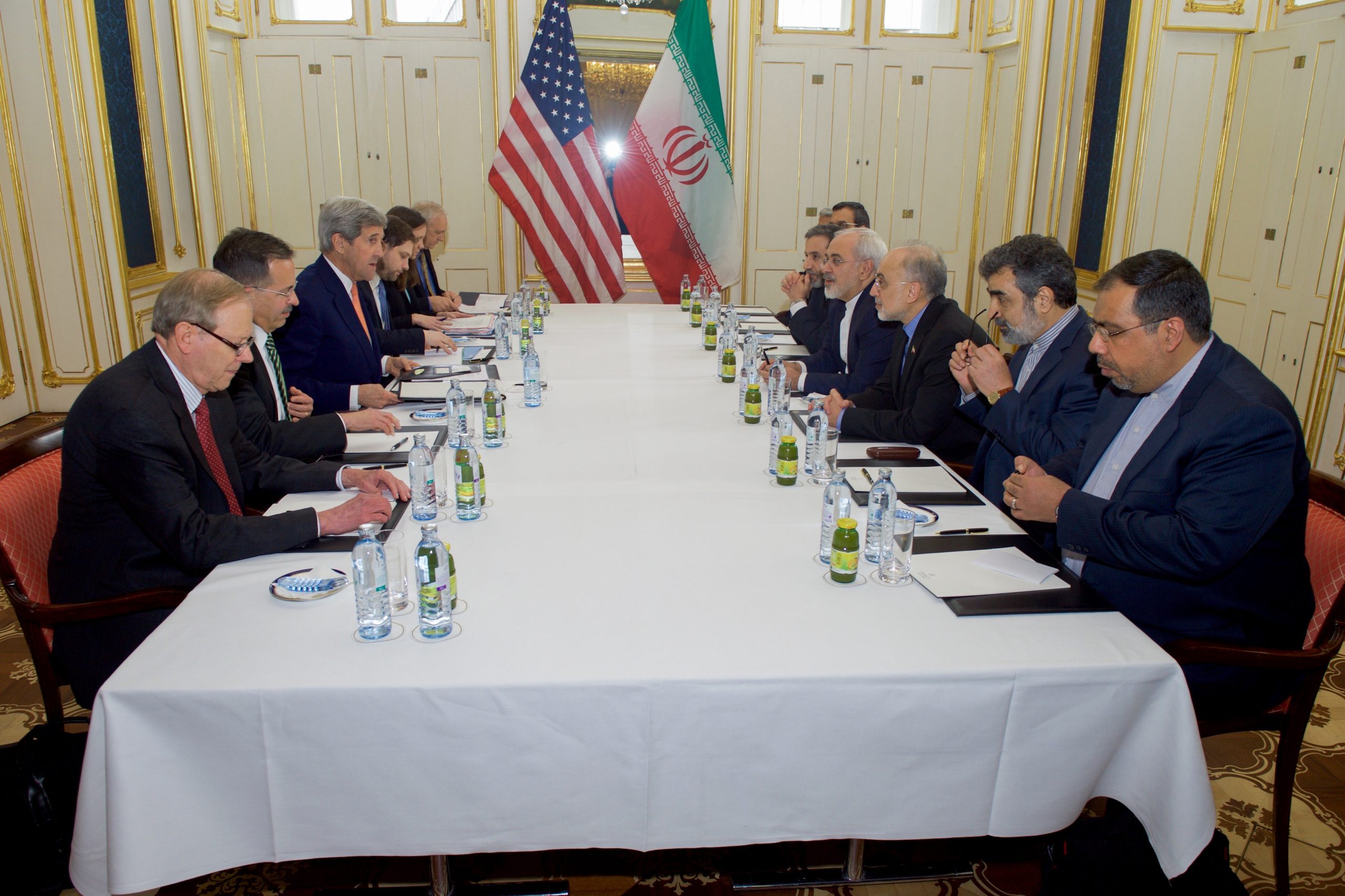
Despite claims of progress, Iran US negotiations remain clouded by conflicting statements from both sides. U.S. officials have suggested that indirect discussions are underway, while Iranian leaders have publicly denied that any formal talks are taking place.
This divergence highlights the complexity of the situation, where backchannel communications may exist even as public rhetoric remains confrontational. Observers note that such dynamics are not uncommon in high-stakes diplomacy.
At the same time, ongoing military actions continue to complicate efforts to establish trust and move negotiations forward.
Regional Conflict Raises Stakes
The broader geopolitical environment has made Iran US negotiations more critical than ever. The conflict, which intensified after military strikes earlier this year, has already had significant regional and global impacts.
Iran’s retaliatory actions, including attacks on energy infrastructure and strategic waterways, have heightened fears of prolonged instability.
The involvement of multiple actors, including regional allies and proxy groups, increases the risk that the conflict could expand beyond its current scope.
Global Markets Watching Closely
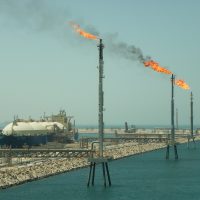
The outcome of Iran US negotiations is being closely monitored by global markets, particularly in the energy sector. The Strait of Hormuz, a key shipping route for oil and gas, has become a focal point of concern.
Any disruption to this vital corridor could have far-reaching economic consequences, including rising energy prices and increased market volatility.
Investors and policymakers alike are looking to diplomatic developments as a potential stabilizing factor amid ongoing uncertainty.
Challenges to Achieving Breakthrough
While the prospect of Iran US negotiations offers hope, significant obstacles remain. Key issues such as nuclear policy, sanctions, and regional influence continue to divide the two sides.
Previous rounds of indirect talks have yielded limited progress, with both nations maintaining firm positions on critical issues.
Trust remains a major barrier, as past agreements have been undermined by shifting political dynamics and external pressures.
Can Pakistan’s Initiative Succeed?
Pakistan’s offer to host Iran US negotiations represents a potential turning point, but success is far from guaranteed. The willingness of both sides to engage in meaningful dialogue will ultimately determine the outcome.
Diplomatic experts emphasize the importance of sustained engagement, confidence-building measures, and clear communication to achieve progress. Without these elements, negotiations may struggle to move beyond initial stages.
However, the involvement of multiple mediators and growing international pressure could create conditions conducive to dialogue.
Strategic Moment for Diplomacy
The current moment presents both risks and opportunities for Iran US negotiations. With tensions at a high point, the incentive to avoid further escalation may encourage both sides to consider diplomatic solutions.
At the same time, ongoing military actions and political pressures could hinder efforts to reach an agreement. The coming weeks are likely to be decisive in determining whether diplomacy can prevail.
Will Iran US Negotiations Prevent a Wider War?
The push for Iran US negotiations comes at a critical time, as Pakistan offers to host talks and global tensions continue to rise following a major U.S. resignation over war strategy.
While diplomatic efforts offer a potential path to de-escalation, deep mistrust and ongoing conflict remain major challenges. The success or failure of these negotiations could shape the future of regional stability and global security.