
Tehran, Iran – March 24, 2026 – Brussels Morning Newspaper — Iran leadership update has emerged as a defining development in Tehran, where authorities have moved swiftly to appoint a new security chief following the killing of a senior political figure. The decision reflects both urgency and strategic recalibration within Iran’s leadership, as officials work to contain uncertainty and project stability during a sensitive period.
The move comes amid heightened regional tensions and increasing scrutiny of Iran’s internal security systems, placing the country at the center of global attention.
Breaking News Snapshot
Iran leadership update highlights a rapid leadership transition triggered by a high profile killing that has shaken the political core of Tehran. Officials confirmed that the appointment of a new security chief was finalized within hours of the incident, signaling a strong intent to maintain operational continuity.
Security presence across the capital has intensified, with visible patrols and tightened access around government facilities. The response suggests that authorities are treating the situation as both a security and political priority.
“The speed of this appointment reflects the seriousness of the moment and the need for immediate stability,”
a regional analyst noted.
What Happened in Tehran
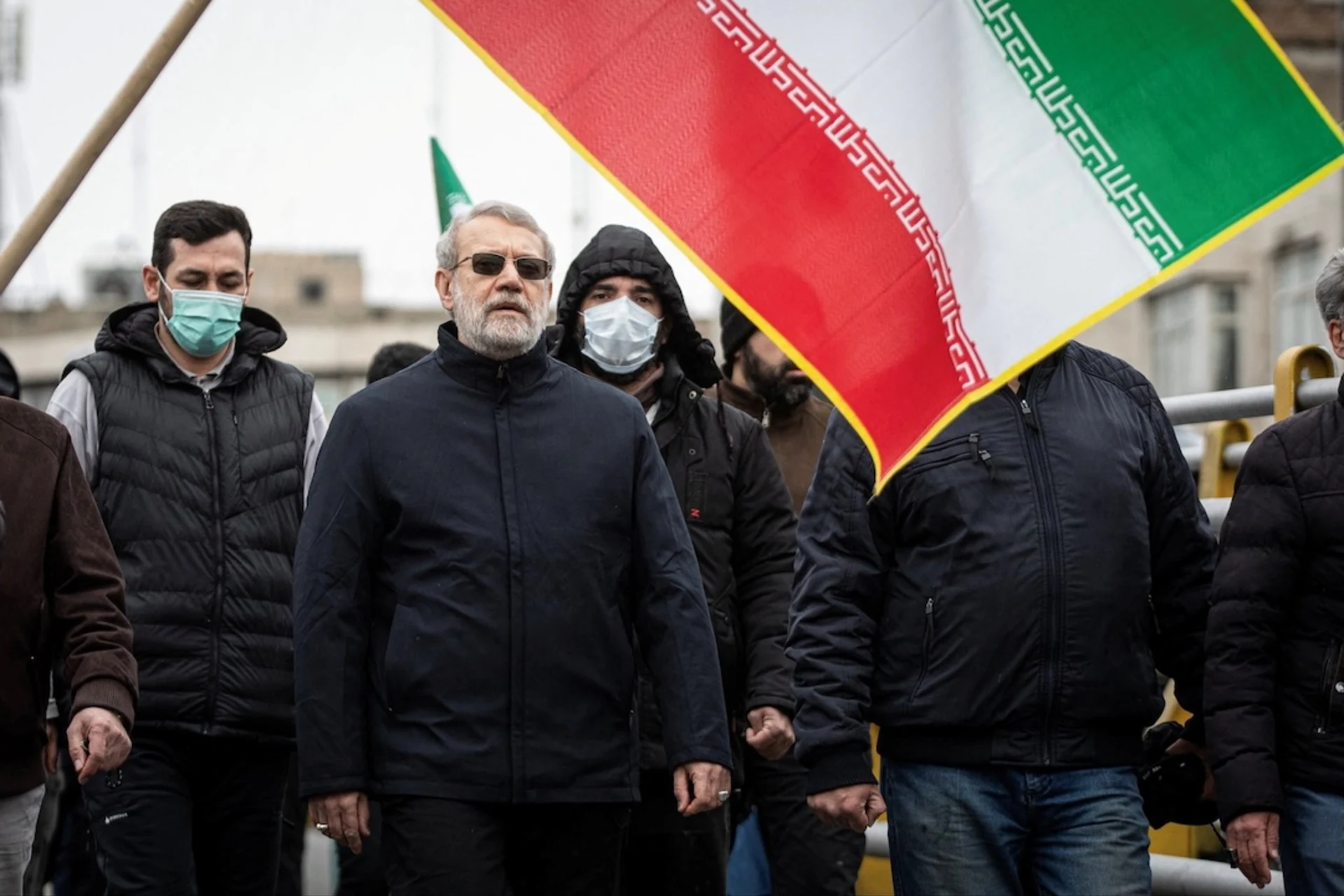
Iran leadership update revolves around the killing of Larijani, a prominent figure deeply embedded within Iran’s political and security establishment. While official statements remain limited, early indications suggest the incident was targeted and executed with precision.
The attack has raised concerns about vulnerabilities within Iran’s security framework. It also underscores the risks faced by high ranking officials in an increasingly complex threat environment.
Authorities have launched an investigation, focusing on both internal and external possibilities, though no official attribution has been made.
Who Is the New Security Chief
Iran leadership update brings attention to the newly appointed security chief, a figure known for extensive experience in intelligence coordination and crisis management. His background includes years of service within Iran’s defense and security institutions.
Officials describe him as a strategic thinker with a disciplined approach, qualities deemed essential in navigating the current situation. His appointment signals a commitment to reinforcing control and ensuring continuity.
The leadership change is expected to have immediate operational impact, particularly in areas related to intelligence gathering and threat prevention.
Government Strategy and Rapid Response
Iran leadership update demonstrates how quickly Iran’s leadership can act during times of crisis. The appointment of a new security chief was accompanied by a broader set of measures aimed at stabilizing the situation.
These include enhanced surveillance, increased coordination among security agencies, and heightened alert levels across critical infrastructure. The government has also emphasized unity and resilience in its public messaging.
“Maintaining order is the top priority, and all necessary measures are being taken,”
an official statement emphasized.
Political Realignment Inside Iran
Iran leadership update may lead to shifts in political influence within the country’s leadership structure. The removal of a senior figure often triggers changes in alliances and power dynamics.
Some analysts suggest that the current development could consolidate authority among certain factions, while others believe it may prompt internal reassessment of security strategies.
The long term political impact will depend on how effectively the new leadership manages both internal and external pressures.
Regional Reactions and Strategic Concerns
Iran leadership update is being closely monitored across the Middle East. Neighboring countries are evaluating the potential implications for regional stability, particularly given Iran’s significant role in geopolitical affairs.
The development comes at a time when tensions remain elevated in multiple areas, making the situation in Tehran especially relevant to broader regional dynamics.
Diplomatic channels are likely to remain active as countries assess how this leadership change might influence future interactions.
Global Attention and Diplomatic Impact
Iran leadership update has drawn significant international attention, with global powers closely observing developments. The combination of a high profile killing and rapid leadership transition has raised questions about stability and governance.
International stakeholders are likely to consider the potential impact on negotiations, security cooperation, and economic relations.
The situation underscores the interconnected nature of modern geopolitics, where events in one country can have far reaching consequences.
Security Risks and Ongoing Threats
Iran leadership update highlights ongoing concerns about security risks within Iran. The killing has exposed potential gaps in protection mechanisms and raised fears of further incidents.
Experts suggest that the evolving nature of threats, including covert operations and cyber activities, requires continuous adaptation.
The new security chief faces the immediate challenge of strengthening defenses and restoring confidence within the system.
Public Sentiment and Stability Concerns
Iran leadership update has also influenced public perception. While official messaging emphasizes control, there is an underlying sense of uncertainty among citizens.
Public confidence will depend on the government’s ability to manage the situation effectively and provide clear communication.
Maintaining stability will require both strong leadership and continued vigilance.
Historical Context of Leadership Changes in Iran
Iran leadership update can be better understood within the broader historical context of leadership transitions in Iran. The country has experienced several moments where sudden changes in leadership reshaped its political landscape.
These transitions often occur during periods of heightened tension, reflecting the complex interplay between internal dynamics and external pressures.
Historically, such moments have served as turning points, influencing both domestic policies and international relations.
Strategic Outlook for the Coming Weeks
Iran leadership update marks a critical juncture for Iran’s leadership. The immediate focus will be on stabilizing the situation and preventing further disruptions.
The effectiveness of these efforts will determine how the country navigates current challenges and prepares for future risks.
Observers will be watching closely as the situation evolves, with particular attention to security measures and political developments.
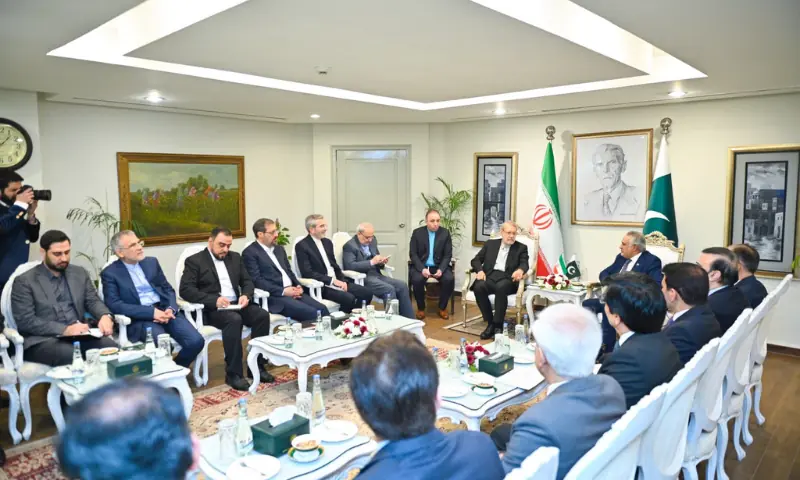
A Defining Moment for Iran’s Leadership Future
Iran leadership update reflects a pivotal moment that could shape the trajectory of Iran’s governance and security policies. The rapid appointment of a new security chief demonstrates the system’s ability to respond under pressure.
However, the long term implications will depend on how effectively the leadership addresses underlying challenges and restores confidence.
“This is not just a leadership change, it is a test of resilience for the entire system,”
a political observer stated.
The Turning Point That Will Define Iran’s Next Chapter
Iran now stands at a decisive crossroads where leadership decisions made in the aftermath of this crisis will shape the country’s stability, governance, and security direction for years to come. The swift appointment of a new security chief reflects urgency, but it also highlights deeper structural pressures within the system that cannot be ignored.
This moment is not simply about replacing one official with another. It represents a broader test of resilience, institutional strength, and the ability of Iran’s leadership to respond effectively under intense scrutiny. The coming weeks will determine whether stability can be reinforced or if further challenges will emerge.
As global attention remains fixed on Tehran, the actions taken now will define not only immediate outcomes but also the long term trajectory of Iran’s political and security landscape.