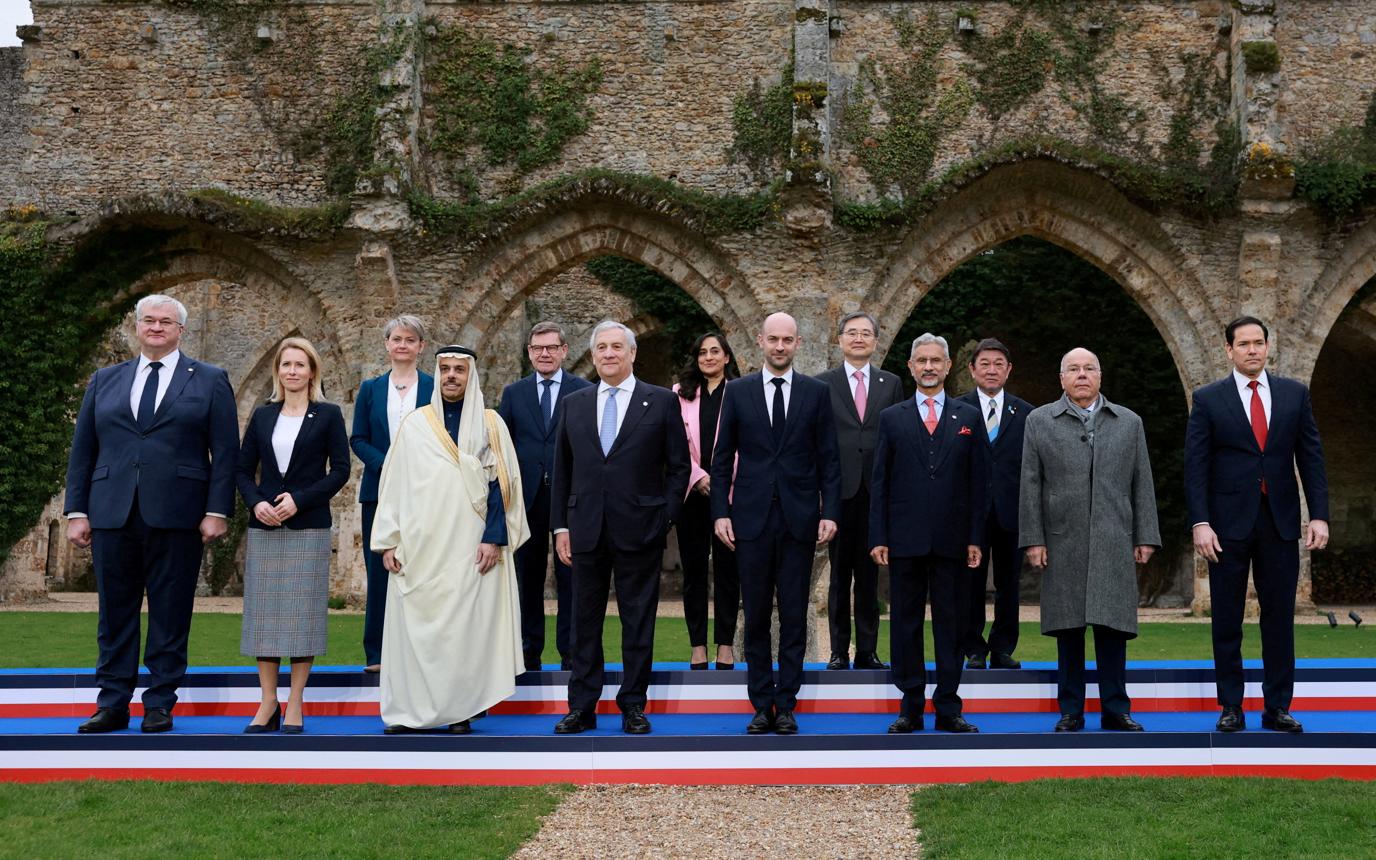
Paris, France, 9 November – Brussels Morning Newspaper – G7 Foreign Ministers Paris Talks are taking place on November 9–10, 2026, as leading industrialised democracies gather in the French capital to address major international security challenges, including the conflicts involving Iran and Ukraine, energy security and artificial intelligence.
The two-day meeting brings together representatives from the United States, United Kingdom, France, Germany, Italy, Canada and Japan, alongside the European Union.
Hosted under France’s G7 presidency, the discussions aim to strengthen diplomatic cooperation at a time of growing international uncertainty and disagreements over global security priorities.
Iran Conflict Dominates Diplomatic Discussions
The ongoing conflict involving Iran is expected to be one of the most important issues during the Paris meeting.
European governments are concerned about the possibility of further military escalation in the Middle East and its consequences for regional stability, international trade and energy markets.
US Secretary of State Marco Rubio is attending the talks as Washington continues exploring diplomatic options to resolve the conflict.
However, negotiations have faced significant obstacles, with Rubio indicating that Iranian demands remain unacceptable to the United States.
The conflict has also disrupted shipping routes around the Strait of Hormuz and the Red Sea, contributing to rising energy costs and economic uncertainty.
G7 ministers are expected to discuss ways to reduce tensions, protect commercial shipping and support diplomatic efforts aimed at preventing further escalation.
Ukraine War Remains a Major Priority
Russia’s continuing war against Ukraine is another central issue in the G7 Foreign Ministers Paris Talks.
European leaders want to ensure that any future peace agreement protects Ukraine’s sovereignty and provides credible long-term security guarantees.
The United States is pursuing diplomatic discussions involving Ukrainian and Russian representatives, while European governments remain concerned about their role in shaping a potential settlement.
Ukraine’s Foreign Minister Andrii Sybiha is expected to participate in a dedicated session on November 10.
Discussions will focus on military assistance, air defence systems, financial support and protecting Ukraine’s energy infrastructure ahead of winter.
France is also hosting a conference on restoring the protective structure at the Chornobyl nuclear facility, which was damaged during a Russian attack in 2025.
Artificial Intelligence Security Takes Centre Stage
Artificial intelligence is emerging as an increasingly important subject in international diplomacy.
During the Paris talks, G7 ministers will examine the security risks associated with rapidly developing AI technologies.
Governments are particularly concerned about how advanced AI systems could affect national security, critical infrastructure and international stability.
The discussions follow earlier G7 efforts to coordinate AI safety policies and encourage responsible technological development.
France has emphasised the importance of maintaining innovation while ensuring that emerging technologies do not create unacceptable security risks.
The meeting provides another opportunity for leading economies to explore common approaches to AI governance and international cooperation.
US Foreign Policy Faces Fresh Questions
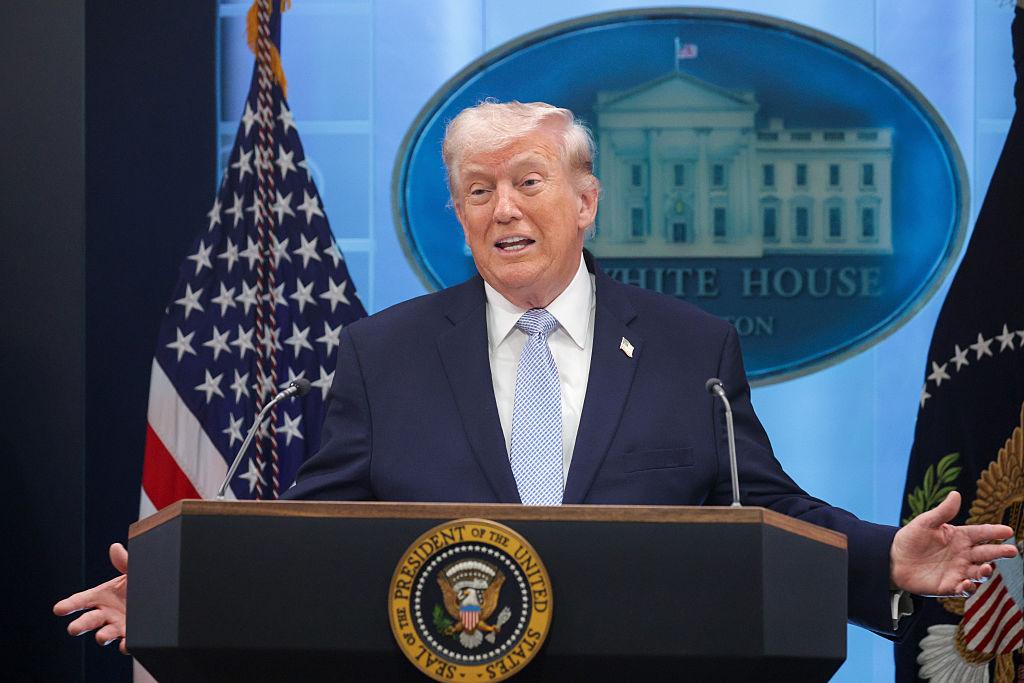
The Paris gathering comes shortly after the US midterm elections, which delivered significant political setbacks for President Donald Trump’s Republican Party.
The results have raised questions among Washington’s allies about whether the administration will adjust its international strategy.
Rubio’s participation is particularly important because European governments are seeking clarity on American positions regarding Ukraine, Iran and NATO.
Despite these concerns, major changes in US foreign policy are not guaranteed.
Differences between Washington and European governments over international institutions, defence commitments and military intervention could complicate efforts to reach a common position.
France has already indicated that the meeting is not expected to produce a joint communiqué, highlighting the challenges facing G7 diplomacy.
Energy Security and Global Cooperation
Energy security is another important concern for the participating countries.
Disruptions linked to the Middle East conflict have increased pressure on international fuel markets, while attacks on Ukrainian energy infrastructure continue to threaten regional stability.
G7 representatives will discuss diversifying energy supplies, improving resilience and reducing the economic consequences of international conflicts.
The agenda also includes humanitarian assistance, food security, maritime safety and developments in other regions, including Sudan, Haiti and the Indo-Pacific.
France has invited representatives from Brazil, Egypt, South Korea, Saudi Arabia and Ukraine to participate in selected discussions.
Their involvement reflects an effort to broaden diplomatic cooperation beyond the traditional G7 membership.
What to Expect From the Paris G7 Meeting
The G7 Foreign Ministers Paris Talks offer an important opportunity for major democracies to coordinate their responses to international crises.
However, reaching agreement on sensitive issues such as Iran, Ukraine and American foreign policy may prove difficult.
The meeting’s significance will depend on whether ministers can translate their discussions into practical cooperation, particularly on diplomatic negotiations, financial assistance and international security.
Artificial intelligence governance could also become a major area of future collaboration as governments confront increasingly complex technological challenges.
As the two-day gathering continues, attention will focus on whether the G7 can demonstrate unity despite political disagreements and competing national priorities.
For Europe and its international partners, the Paris meeting represents another test of their ability to respond collectively to a rapidly changing global security environment.