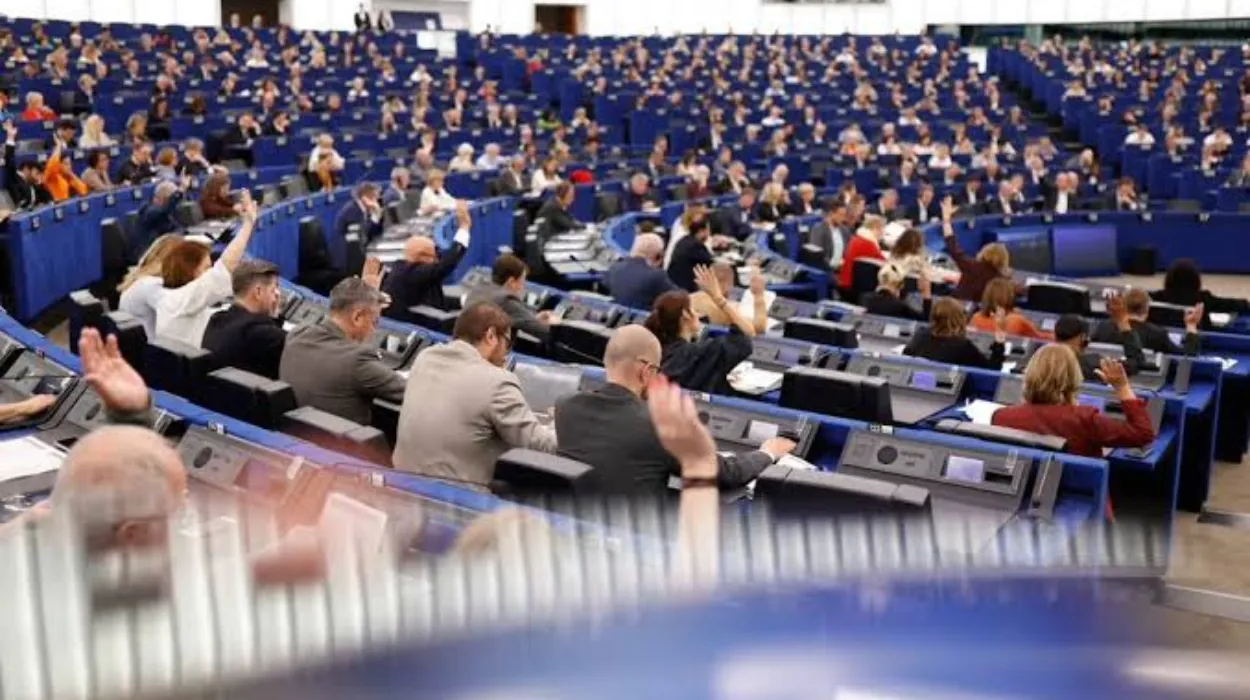
Brussels (Brussels Morning Newspaper) October 23, 2026 – A marathon European Union summit held on October 15 and 16 has concluded without a breakthrough regarding the bloc’s upcoming long-term budget. While European leaders asserted that the path forward is clearer, member states remain deeply divided over financing strategic priorities for the period between 2028 and 2034, leaving negotiations deadlocked over proposed spending cuts and fiscal allocations.
Background to the European Union Budget Negotiations
The latest discussions centre upon structuring the European Union’s multi-annual financial framework, which dictates collective spending priorities across member states. The debate involves critical decisions regarding how the bloc will fund its long-term strategic objectives, administrative costs, and common policies. A series of high-level meetings culminated in the October summit, where heads of state convened to bridge existing gaps between competing national economic interests.
During these negotiations, diverging priorities among national capitals emerged as a central obstacle to reaching a consensus. The European Union operates under strict requirements for financial unanimity on budgetary matters, necessitating compromise among all member nations before any binding funding framework can be formally adopted and implemented.
Core Divisions Between Frugal Nations and Cohesion Supporters
The primary dividing line in the ongoing budgetary dispute separates the self-styled frugal countries from the advocates of regional support funding, frequently referred to as the friends of cohesion. Frugal member states have advocated for substantial reductions to the proposed financial framework, arguing for tighter fiscal discipline and lower overall contributions from national treasuries to Brussels.
Conversely, the cohesion-backing nations contend that deep spending cuts undermine the foundational solidarity of the European Union. These countries argue that adequate funding remains essential for supporting less-developed regions, agricultural sectors, and infrastructure projects across the bloc. Consequently, neither faction has demonstrated a willingness to yield on their core financial positions, creating a prolonged stalemate.
Assessment of Feasibility for a Financial Agreement
Diplomatic analysts and officials are increasingly examining whether a comprehensive financial agreement can realistically be achieved within the current calendar year. Given the complex nature of the negotiations and the deep-seated disagreements concerning expenditure levels, reaching a consensus before the end of the year presents substantial logistical and political challenges for the European institutions.
The failure of the October summit to produce a definitive text has intensified discussions among national delegations regarding alternative timelines. While leaders maintain that dialogue remains open, subsequent diplomatic sessions will need to reconcile opposing national viewpoints if a viable compromise is to be structured prior to the expiration of existing financial arrangements.