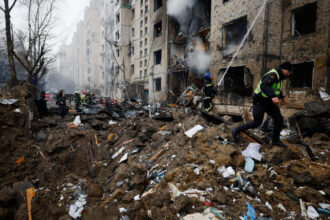
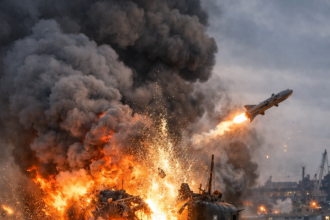
Middle East, March 23, 2026 (Brussels Morning Newspaper) The sharp rise in energy infrastructure attacks is pushing regional tensions toward a dangerous tipping point, as governments scramble to secure critical systems that power entire nations. What once remained a secondary concern in warfare has now become a central battlefield, where targeting electricity and energy networks can destabilize economies and civilian life within hours.
Across the Middle East, strategic strikes, cyber intrusions, and sabotage efforts are increasingly aimed at power plants, substations, and transmission networks. These developments are not isolated incidents. They represent a broader shift in military doctrine where infrastructure disruption is used to gain leverage without immediately escalating into full scale war.
Energy Systems Now Central to Modern Conflict
In 2026, energy systems have become one of the most valuable and vulnerable assets in any nation. The growing number of energy infrastructure attacks highlights the evolving nature of conflict, where electricity supply chains are treated as strategic targets.
Electricity powers hospitals, communication networks, defense systems, and industrial production. When these systems are disrupted, the impact is immediate and widespread. Entire cities can be plunged into darkness, affecting millions of people and crippling economic activity.
This shift in warfare reflects a deeper understanding of modern dependencies. Instead of engaging directly with military forces, adversaries can weaken a nation by targeting the systems that sustain daily life.
Escalation Patterns Emerging Across the Region
The Middle East has witnessed a surge in coordinated actions targeting energy assets. Analysts tracking the situation note that energy infrastructure attacks are becoming more frequent, more sophisticated, and more strategic.
These incidents include physical strikes on facilities, drone incursions, and cyber operations designed to disrupt control systems. Each attack sends a message, signaling both capability and intent.
The pattern of escalation is particularly concerning because it creates a cycle of retaliation. One attack often leads to another, increasing the likelihood of a broader conflict. The lack of clear attribution in many cases adds to the uncertainty, making diplomatic solutions more difficult to achieve.
Cyber Warfare Redefining the Battlefield
Cyber warfare is playing a critical role in the rise of energy infrastructure attacks. Unlike traditional military operations, cyber attacks can be conducted remotely, with minimal risk to those carrying them out.
Hackers can infiltrate energy management systems, manipulate data, and cause equipment failures. In some cases, these attacks can lead to physical damage, shutting down power plants or disrupting entire grids.
The complexity of cyber warfare also makes it difficult to determine responsibility. This ambiguity increases the risk of miscalculation, as nations may respond based on suspicion rather than confirmed evidence.

Global Markets React to Rising Risks
The economic impact of energy infrastructure attacks extends far beyond the Middle East. Global energy markets are highly sensitive to disruptions, and even the perception of risk can lead to price volatility.
Oil and gas prices have shown signs of instability as tensions rise. Investors are closely monitoring developments, aware that any significant disruption to energy supply could have far reaching consequences.
Countries that depend on energy imports are particularly vulnerable. Increased costs can lead to inflation, affecting everything from transportation to food prices. This interconnectedness highlights the global significance of what might otherwise seem like regional events.
Civilian Consequences and Humanitarian Concerns
The human cost of energy infrastructure attacks is often overlooked, but it is significant. When power systems fail, essential services are disrupted, putting lives at risk.
Hospitals rely on electricity to operate life saving equipment. Water treatment facilities need power to provide clean drinking water. Communication networks depend on stable energy supply to function effectively.
In areas where infrastructure is already fragile, the impact can be devastating. Prolonged outages can lead to humanitarian crises, affecting millions of people and straining international aid resources.
Strategic Messaging Behind Targeting Energy Systems
Military strategists view energy infrastructure attacks as a powerful tool for signaling intent. These actions demonstrate capability and can influence political decision making without direct confrontation.
By targeting energy systems, nations can apply pressure on their adversaries, forcing them to respond while avoiding immediate escalation into full scale conflict. This approach allows for a level of control, but it also carries significant risks.
The psychological impact of these attacks should not be underestimated. The uncertainty they create can undermine public confidence and increase pressure on governments to act.
Diplomatic Efforts Struggle to Keep Pace
As tensions escalate, international leaders are calling for restraint. The rise of energy infrastructure attacks has prompted urgent discussions at global forums, with many emphasizing the need to protect critical infrastructure.
Diplomatic efforts are focused on preventing further escalation and establishing norms around the conduct of warfare. However, achieving consensus is challenging, particularly when multiple parties have competing interests.
Despite these difficulties, there is a growing recognition that unchecked escalation could lead to catastrophic consequences for the entire region.
Historical Perspective on Infrastructure Warfare
The use of infrastructure as a target in conflict is not new. However, the scale and sophistication of energy infrastructure attacks in 2026 represent a significant evolution.
In previous conflicts, infrastructure damage was often a byproduct of broader military operations. Today, it is a deliberate strategy. Advances in technology have made it easier to identify vulnerabilities and exploit them with precision.
This shift reflects a broader trend in warfare, where the focus is on disrupting systems rather than engaging directly with enemy forces. The implications of this approach are profound, particularly in a world that is increasingly dependent on interconnected networks.
Multiple Voices Warning of Escalation
“Energy systems have become the silent front line of modern warfare,”
said a senior geopolitical analyst.
“Disrupting power is one of the fastest ways to destabilize a nation without firing a single conventional shot,”
noted an international security expert.
“If these attacks continue, the risk of a wider regional conflict becomes increasingly difficult to avoid,” warned a policy advisor familiar with the situation.
Defensive Measures and Security Challenges
In response to the growing threat, governments are investing heavily in protecting their energy infrastructure. The increase in energy infrastructure attacks has accelerated efforts to strengthen both physical and cyber defenses.
Security measures include enhanced surveillance, fortified facilities, and advanced cybersecurity protocols. Collaboration between governments and private sector operators is also becoming more common.
However, the evolving nature of threats means that no system can be completely secure. Attackers are constantly developing new methods, forcing defenders to adapt in real time.
Global Ripple Effects Beyond the Region
The impact of energy infrastructure attacks is not confined to the Middle East. Disruptions in energy supply can have cascading effects across global markets and supply chains.
Manufacturing, transportation, and even agriculture depend on stable energy systems. When these systems are disrupted, the consequences can be felt worldwide.
Countries are increasingly aware of these risks and are taking steps to diversify their energy sources. However, reducing dependence on vulnerable systems is a long term challenge.
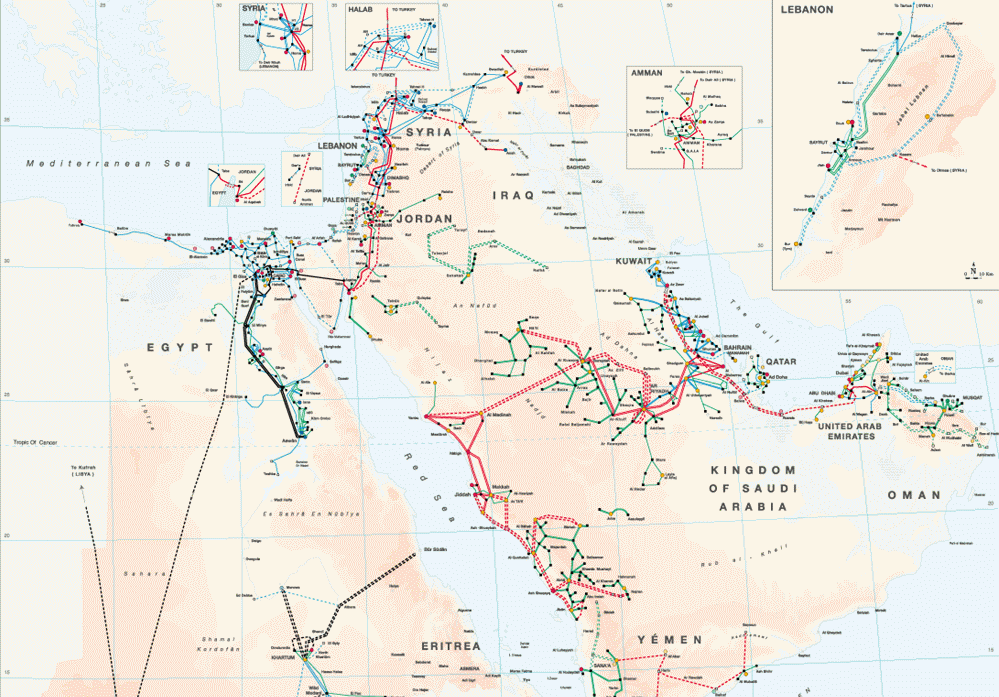
The Fragile Line Between Pressure and War
As the situation continues to evolve, the rise of energy infrastructure attacks presents a critical challenge for global stability. What begins as a strategic move can quickly escalate into a broader conflict.
The line between applying pressure and triggering war is becoming increasingly thin. Each new incident adds to the tension, bringing the region closer to a potential breaking point.
Leaders face difficult decisions as they balance the need for security with the risks of escalation. The outcome of these decisions will shape the future of the region and potentially the world.
A Future Defined by Energy Security Risks
Looking ahead, the role of energy infrastructure in global security is likely to grow. The continued rise of energy infrastructure attacks underscores the importance of protecting these critical systems.
Technological advancements will play a key role in both attack and defense strategies. As nations invest in new capabilities, the nature of conflict will continue to evolve.
Ultimately, the challenge will be to find a balance between security and stability. Preventing escalation will require cooperation, innovation, and a commitment to addressing the root causes of conflict.