
Washington, March 22, 2026 (Brussels Morning Newspaper) Energy security crisis concerns are escalating rapidly in Washington USA on March 22 2026, as geopolitical tensions surrounding the Strait of Hormuz trigger fears of widespread disruption to global oil supply chains. Governments, financial institutions, and energy analysts are closely monitoring developments that could reshape international energy markets and economic stability.
The situation has already begun influencing oil prices, shipping operations, and diplomatic relations. The unfolding energy security crisis reflects a fragile global system where even the threat of instability can ripple across continents within hours.
A fragile chokepoint controlling global energy flows
The Strait of Hormuz stands as one of the most strategically important waterways in the world. Nearly 20 percent of global oil shipments pass through this narrow channel daily, making it a critical lifeline for energy dependent economies.
The growing energy security crisis highlights the vulnerability of this chokepoint. Any disruption, whether through military escalation or strategic threats, can instantly impact supply levels and trigger price volatility.
Energy analysts emphasize that the global economy has little margin for error when it comes to maintaining uninterrupted flows through this region. A single disruption could create cascading effects across multiple industries.
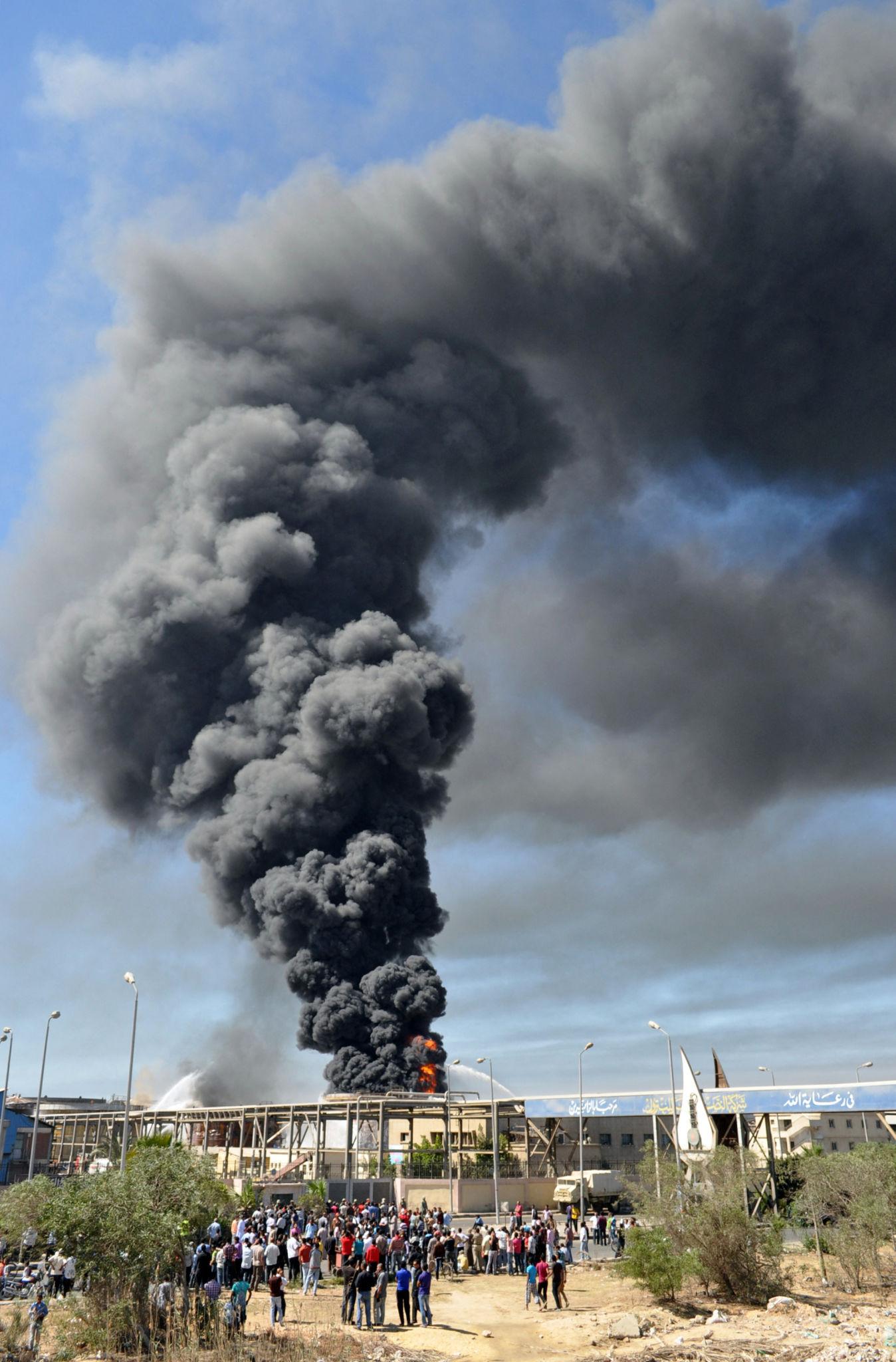
Financial markets respond with volatility and caution
Global financial markets have reacted sharply to the rising tensions. Oil futures have fluctuated as traders assess the risk of supply disruptions tied to the evolving situation.
The energy security crisis has become a dominant factor influencing investor behavior. Commodity markets, stock exchanges, and currency valuations are all responding to uncertainty.
One senior analyst stated,
“Markets do not wait for disruption to happen. The perception of risk alone can drive dramatic shifts in pricing and investment decisions.”
This reaction underscores how sensitive global markets are to developments in energy producing regions.
Military positioning signals heightened risk
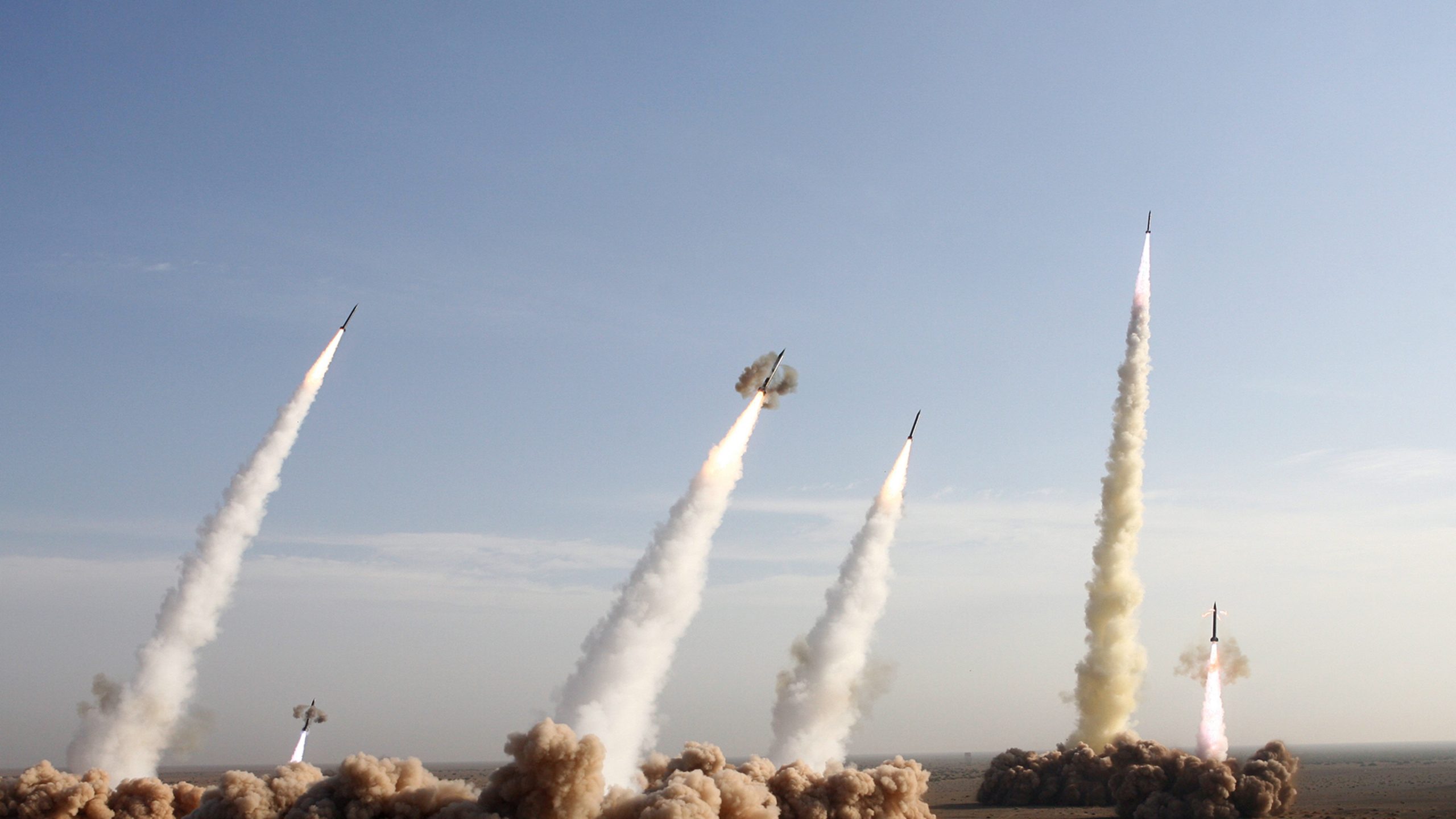
The increase in military presence across the Gulf region has added another layer of complexity to the situation. Naval deployments, surveillance operations, and strategic positioning have intensified in recent days.
The energy security crisis is now intertwined with military strategy, raising concerns about potential miscalculations. When multiple forces operate in close proximity, the chances of unintended escalation increase significantly.
Defense experts warn that even small incidents can escalate quickly in such environments, making stability more difficult to maintain.
Supply chains face mounting pressure
Global supply chains rely heavily on stable energy flows. The current energy security crisis threatens to disrupt these systems, potentially leading to shortages, delays, and increased costs.
Energy importing nations are particularly vulnerable. Many countries depend on oil transported through the Strait of Hormuz to sustain their economies.
Governments are now exploring contingency plans, including strategic reserves and alternative routes, to mitigate potential disruptions. However, these measures may only provide temporary relief if the situation worsens.
Diplomatic efforts intensify amid rising tensions
Behind the scenes, diplomatic channels are actively working to de escalate the situation. International leaders are emphasizing the need for dialogue and cooperation to prevent further escalation.
The energy security crisis has become a central topic in global discussions, with calls for restraint growing louder. Multilateral organizations are also urging all parties to avoid actions that could destabilize energy markets.
A senior diplomat remarked,
“Stability in energy markets is not just a regional concern. It is a global necessity.”
Economic consequences extend far beyond oil
The implications of the energy security crisis reach beyond the energy sector. Rising fuel costs can contribute to inflation, affecting consumers and businesses alike.
Industries such as transportation, manufacturing, and aviation are particularly sensitive to changes in energy prices. Increased costs in these sectors can lead to higher prices for goods and services.
Financial markets are also adjusting to the evolving risk environment. Investors are seeking safer assets as uncertainty continues to grow.
Humanitarian concerns and infrastructure risks
Energy infrastructure plays a critical role in modern society. The energy security crisis raises concerns about the potential impact on civilian systems such as healthcare, communication, and water supply.
Disruptions to energy infrastructure could have immediate consequences for millions of people. Hospitals, emergency services, and essential utilities all depend on reliable power.
Humanitarian organizations are closely monitoring the situation, warning that instability could exacerbate existing challenges in the region.
Historical perspective on energy driven conflicts
History provides valuable insights into the risks associated with energy related tensions. Previous disruptions in key oil regions have led to significant economic and political consequences.
The current energy security crisis echoes past events where supply shocks triggered global instability. These experiences highlight the importance of strategic planning and international cooperation.
Lessons from history suggest that early intervention and diplomatic engagement can play a crucial role in preventing escalation.
Leadership decisions under intense global scrutiny
World leaders are facing increasing pressure to manage the situation effectively. The energy security crisis has become a test of leadership, requiring careful decision making and coordination.
Public confidence depends on clear communication and decisive action. Governments must balance national interests with the need for global stability.
The choices made in the coming days will likely shape the trajectory of the crisis and its long term impact.
Investor confidence shaken across global markets
Investor sentiment has been affected by the ongoing developments. The energy security crisis has introduced a level of uncertainty that is influencing investment strategies worldwide.
Oil traders are closely watching supply indicators, while stock markets are reacting to potential economic impacts. The situation has led to cautious behavior among investors.
This environment highlights the importance of stability in maintaining confidence and supporting economic growth.
A defining moment for global energy stability and future direction
The unfolding energy security crisis represents a critical moment in global geopolitics. It underscores the interconnected nature of energy systems, economic stability, and international relations.
As the situation continues to evolve, the importance of cooperation and strategic planning becomes increasingly clear. The world is watching closely as leaders navigate one of the most complex challenges of the modern era.
The outcome will not only determine energy stability but also shape the broader geopolitical landscape for years to come.